Imagine walking through the misty streets of San Francisco or hiking the rugged Sierra Nevada, spotting someone wearing iconic yellow Timberland boots. They don’t just say style—they tell a story. A story that begins not in the United States, but across the ocean in Odessa, in a bustling, sunlit port city on the Black Sea. This is the story of Nathan Swartz, the man who turned shoemaking into an American legend.

Roots in Odessa
Nathan Swartz was born in 1902, into a family of shoemakers. He was the fourth generation, learning from his father how to stitch, shape, and mold leather into durable footwear. From an early age, he saw shoes not just as objects, but as tools connecting people to the roads they walk—whether crowded city streets or dusty rural paths.
But life in Europe was becoming unstable. Wars, political unrest, and anti-Semitic policies pushed the family to seek a new life in America. Nathan arrived in Boston as a teenager, speaking little English and carrying only the knowledge passed down through generations of shoemakers.
Learning the Craft, Dreaming Bigger
In Boston, Nathan began working long hours as an apprentice in a shoe factory. He mastered every step of the process, from hand-stitching leather to understanding how footwear could withstand tough working conditions. But he didn’t just see shoes as tools—he saw them as opportunities. Nathan dreamed of creating shoes that could last, shoes that could survive rain, mud, snow, and every obstacle a person might face.
He watched the factory work, noticing inefficiencies and weaknesses. Nathan understood that traditional craftsmanship alone wouldn’t cut it. The future belonged to innovation—finding ways to improve durability without sacrificing comfort.
The Big Leap: Abington Shoe Company
By 1952, Nathan was ready. He purchased 50% of a small factory called Abington Shoe Company in Massachusetts. The company was struggling, producing basic work shoes that couldn’t compete with larger brands. Three years later, Nathan acquired the remaining shares, becoming the sole owner.
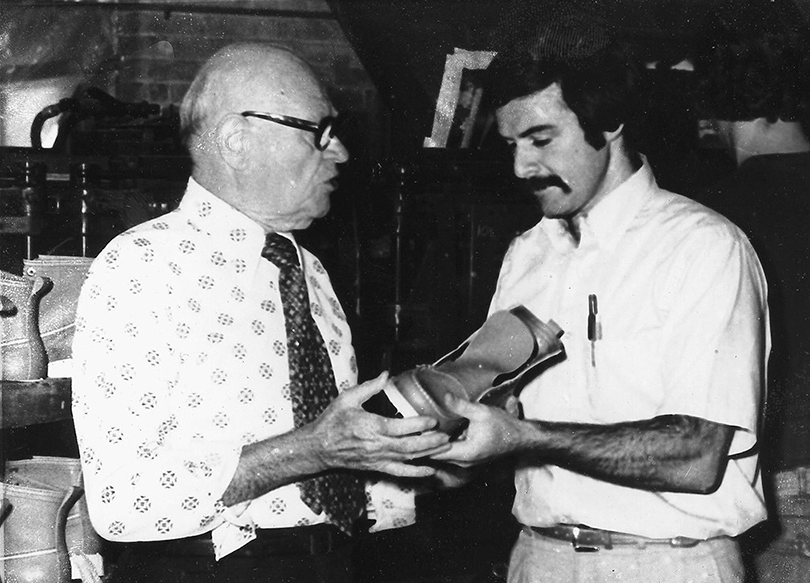
Rather than expanding rapidly, he built a family business, involving his sons Herman and Sidney. Together, they set out to solve one persistent problem: making shoes that were truly waterproof, durable, and built to last.
A Breakthrough in Footwear
The Swartz family experimented with countless methods, driven by Nathan’s hands-on approach. The breakthrough came in the early 1970s: a seamless connection between the rubber sole and leather upper, reinforced with triple stitching. The result? Boots that could take on rain, mud, snow—without letting a single drop in.
In 1973, they released the first model under a new name: Timberland. The boots were bright yellow, rugged, and stamped with the oak tree logo—a symbol of resilience, strength, and rootedness. These boots weren’t just shoes; they were a statement.
Timberland Becomes a Cultural Icon
Initially, Timberlands were tools for workers, hikers, and climbers—people who needed boots that could endure extreme conditions. But soon, the boots walked off construction sites and trails and onto the streets of New York and beyond.
By the 1980s, Timberlands had become a symbol of street culture. Hip-hop artists, students, and urban explorers embraced them. The boots represented independence, toughness, and authenticity. In California, where mountains, beaches, and cities collide, Timberland found a natural home. People who hike, surf, or simply navigate the city streets needed shoes that could handle it all—and look good doing it.
Nathan’s Philosophy: Quality First
Nathan Swartz rarely sought fame. He wasn’t in it for publicity or headlines. His guiding principle was simple:
“Quality is respect for the person who wears your shoes.”
Every stitch mattered. Every material was chosen carefully. Nathan taught his sons that innovation wasn’t just about technology—it was about purpose and durability. Shoes should protect, support, and endure.
Beyond Boots: Timberland Today
Over decades, Timberland grew into more than a boot company. Today, it offers clothing, accessories, and eco-friendly materials, embracing sustainability as a core value. The brand plants trees, recycles materials, and continues Nathan’s vision of creating products that last.
Timberland’s boots still carry the same DNA: rugged, stylish, and built for life. Whether walking a trail in Northern California, navigating a rainy San Francisco street, or making a fashion statement in Los Angeles, Timberland boots are a testament to what happens when craftsmanship meets vision.
Why This Story Matters in California
For Californians, the Timberland story resonates on multiple levels:
- Outdoor lifestyle: Hiking, camping, surfing, and urban exploration demand footwear that can handle anything. Timberlands deliver.
- Cultural authenticity: A boot rooted in real work, real innovation, and real history fits perfectly with California’s diverse, creative communities.
- Sustainability and responsibility: The state’s eco-conscious mindset aligns with Timberland’s commitment to the environment.
Nathan Swartz’s story is not just about shoes. It’s a tale of immigrant ingenuity, persistence, and the American dream. From a small workshop in Boston to the streets and trails of California, his vision changed the way people see and wear footwear.
The Legacy
Even decades after Nathan retired in 1968, his philosophy drives the brand. His sons and grandchildren carried forward his mission: durability, style, and respect for the wearer. Timberland boots aren’t just a product—they’re a legacy.
Every pair is a step through history, through craftsmanship, through innovation. They remind us that hard work, vision, and care can turn something ordinary—like a work boot—into an icon recognized around the world.