Once, driverless trucks rolling down U.S. highways seemed like something out of a sci-fi movie. Today, that future is arriving — right on the roads of Texas, Arizona, and California.
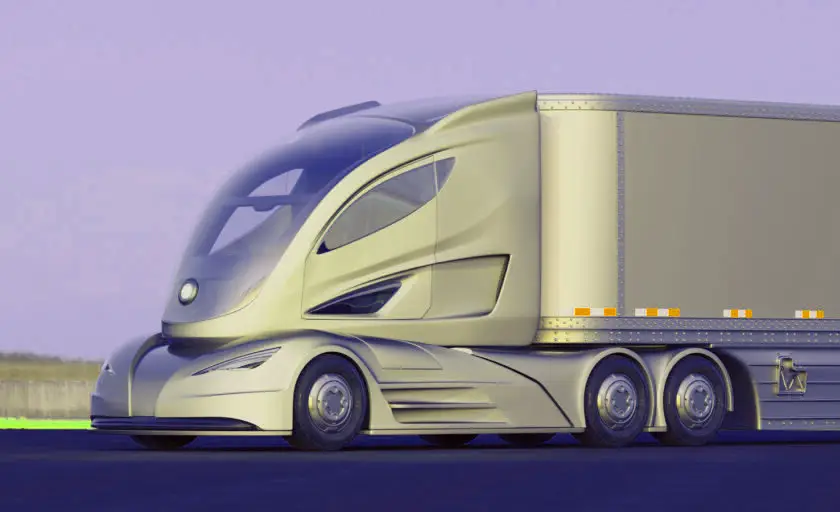
By 2027, self-driving trucks won’t be rare. They’ll be part of everyday traffic, quietly moving goods across the country without anyone at the wheel. Major companies are gearing up for fleets of autonomous haulers ready to revolutionize shipping as we know it.
Trucks That Never Sleep
The biggest advantage? They never get tired. No coffee breaks, no distracted texting, no missed shifts.
These robotic trucks can operate around the clock, saving logistics companies billions of dollars each year. Equipped with high-resolution cameras, radars, and lidar sensors, they see farther and clearer than any human driver could.
Goldman Sachs predicts 20,000 autonomous trucks on U.S. roads by 2027, growing to hundreds of thousands by 2030. Their goal: solve the driver shortage and make deliveries faster and cheaper.
The Innovators Behind the Wheel
Companies like Aurora, Kodiak Robotics, Gatik, and TuSimple are at the forefront. Their trucks already travel hundreds of miles autonomously, predicting other drivers’ moves, responding to weather, and making split-second decisions with machine precision.
These trucks aren’t just vehicles — they’re mobile supercomputers, powered by AI trained on millions of real and simulated miles.
California: Where the Future Takes Shape
California, especially Silicon Valley, has become the testing ground for this revolution. Engineers and investors are building the technologies that will define the next era of transportation.
On highways between Los Angeles and Phoenix, self-driving convoys move in sync, sharing real-time data on speed, traffic, and weather. Together, they make smarter decisions than any solo driver could.
Big Companies Are Joining In
Walmart, FedEx, and Uber Freight aren’t waiting. They’ve partnered with autonomous trucking developers to test routes between distribution centers — mostly at night when roads are quieter.
The result? Fewer delays, lower costs, less human error, and safer roads. Efficiency on wheels.
What About the Drivers?
There’s excitement — but also concern. Labor unions warn tens of thousands of truck drivers could lose jobs as automation spreads.
For many, trucking is more than a job; it’s a lifestyle, a symbol of freedom on the open road. The idea of machines replacing them feels personal.
Experts say this shift won’t eliminate jobs entirely. It will create new roles: AI supervisors, remote operators, cybersecurity specialists, and engineers maintaining autonomous fleets. The industry isn’t disappearing — it’s evolving.
Safer Than Humans?
Safety is the biggest selling point. Human error causes 94% of crashes. Machines don’t get distracted, don’t fall asleep, and obey traffic laws flawlessly.
With sensors that detect obstacles hundreds of feet ahead — even in fog, rain, or darkness — autonomous trucks react in milliseconds. Every mile they drive makes them smarter, avoiding mistakes humans make every day.
Roads Are Evolving Too
Infrastructure is adapting. Highways in Texas and California now feature V2X sensors, allowing trucks to communicate with traffic systems, other vehicles, and weather networks.
Nevada and Arizona have legalized fully driverless truck operations, and in 2025, the U.S. Department of Transportation will update national safety standards to match this new reality.
A Billion-Dollar Transformation
Automation could save U.S. logistics up to $300 billion a year by reducing labor, fuel, insurance, and accident costs.
For California, it’s more than efficiency — it’s opportunity. Thousands of new tech jobs will emerge in AI, robotics, data analysis, and cybersecurity.
“This is more than transportation,” says a Stanford economist. “It’s a new industrial revolution, merging digital intelligence with the open road.”
The Cost of Progress
Big questions remain: Who’s liable if a self-driving truck crashes? How do we protect sensitive data? Can machines make ethical decisions in emergencies?
Debates are just starting. But one thing is clear — there’s no turning back. Technology is moving forward, whether we’re ready or not.
The Road Ahead
America is entering a new era: trucks no longer need drivers, highways become digital networks, and AI is taking the wheel.
This isn’t just about machines. It’s about the next chapter of American progress. “On autopilot” is no longer a metaphor — it’s our reality.
Self-driving trucks are here, and in their rearview mirror, the past is fading fast. The nation is racing toward the future — and there’s no stopping it.