Most laws do not arrive with fireworks. They do not announce themselves with loud sirens or dramatic headlines. Instead, they quietly slip into daily routines. You notice them at the grocery checkout. On your commute. At the pharmacy counter. While scrolling online. Or when helping your child apply to college.
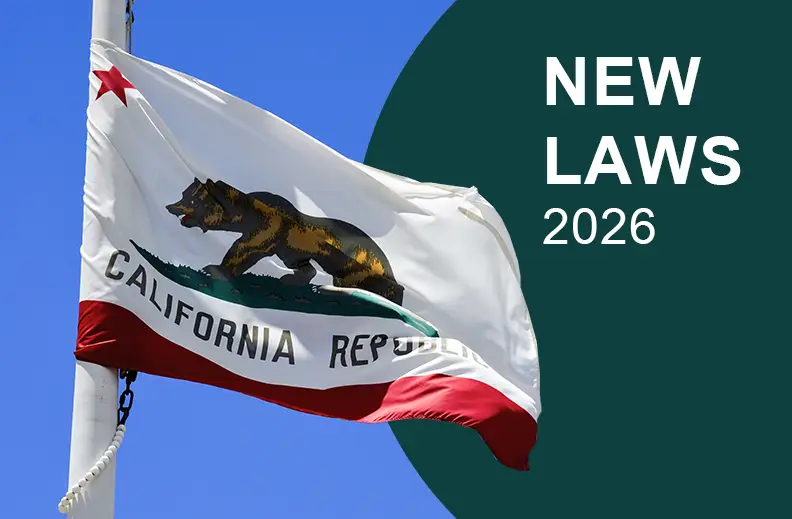
That is exactly how California’s new 2026 laws are entering people’s lives.
California has long been known as the place where the future shows up early. Environmental rules. Technology policy. Healthcare experiments. Education reform. What starts here often spreads far beyond state lines. That is why the laws taking effect in 2026 are being watched so closely across the country.
On paper, the changes may look technical or disconnected. A tougher plastic bag ban. Updated rules for electric bikes. New limits on insulin prices. A reworked admissions system for Cal State universities. Mandatory labels for AI generated content.
In real life, they are deeply personal.
The End of the Plastic Bag Era Feels Closer Than Ever
For years, Californians have been slowly adjusting to life with fewer plastic bags. The 2026 laws push that transition further. Single use plastic bags are disappearing from more stores and more situations than ever before.
Supporters see this as common sense. Plastic waste clogs oceans, harms wildlife, and lingers for generations. Critics say the rules add friction to everyday errands and shift costs onto consumers.
But beneath the arguments is something bigger. California is trying to change behavior, not just packaging. The state is betting that small inconveniences today will create long term environmental habits tomorrow.
Whether people love or hate the change, one thing is clear. The way Californians shop is continuing to evolve, and there is no turning back.
Electric Bikes Grow Up And Get Regulated
Electric bikes exploded in popularity almost overnight. They offered speed without traffic. Freedom without gas. Convenience without parking headaches. For many Californians, e bikes became a lifestyle upgrade.
But as streets filled with faster and heavier bikes, concerns followed. Pedestrians felt unsafe. Parents worried about young riders. Cities struggled to keep sidewalks and bike lanes orderly.
The new 2026 regulations are California’s attempt to catch up with reality. E bikes are more clearly classified. Age limits are enforced more strictly. Certain models face restrictions on where they can be used.
Supporters say the rules bring much needed clarity and safety. Critics worry innovation is being slowed by overregulation. The debate mirrors a familiar California pattern enthusiasm first, guardrails later.
Insulin Becomes More Affordable And the Stakes Are High
Few issues feel as urgent as healthcare costs. For thousands of Californians, insulin prices have long been a source of anxiety and hardship. People rationed doses. Families went into debt. Some skipped treatment altogether.
The 2026 law placing firm limits on insulin prices represents one of the most emotionally charged reforms. To patients, it feels like relief long overdue. To advocates, it is proof that states can intervene when the system fails.
Pharmaceutical companies warn that price controls could discourage research and innovation. California lawmakers counter that no innovation justifies making lifesaving medicine unaffordable.
This law does more than lower prices. It challenges the idea that access to essential care should depend on income.
College Admissions Are Being Redefined
Few topics stir as much anxiety as college admissions. For years, families planned around test scores, rankings, and narrow definitions of success.
The Cal State system is now moving in a different direction. The updated admissions approach places less emphasis on standardized tests and more weight on a student’s overall story. Academic performance still matters, but so do life circumstances, obstacles overcome, and achievements beyond exams.
Supporters believe this will open doors for students who were previously overlooked. Critics worry it could dilute academic rigor.
What is really being debated is not just admissions policy but values. Who deserves opportunity. How merit is defined. And whether education should level the playing field or reward only those already ahead.
Artificial Intelligence Steps Into the Light
Artificial intelligence is no longer a futuristic concept. It writes articles. Generates images. Creates videos that look real enough to fool millions.
As AI content floods the internet, trust has become fragile. What is real. What is fake. Who is responsible.
California’s 2026 law requiring certain AI generated content to be labeled is a direct response to that uncertainty. Political ads, commercial content, and some media must disclose when machines are involved.
Technology companies argue that enforcement will be complicated and imperfect. Journalists and researchers say transparency is essential in a world where reality itself can be simulated.
This law is less about technology and more about trust. California is signaling that the digital future must come with accountability.
Why These Laws Matter Beyond California
Taken one by one, each law addresses a specific problem. Together, they form a clear pattern.
California is strengthening environmental standards. Regulating emerging technology. Expanding consumer protections. Rethinking education access. Taking a stronger role in healthcare pricing.
That combination sends a message. The state is willing to challenge powerful industries and reshape markets in the name of public interest.
For the rest of the country, California often acts as a preview. Businesses adapt here first. Other states watch the results. Federal debates follow.
2026 Is Not Just a Date It Is a Direction
For Californians, these laws will not feel abstract. They will be felt in reusable bags at checkout counters. On bike paths and sidewalks. In monthly pharmacy bills. In college acceptance letters. And in the content people consume online.
The deeper impact is cultural. These changes ask people to slow down, look closer, and think differently about convenience, fairness, and responsibility.
California has made its move once again. Whether the rest of the country follows remains to be seen. But one thing is certain. Life in 2026 will not look quite the same as it did before. And it starts with the smallest moments.