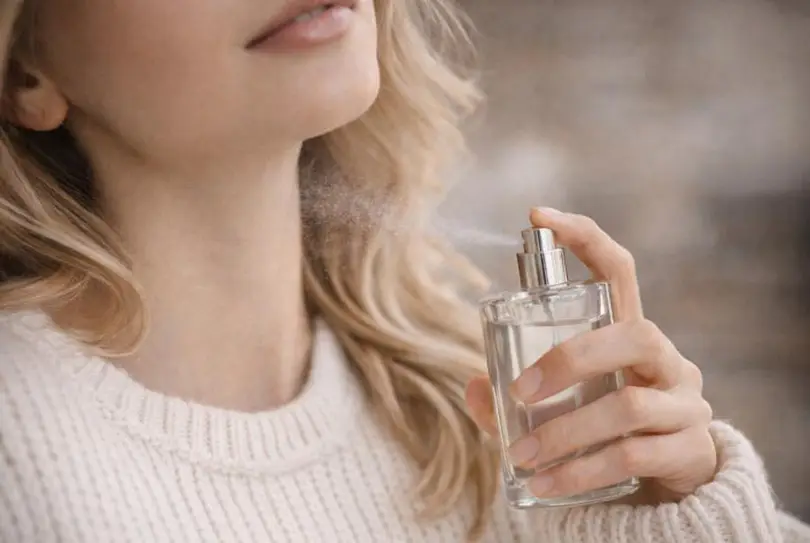
We usually choose perfume with our eyes and emotions. A beautiful bottle, a famous name, a high price, influencer hype. It all makes us feel like we are buying part of our identity. But there is one detail most people ignore, even though it defines the only thing that really matters. How long the scent actually stays with you.
Look closely at the packaging. Almost every fragrance has a short abbreviation. It looks technical and unimportant, but it is actually the most honest thing on the box. It tells you exactly what to expect.
The science is simple. Every perfume is a mix of alcohol, water, and aromatic oils. Those oils are what give a fragrance depth, character, and most importantly longevity. The higher the concentration, the slower it evaporates and the longer it stays on your skin.
This is where it gets interesting.
EDC or Eau de Cologne has only 2 to 5 percent oils. It is light, fresh, and fades quickly. Perfect for hot weather or when you want something subtle. But expecting it to last all day makes no sense. That is physics, not marketing.
EDT or Eau de Toilette contains 5 to 15 percent oils. It is balanced and versatile. This is why it dominates the mass market. It smells noticeable but not overwhelming. Still, it usually lasts just a few hours.
EDP or Eau de Parfum steps it up to 15 to 20 percent. It lasts longer, unfolds in layers, and leaves a more defined trail. Many people see this as the sweet spot for daily wear and evenings.
Extrait or Parfum goes even further, up to 40 percent oils. These scents live on your skin like a story. They evolve, adapt to your body, and can last into the next day. Sometimes even longer on clothes.
From a scientific point of view, it all makes sense. Evaporation depends on the concentration of volatile compounds. Less oil means faster disappearance. More oil means a slower, richer experience.
Here is the real mistake people make.
When a scent fades quickly, they assume it is low quality or fake. In reality, they just picked the wrong concentration. It is like expecting a light summer drink to feel like a strong espresso. The problem is not the product. It is the expectation.
Even price can be misleading. A luxury brand may sell a lighter version, while a more affordable EDP can last much longer. Image often wins over facts.
There is also a personal factor. Skin type, hydration, temperature, even diet can change how a fragrance behaves. But the core rule never changes. Concentration defines performance.
Once you understand this, everything shifts. You stop guessing and start choosing with intention. Light scents for heat. Stronger ones for important moments. Deep perfumes for when you want to be remembered.
In a world where marketing is louder than truth, this small detail gives you control.
Next time you pick up a bottle, do not just look at the design or brand. Look at those three letters. They already tell you how long this scent will stay part of your story.
Because a good choice is not luck. It is knowledge.