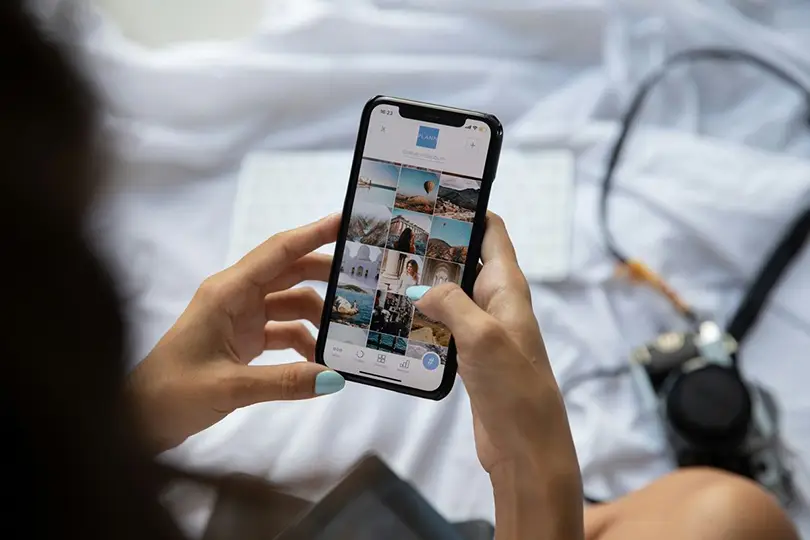
Scroll. Swipe. Next. You do it without thinking. A few seconds here, a quick laugh there, a flash of novelty, a burst of emotion, then another and another. It feels harmless, even relaxing, but under the surface something very real is happening. Your brain is learning. Not new ideas or skills, but a pattern: fast reward, minimal effort, instant novelty, repeat.
This is how dopamine works. It is not just about pleasure, it is about anticipation and reward prediction. When your brain gets used to quick, unpredictable rewards like short videos, it starts to crave them constantly. Each swipe becomes a tiny bet: will the next clip be funnier, more shocking, more satisfying. That uncertainty is what makes it powerful, the same mechanism behind slot machines.
Over time your brain adapts. Neural pathways linked to speed and novelty strengthen, while slower systems weaken, especially those responsible for deep focus, sustained attention, and complex reasoning. This is not speculation. Cognitive science has been observing this for years. Studies show frequent task switching reduces the ability to stay engaged with a single task. It is not just distraction, it is rewiring.
Now look at what happens next. You sit down to read a book and it feels harder than before. You try to focus on work and your mind drifts within minutes. You start a movie and reach for your phone halfway through. It is not that these things became less interesting. Your brain became less tolerant of effort.
Short form content trains your brain to expect stimulation every few seconds. Anything slower begins to feel like boredom, and in a hyperstimulated brain boredom feels almost painful. So you escape it and go back to scrolling. This creates a loop. The more quick content you consume, the less satisfying real life activities feel. The less you engage in deeper experiences, the harder it becomes to return to them.
Eventually something else appears: apathy. Not dramatic at first, just a subtle flattening. Less curiosity, less motivation, less patience. You feel constantly tired but never truly rested, because your brain is busy but not nourished.
Endless scrolling reduces cognitive load in the worst way. It removes effort, reflection, imagination, the very processes that keep your mind sharp. Attention is like a muscle. If you do not use it, it weakens. And here is the uncomfortable truth: this is not an accident. Short form platforms are designed to maximize engagement. Their algorithms learn what keeps you watching and give you more of it, faster, shorter, more intense. You are no longer choosing the pace. The pace is choosing you.
But this is not a hopeless story. The brain is adaptable in both directions. The same neuroplasticity that makes you vulnerable also allows recovery. When you reduce rapid stimuli, your attention starts to rebuild, slowly at first, then stronger. Reading reactivates deep processing. Focused work retrains sustained attention. Allowing boredom gives space for creativity to return.
Boredom is not the enemy, it is the gateway. Moments without stimulation force the brain to generate its own activity. This is where ideas form, memory consolidates, and real thinking begins.
So what can you do without going to extremes. Start small. Watch intentionally instead of endlessly. Set boundaries for scrolling. Replace some short content with long form input like books, podcasts, meaningful conversations. Protect time blocks where your attention is uninterrupted. Most importantly, notice how you feel after 30 minutes of scrolling versus 30 minutes of focused work. The difference becomes obvious once you pay attention.
This is not about fear, it is about awareness. Technology is not destroying your brain, but unconscious use might be. The most valuable skill in the next decade will not be speed, but the ability to stay focused in a world designed to break your attention. So the next time your finger moves to swipe, pause. Not forever, just long enough to choose.