In a world full of confusing health advice, it is rare to see something clear and surprising at the same time. But this is one of those moments.
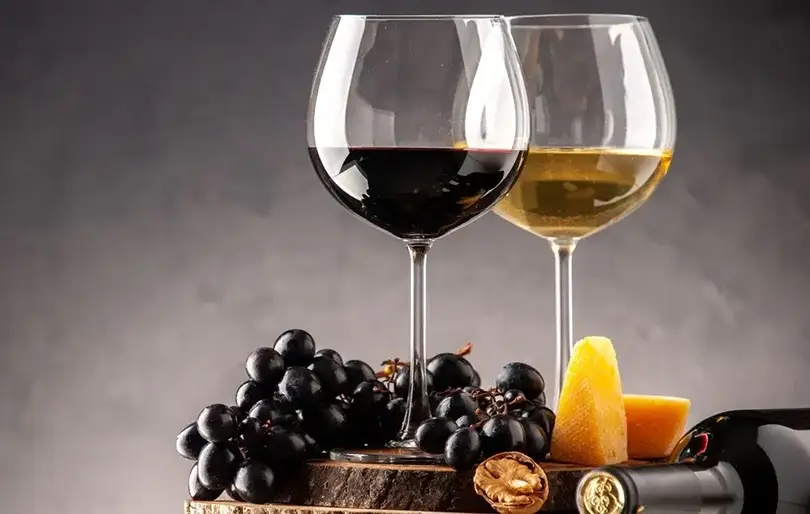
Wine is now at the center of a serious scientific conversation. Not as a luxury or a lifestyle symbol, but as something researchers are studying closely.
A large British study followed more than 340,000 people over 13 years. This was not a short experiment. It was real life, tracked over time. Habits, choices, and outcomes.
The result surprised many people.
Those who drank wine had a 21 percent lower risk of dying from heart disease compared to people who did not drink at all.
Now here is where it gets even more interesting.
People who preferred beer or strong alcohol actually had a 9 percent higher heart risk, even when they drank the same amount of alcohol.
So it is not just about how much you drink. It is also about what you drink and how you drink it.
But the real story goes deeper than numbers.
Researchers noticed something unusual. Wine seems to change behavior.
People who drink wine are more likely to follow a Mediterranean style diet. They eat more vegetables, fish, nuts, and cheese. They eat fewer processed snacks.
This is not random.
Wine is usually part of a meal, not something rushed. It slows things down. It creates a different rhythm. And over time, that rhythm shapes lifestyle.
There is more.
Wine drinkers are less likely to deal with stress by eating fast food. They are more likely to take a walk after dinner. Less screen time, more real life moments.
These patterns matter.
On a biological level, wine also shows interesting effects.
Red wine contains compounds called polyphenols. These have been studied for years. They may help keep blood vessels flexible, reduce inflammation, and support healthy cholesterol levels.
There is also a connection with stress.
Moderate wine consumption has been linked to lower levels of cortisol. This is the main stress hormone in the body. When cortisol stays high for too long, it affects the heart, immune system, and metabolism.
In this sense, a glass of wine can be part of a simple evening ritual that helps you slow down and reset.
But moderation is key.
We are talking about one glass with dinner, not a bottle. Beyond that point, the benefits disappear and the risks grow.
Another important detail is sugar.
Many alcoholic drinks are loaded with it. Cocktails, sweet drinks, even some beers. Dry red wine usually contains less sugar, which makes it a better option for metabolism.
You may have heard about the French paradox.
People in France often eat foods rich in fats, yet they have lower rates of heart disease. One possible reason is regular, moderate wine consumption.
But it is important to stay realistic.
Wine is not magic.
It works as part of a bigger picture. Diet, movement, sleep, stress, and social life all play a role.
This is especially important in the United States, where heart disease remains one of the leading causes of death. Many solutions focus on medicine and technology. But science keeps coming back to daily habits.
Small choices matter.
What you drink with dinner. Whether you go for a walk. What you eat when you are stressed.
Together, these choices shape your long term health.
There is also a social side.
Wine often brings people together. It creates space for conversation and connection. And strong social ties are directly linked to better mental health and longer life.
When people spend time together, stress goes down. Mood improves. Life feels more balanced.
Still, we should stay critical.
Not all scientists fully agree. Some say wine drinkers may already have healthier lifestyles, better income, and better access to healthcare. That can also affect the results.
But even with these factors, one trend remains clear.
Moderate wine consumption, as part of a balanced lifestyle, is linked to lower heart risk compared to other types of alcohol.
This is not a reason to start drinking if you do not drink.
It is a reminder to look at the bigger picture.
Health is not built on one choice. It is built on patterns.
And sometimes, those patterns start with something as simple as a glass of wine, a good meal, and a slow evening.