Why Bogdan Kipko Rejects Small Thinking, And Builds Systems That Help People Grow
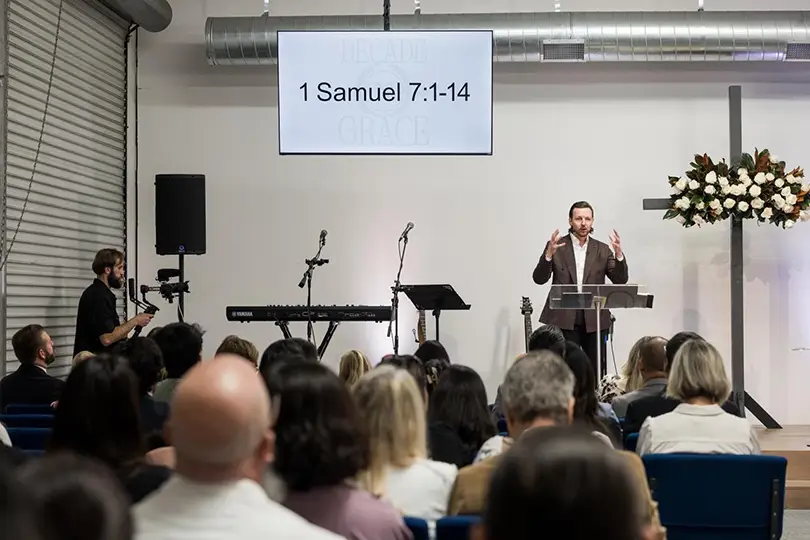
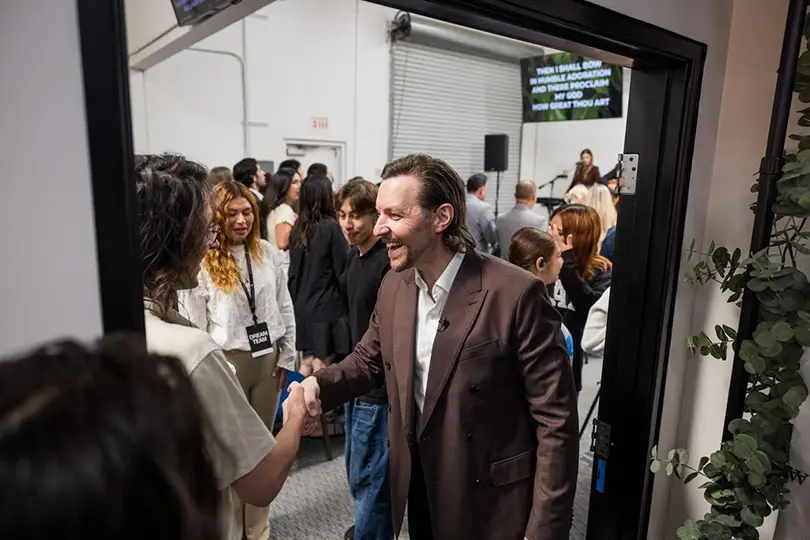
Most people hide behind one identity. Pastor. Entrepreneur. Leader. Bogdan Kipko rejected that model. He planted a church, where the mission is to help people find hope in Jesus. He built a business, then turned it into leverage. And here’s the uncomfortable part: While others debate whether faith and money should mix, he’s quietly helping church planters plant churches across the U.S. and saving business owners six figures a year. So the real question isn’t “Can you do both?” It’s why most people never even try. When we sat down with Bogdan after nearly a decade since our last conversation, the gap wasn’t just time, it was scale. What started as a single project had turned into a network, a system, and a philosophy.
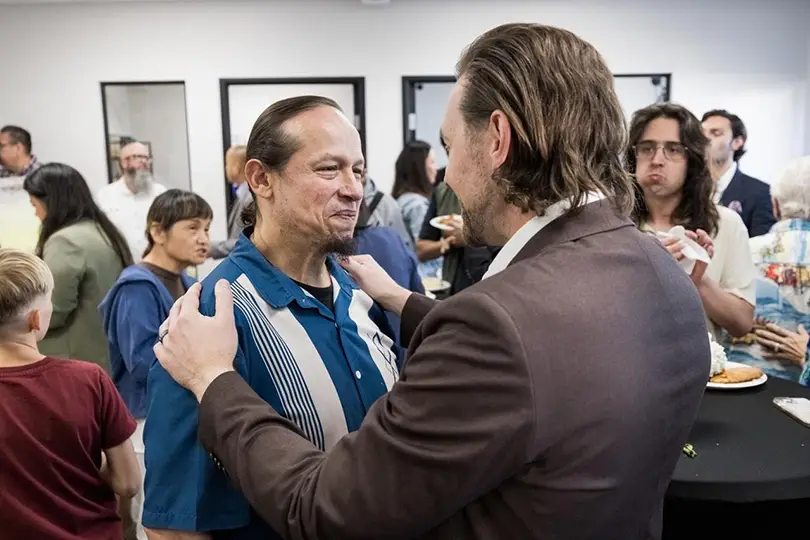
Bogdan, since our last meeting and interview, what actually changed?
Not the polite version. The real one. The real one? I stopped thinking small. In the beginning, it’s survival. You’re just trying not to fail. You take whatever clients you can, you accept whatever systems you’re given, and you don’t question the structure. Now it’s multiplication. If what you build doesn’t reproduce, it’s not growth, it’s maintenance. Whether it’s a church or a business, if it depends on you doing everything manually, you’ve already hit your ceiling. The shift is from effort to systems.
“If what you build doesn’t reproduce, it’s not growth, it’s maintenance.”
Most churches don’t multiply. They barely survive. Why? Because people confuse comfort with calling. In many Slavic churches, starting something new was seen as betrayal. That mindset kills growth. The same thing happens in business. Owners get comfortable with “it works,” even if it’s inefficient and expensive. Once you flip that thinking and start asking, “Where am I losing scale?” everything expands.
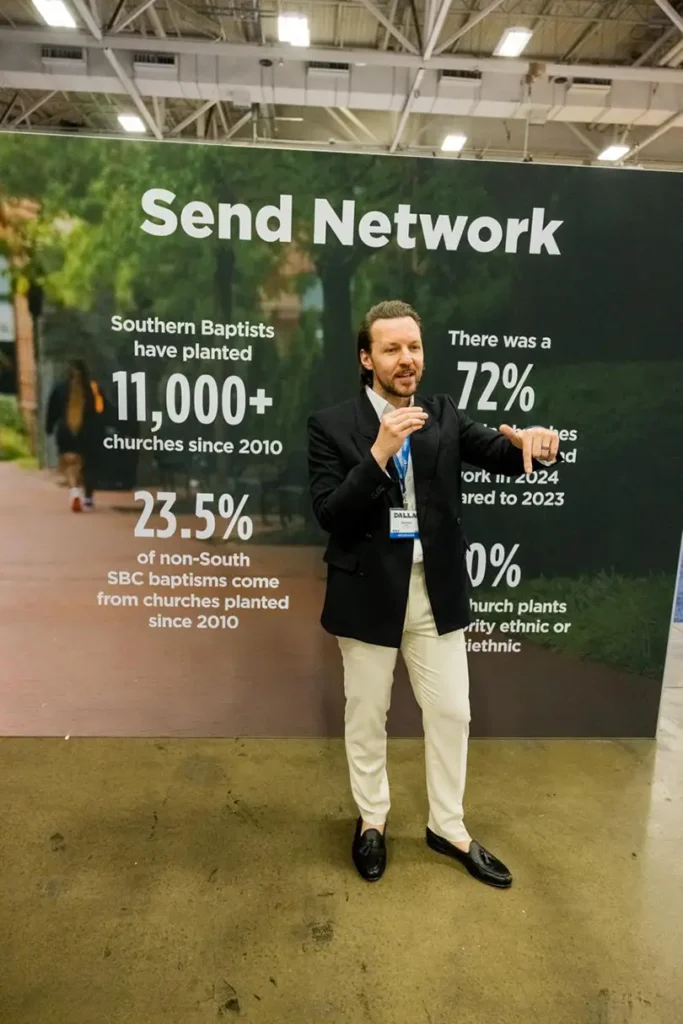
Bogdan, you went from one church to influencing over 100 church planters. That doesn’t happen by accident. It doesn’t. It happens when you stop building for yourself. I saw leaders who had passion but no structure. No system, no support, no roadmap. And that’s exactly what most business owners deal with too. So I built the bridge. Now they don’t have to guess, they execute. And execution always beats intention.
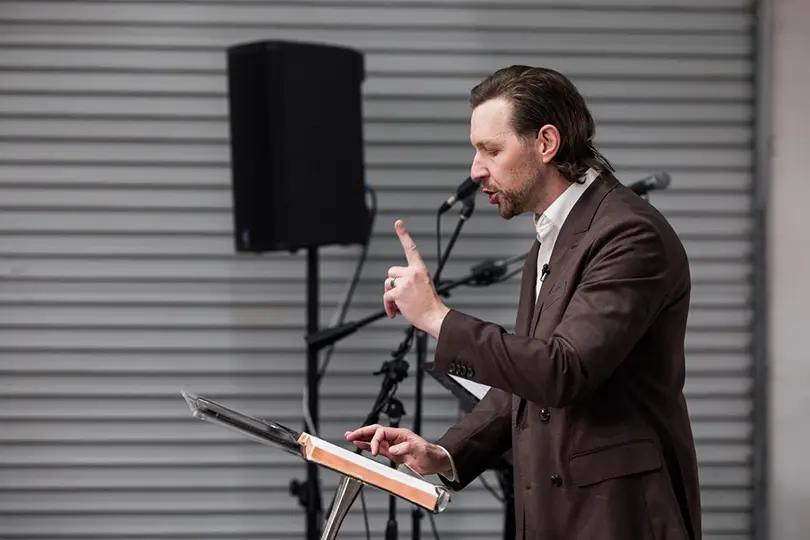
Let’s address the elephant in the room. Pastor and business owner. For many people, that sounds wrong. That’s because people think in boxes. Leadership is leadership. Systems are systems. If you can’t manage people, vision, and execution, it doesn’t matter what title you have. A church without systems collapses. A business without systems leaks money. It’s the same principle.
Still, money and ministry together makes people uncomfortable, and that discomfort usually comes from misunderstanding what Scripture actually teaches. The Bible does not say money is the problem; it says, “the love of money is a root of all kinds of evils” (1 Timothy 6:10). Money itself is morally neutral – it reveals the heart, it doesn’t define it. Money can either be a gift or a god. In the hands of someone undisciplined, it becomes destructive; in the hands of someone faithful, it becomes a tool for impact. Scripture also reminds us, “the earth is the Lord’s, and everything in it” (Psalm 24 24:1), meaning all resources ultimately belong to God and are entrusted to us. The issue is not possession, but devotion – whether money serves you, or you serve it.
From a biblical perspective, there is no contradiction between spiritual leadership and wise stewardship. Paul the Apostle modeled this by engaging in tentmaking while doing ministry, showing that work and calling can coexist (Acts 18:3).
Scripture consistently calls believers to diligence and excellence, saying, “Whatever you do, do it from the heart, as something done for the Lord” (Colossians 3:23). When a leader handles money well, it creates margin—not for indulgence, but for generosity and kingdom advancement. As it is written, “Whoever sows generously will also reap generously” (2 Corinthians 9:6), pointing to the impact of faithful stewardship. A pastor who understands systems, stewardships resources wisely, and leads with integrity is not compromising his calling – he is expanding its reach.
Great points! Let’s go into your business. What are you actually fixing? Waste. Most business owners are bleeding money and don’t even know it. Hidden fees, outdated systems, slow operations. They think that’s just the cost of doing business. It’s not. What I’m really fixing is blindness. A restaurant owner might be doing hundreds of thousands a month and still losing ten thousand or more in processing fees alone. That’s not a small leak, that’s a second location disappearing every year. Then there’s inefficiency. No online ordering, slow checkout, bad POS systems, no integration between front and back of house. They’re busy, but they’re not optimized. So they work harder, not smarter, and they hit a ceiling. And the worst part is, most of them don’t question it. They trust the system they were given. They assume it’s correct. I come in, break everything down line by line, fee by fee, system by system, and show them exactly where they’re losing money. Then we rebuild it so every transaction actually works in their favor. Because the goal isn’t just to save money. It’s to stop the silent loss that’s been happening for years.
Give me a concrete example. A restaurant doing $300,000 a month can lose $10,000 monthly in processing fees. That’s $120,000 a year. That’s a second location, gone. And that’s just processing. Add slow systems, missed orders, long lines, and you’re easily losing another 10 to 20 percent in unrealized revenue. So the real loss isn’t just fees. It’s missed growth.
“The moment you stop questioning your system, you start losing money.”
So your pitch is “save money”? No. That’s the mistake. Saving money is step one. Scaling is the goal. We fix payments, speed up operations, implement better POS systems, integrate ordering, eliminate friction. Suddenly, transactions are faster, customers spend more, and the business runs smoother. Now their problem isn’t survival. It’s capacity. They need more staff, more space, more locations. That’s when you know the system is working.
WHERE BUSINESSES LOSE MONEY: Credit card processing fees Outdated POS systems Slow checkout experience No integration between systems Hidden “junk” fees
What industries are the easiest to fix? The ones with volume and chaos. Restaurants, auto businesses, medical and beauty industry. High transactions, high fees, high inefficiency. They’re busy, but they’re not optimized. And where there’s volume, even small improvements create massive financial impact.

“You’re not losing money because of the market. You’re losing it because you don’t see where it’s going.”
What’s broken in your competitors? They disappear. You sign the contract, and you’re on your own. No explanation, no optimization, no strategy. Just statements you don’t understand. My clients always have my number. Not a ticket system. Not a chatbot. Me. Because when something breaks in payments, you don’t want to wait. You’re losing money every minute.
STOP LOSING $10,000 A MONTH WITHOUT KNOWING IT
I think that when you will start conversation with business owners most of them will say that their Payment System is “Fine.” If your business accepts credit cards, you are paying more than you should. You just don’t see it. That doesn’t scale. It does if you build the right backend. Systems handle operations. Automation handles support. But relationships drive growth. Most companies try to scale by removing the human element. That’s why they lose clients. I scale by strengthening both.
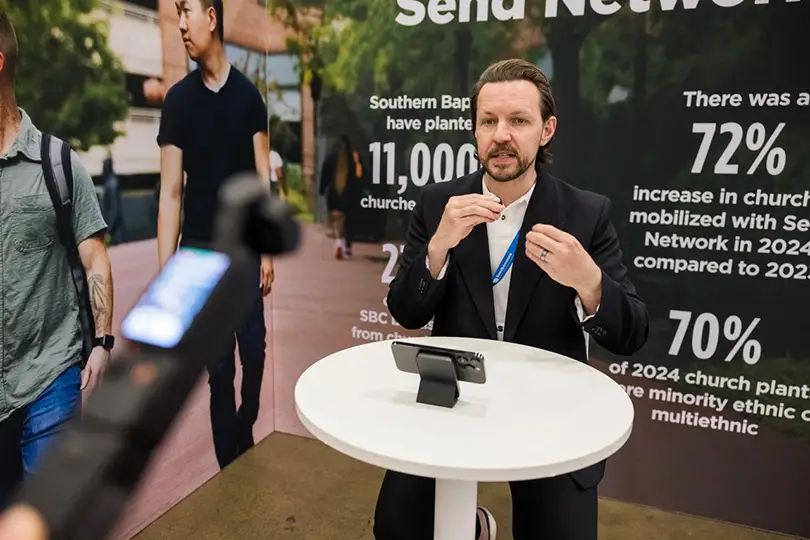
What changes after optimization? Transactions move faster, customers spend more, flow improves instantly, revenue increases, growth forces expansion.
What happens if a business doesn’t actually need you? If they have already great deal? I tell them to keep what they have. And that almost never happens. Because when we actually review the statements, there’s always something hidden. But if they are optimized, I walk away. Short-term deals kill long-term trust. And trust is the real currency in this business.
Who benefits the most from what you do?
Restaurants, auto industry, medical and beauty. Free business review available nationwide.
Why? High volume = high hidden loss.



Final question. What’s the biggest lie people believe right now? That they need more time. They don’t. They need better systems, better visibility, and bigger thinking. Because right now, most business owners are not losing because of the market. They’re losing because they don’t see where the money is going. And the moment you fix that, everything changes.
“Most business owners don’t need more customers. They need better systems.”
FROM PUBLISHERWhat Bogdan Kipko does differently. From my perspective as a publisher working closely with business owners across California, what stands out about Bogdan Kipko is not just the service he provides, but the way he approaches it. He focuses on eliminating unnecessary processing costs that many business owners unknowingly accept as normal. At the same time, he rebuilds payment systems to support speed, efficiency, and long term scale. What makes his work particularly valuable is his ability to identify hidden financial losses line by line, areas most owners never review in detail. His approach is not about short term fixes, but about optimizing the entire structure of how a business operates financially, so it can grow rather than simply sustain itself. What I appreciate most is the level of honesty in his approach. If a business is already well optimized, he will say so directly and recommend keeping the current system. That level of transparency is rare. However, in most cases, once a detailed review is done, there are inefficiencies, unnecessary fees, or missed opportunities that can be improved. For those interested in taking a closer look at their current system, Bogdan Kipko can be reached through his website www.kipko.biz