There is a narrative we have been selling for decades. Go to school. Get a degree. Build a life. Sounds clean. Sounds safe. Sounds completely disconnected from reality.
Martin Ross has spent years inside the system most people only observe from the outside. Education, workforce, policy. He sees where it breaks. Not theoretically. Practically.
This conversation is not about polishing institutions. It is about exposing where they are failing people and what it actually takes to rebuild a system that leads to real outcomes, real income, and real opportunity.
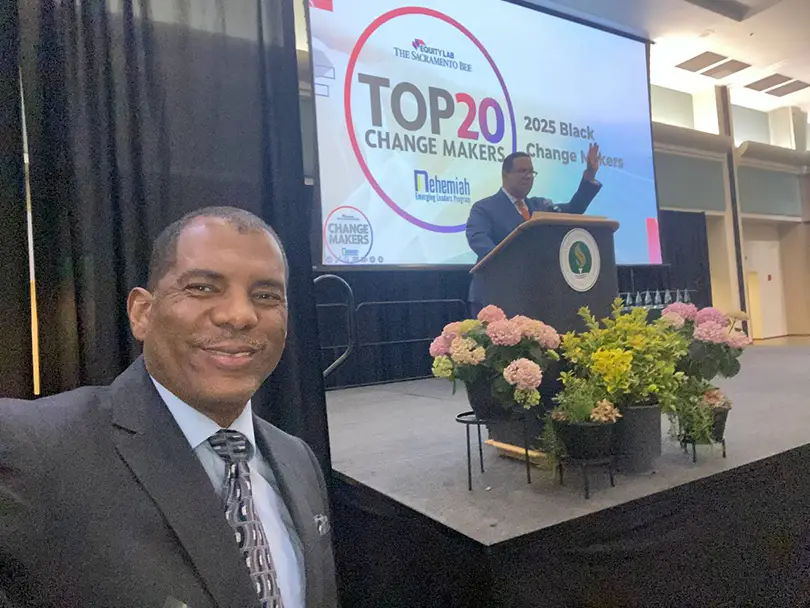
I met with Martin Ross and asked him direct, strategic questions about where the system is failing and what must change if we want real results, not just good intentions.
You’re working at the intersection of education, workforce, and policy. Where do you see the biggest disconnect right now between what institutions promise and what people actually experience?
The biggest disconnect is the belief that education automatically leads to employment. That promise is outdated.
We need to recognize that education comes in multiple forms. Traditional colleges matter, but so do workforce training, apprenticeships, and real work experience. This conversation should start in high school, where students and parents need a clear reality check about what the job market actually looks like.

There is still pressure, especially from school systems and immigrant families, that everyone must go to a four year university. But the real question is whether that path makes sense for each individual. Do you need a traditional degree or could you take dual enrollment, earn college credits early, and transfer at a fraction of the cost.
We also have to be honest about majors that do not lead to jobs. Many students graduate only to realize they need more education just to compete. That is not a system that works.
At the same time, there are entire sectors like trades and manufacturing with massive demand and strong income potential. These careers are more resistant to AI and should be presented with the same level of excitement as university pathways. Let students see all options and make informed choices.
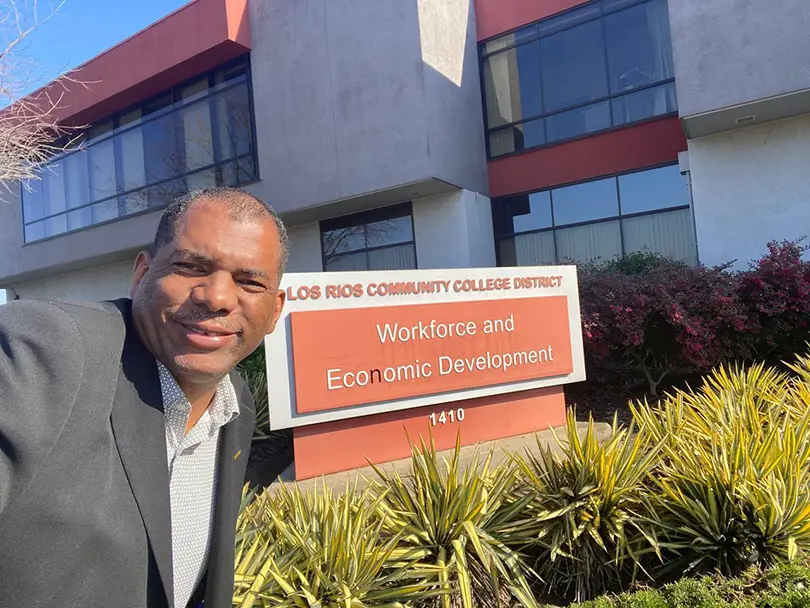
A lot of workforce programs sound good on paper but fail in reality. What is one uncomfortable truth about workforce development that most leaders avoid talking about?
Most leaders avoid talking about soft skills. I call it the Three A’s. Attitude plus Aptitude determines your Altitude.
We can train technical skills, but attitude is much harder to teach. Basic behaviors like communication, respect, and reliability are often missing. Many young people are not developing these habits at home or in school.
Employers consistently say the same thing. They can teach the job, but they need people who are trainable. That starts with mindset, not credentials.
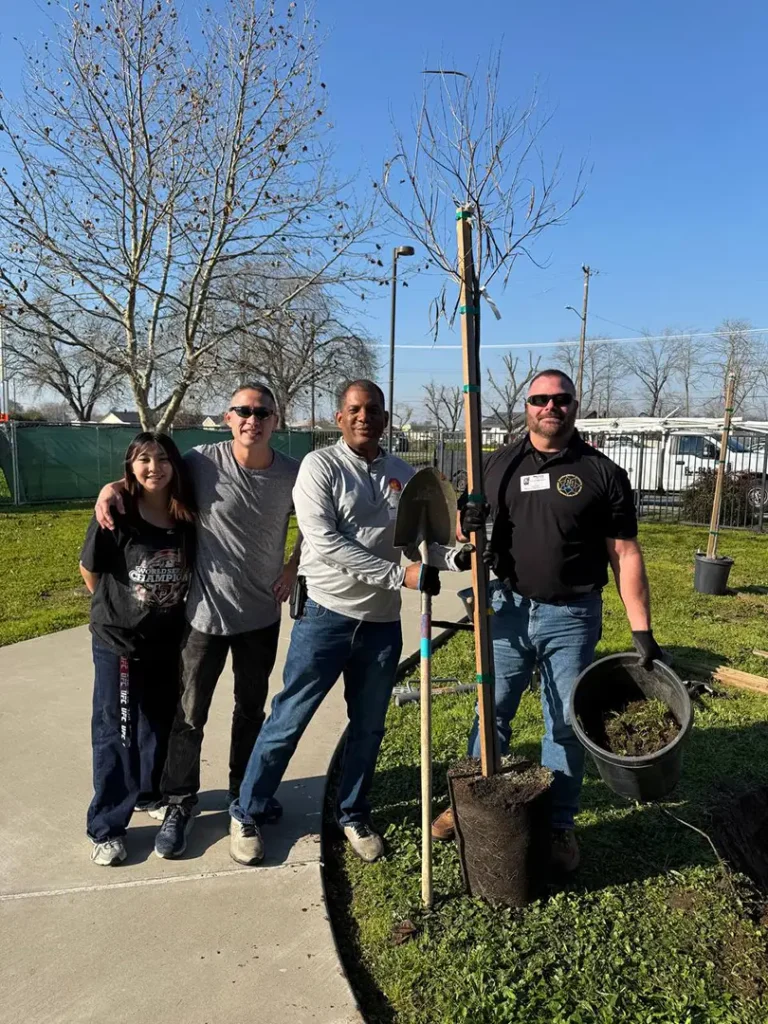
You’re running for Trustee. Be honest. What is broken inside the Los Rios system that needs fixing, not polishing?
The timelines and the structure. Students are often forced into full time enrollment if they want to finish on time. That makes it difficult to earn money while studying, which is a real problem when people are trying to survive.
We need systems that allow students to work and learn at the same time. Apprenticeships, internships, and what I call stacked credentials.
Instead of forcing someone through a rigid path, let them complete one course, connect it to employment, then return for the next step. If each stage is tied to income and experience, motivation increases and outcomes improve.
Right now, too many students feel stuck. That has to change.

How should community colleges evolve if they want to stay relevant in a world where AI is reshaping jobs faster than curriculum can keep up?
AI is already changing the workforce, and it will continue to accelerate. We cannot predict everything, but we can focus on sectors that require human interaction.
Healthcare, government, and skilled trades are all areas with strong demand, especially as older generations retire.
The key is building partnerships that connect education directly to real work experience in these fields. That creates stability and prepares people for jobs that are less vulnerable to automation.
This is the guidance I give my own children, and it is the guidance we should be giving everyone.

Partnerships are your core focus but most partnerships are just logos on a flyer. What does a real high impact partnership actually look like in your world?
A real partnership creates value on both sides. It starts with bringing people to the table. Employers, educators, and community leaders working together to solve real problems, not just promote programs.
Students need exposure to opportunities, and employers need access to talent they often overlook. Most hiring comes from small and medium sized businesses, not large corporations.
There are entire populations being ignored. Low income communities, immigrants, and formerly incarcerated individuals. When we build training and access pathways, we unlock that talent and create a stronger workforce for everyone.
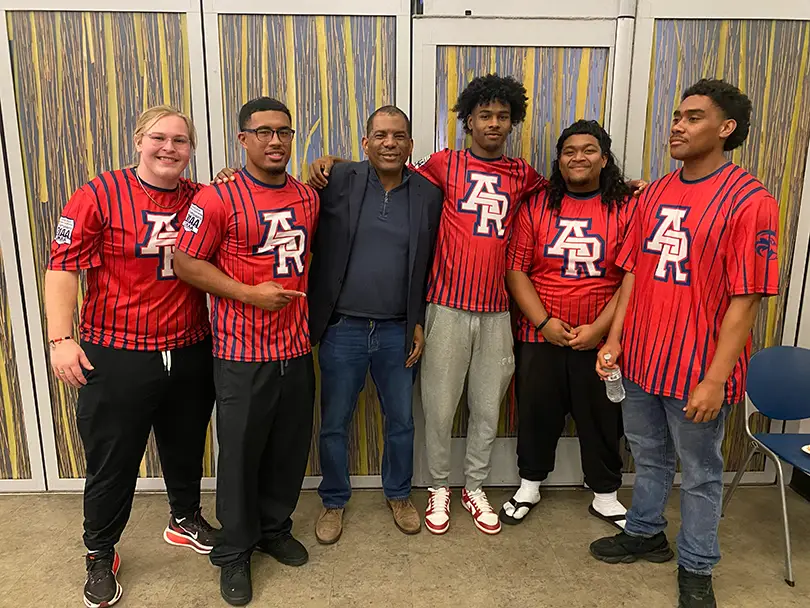
You work closely with diverse and underserved communities. Where do institutions unintentionally fail them the most?
They fail them through lack of support and exposure. Access is not enough. People need guidance to succeed once they enter the system. That includes tutoring, mentoring, and real encouragement.
At the community college level, funding for remedial education is limited. Students are often told to keep up without the support they need. That is not realistic.
I am a product of tutoring and mentorship. My parents could not help me with advanced subjects, but mentors stepped in and made the difference. This should not depend on luck. It should be built into the system.
If you win the Trustee seat what is the first decision you would make that would surprise people?
I would immediately bring in industry leaders and retired professionals to build structured mentoring and tutoring programs. At the same time, I would create job connection groups that align education with employment opportunities.
We need to stop operating in isolation. When all stakeholders are involved, change happens faster and outcomes improve.

There is always tension between bureaucracy and real impact. Where do you personally draw the line between playing the system and changing it?
You have to work within the system, but you also have to challenge it. My approach is simple. Identify the root problems and focus on solving a few of them at a time.
If we can point to real changes at the end of the year, that builds momentum. Then we take on the next challenge.
Progress happens step by step, but it has to be intentional.
What kind of leader does the next generation actually need not the one we are used to seeing but the one that will work in the next 10 years?
We need transformational leaders. Leaders who focus on serving others and creating opportunities beyond themselves. Too often, leadership becomes about personal gain. That mindset limits progress.
When leaders prioritize the community, they inspire others to do the same. That is how real change scales.
Let’s flip it. What is a belief you had about education or leadership five years ago that you no longer agree with today?
I used to believe that leadership at the top was always acting in the best interest of the people. I no longer believe that. Decisions made at the top directly impact everyday lives, and people need to be involved in shaping those decisions.
We cannot assume things are being handled. We have to stay engaged, demand accountability, and actively participate in building the outcomes we want to see.

FROM PUBLISHERThis conversation with Martin Ross exposes something uncomfortable but necessary. The system is not broken because people are not trying. It is broken because it is outdated. Education without employment is a dead promise. Programs without real outcomes are just noise. What stands out in Martin’s perspective is not theory but execution. He is focused on alignment. Education tied to income. Training tied to opportunity. Leadership tied to responsibility. If institutions are serious about relevance, they will have to move faster, think differently, and operate closer to reality. Otherwise, the gap between promise and outcome will only continue to grow.
Martin Ross
Candidate for Trustee Los Rios Community College Dist., Area 2. Vote for Martin by Nov. 3, 2026, FPPC# 1482379 (American River College Area: Carmichael, Fair Oaks, Citrus Heights, Orangevale, Foothill Farms and a Slice of Folsom)
Website: www.ElectMartinRoss.com
Phone: (916) 741-2287
For more info regarding activities around doing good in the neighborhood through social media:
https://linktr.ee/martinross
https://poplme.co/hash/MBPfMUp2/3/show