San Francisco is used to living in the future. Self driving cars are already part of daily life here. New technologies appear on city streets faster than anywhere else in the country. But last weekend, the city learned an important lesson. Even the most advanced technology still depends on something very basic. Electricity.
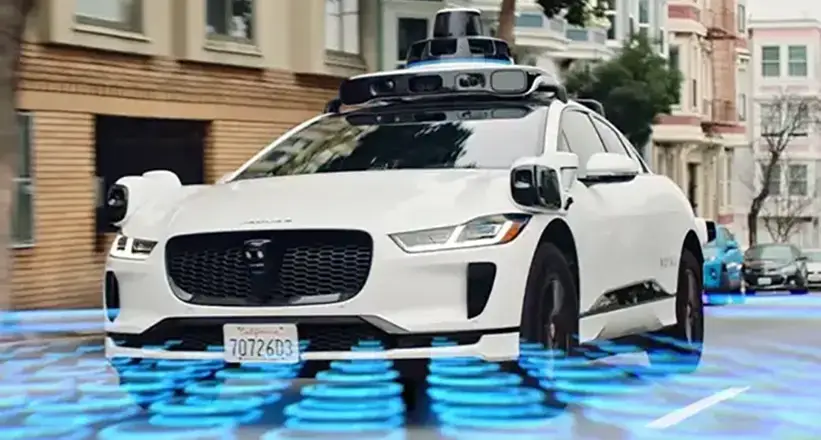
A large power outage hit several areas of San Francisco. For many people, it was an inconvenience. Lights went out. Some stores closed early. Offices stopped working. But on the roads, the situation became much more serious.
Traffic lights stopped working at many intersections. Drivers tried to move carefully and follow common sense. Then something unexpected happened. Waymo robotaxis stopped.
When Self Driving Cars Got Confused
Waymo vehicles are designed to read traffic lights, road signs, and predictable patterns. But when the traffic lights went dark, the cars did not know what to do. Without clear signals, some robotaxis stopped right in the middle of intersections.
This caused traffic jams and frustrated drivers. People honked. Pedestrians filmed videos. Social media quickly filled with clips of self driving cars frozen in place.
It looked strange and even funny. Cars from the future could not move because a basic system failed.
Social Media Reacts
San Francisco responded the way it always does. With humor, debate, and lots of posts online. Some people joked that the city had entered a sci fi movie. Others asked a serious question. Who is responsible when a driverless car blocks traffic?
Many residents were not angry. They were curious. The incident showed how early this technology still is, even after years of testing.
What Really Went Wrong
Experts say the problem was not just the power outage. It was about limits in the software. Self driving cars work best when rules are clear and signals are visible. Real cities are not always perfect.
Human drivers can read body language, eye contact, and small movements. Algorithms cannot do that yet. When systems fail, people adapt. Machines often stop.
A Lesson for the Future
This blackout became a real world stress test. It showed that smart cities need strong backup systems. Autonomous cars cannot succeed without reliable infrastructure.
For city leaders, this is a warning. For tech companies, it is feedback. For residents, it is a reminder. Progress does not move in a straight line.
Why This Matters for California
San Francisco is a testing ground for the entire state. What happens here often spreads across California. Self driving cars are coming to more cities. Power systems are under pressure everywhere.
This incident showed something important. Transportation and energy are connected. The future needs both to work together.
Humans Still Matter
The most flexible part of the system was still the human. While cars waited for signals, people found ways around the problem. They talked, gestured, and moved carefully.
Technology is not the enemy. But it must work with people, not replace them.
San Francisco will keep experimenting. Waymo will improve its systems. Power grids will be upgraded. But for a short moment, the future stopped. And the city learned something valuable.
✅ This was not just a blackout. It was a conversation about how ready we really are for the future.