On a typical California morning, Teslas glide quietly through traffic on Highway 101. They wait at red lights in Palo Alto. They roll through residential streets in Los Angeles. For many drivers, these cars feel like a small piece of the future already delivered.
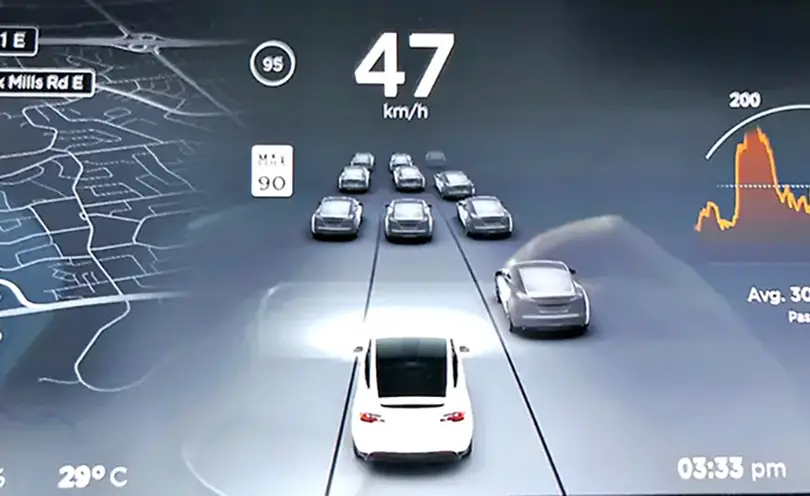
But behind the calm electric hum, a serious debate is unfolding. One that could shape not only Tesla’s future in California, but the future of how technology is sold to the public.
At the center of the discussion is a familiar word that sounds confident and reassuring. Autopilot.
California Loves the Future but Questions the Promise
California has always welcomed bold ideas. This is the state that turned garage startups into global empires. It embraced electric cars early and pushed for cleaner transportation long before it became fashionable.
Tesla grew alongside this mindset. It did not just sell cars. It sold a vision. A future where driving feels effortless, intelligent, and cleaner for the planet.
That is why the recent attention from regulators has struck a nerve. The concern is not about electric vehicles themselves. It is about expectations.
California officials are asking whether Tesla’s marketing language goes too far. Whether it creates confidence that the technology cannot yet fully support.
The Power of a Name
Words matter. Especially in technology.
Autopilot sounds like freedom from responsibility. Full Self Driving sounds like the destination has already been reached.
Tesla does include clear warnings that drivers must remain alert and ready to take control. But critics argue that the emotional impact of the names and the way they are presented can outweigh the fine print.
For a new driver or a first time Tesla owner, the message may feel simple. The car can handle more than it really can.
Regulators worry that this gap between perception and reality could lead to dangerous assumptions on crowded California roads.
Why California Is Willing to Push Back
California is not just any market for Tesla. It is the heart of the company’s customer base in the United States. Millions of drivers see Teslas every day. Many families own one. Many more plan to.
A pause in sales even a temporary one would send shockwaves through the industry. That is why this conversation matters far beyond a single company.
State officials believe that innovation should not move faster than public understanding. If technology affects safety, clarity is not optional.
Silicon Valley Faces a New Question
For decades, Silicon Valley followed a simple rule. Build first. Fix later.
That approach worked for apps and online platforms. It does not translate as easily to two ton vehicles traveling at highway speeds.
Cars are different. Mistakes are physical. Consequences are immediate.
This moment forces the tech world to confront a new reality. Disruption is no longer enough. Responsibility must grow at the same pace as ambition.
What Drivers Are Saying Across the State
Among Tesla owners, opinions are divided.
Some say the system works exactly as expected. They use Autopilot as an assistant, not a replacement. They know when to take control and believe the controversy is exaggerated.
Others admit the marketing feels too confident. They say the names suggest more independence than the technology truly offers today.
In a state where traffic is dense and distractions are constant, even small misunderstandings can lead to serious outcomes.
Investors Stay Calm but Watch Closely
Interestingly, investors have not panicked. Markets often assume that Tesla will adapt as it has before.
Most expect revised language, clearer explanations, or regulatory compromises. Few believe Tesla will lose its place in California.
Still, the situation reveals a shift. Technology companies are no longer given unlimited freedom to define their own terms.
A Turning Point for Tesla’s Story
Tesla built its identity on optimism. On the idea that the future arrives faster if you believe in it strongly enough.
Now the company faces a different challenge. Balancing inspiration with precision. Vision with responsibility.
The question is not whether Tesla can continue to innovate. It is whether it can communicate those innovations without overstating what is possible today.
Why This Debate Affects Everyone
Even people who have never driven a Tesla are part of this story.
Autonomous technology is coming. It will shape cities, commuting, and daily life. The way it is introduced to the public will define how much trust it receives.
California is acting as a testing ground once again. Not just for technology, but for honesty in how that technology is presented.
Tesla represents the dream. California represents the reality check. And somewhere between the two, the future of driving is being decided.