Early mornings in Sacramento are calm. Tree lined streets. Joggers along the river. Light traffic moving toward downtown. At first glance, it feels far removed from the high speed world of Silicon Valley.
But change often arrives quietly.
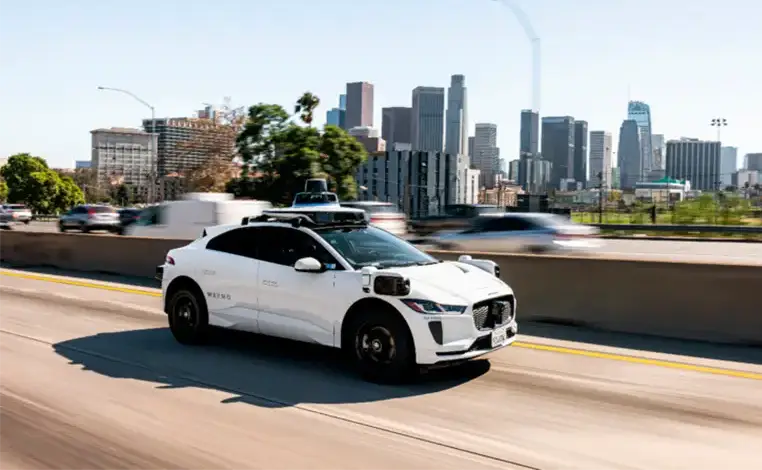
In the coming weeks, residents may notice something different. Electric Jaguar vehicles moving smoothly through neighborhoods. Drivers inside, hands on the wheel, but surrounded by cameras and sensors. These are not ordinary test cars. They belong to Waymo, the company that has spent more than a decade teaching vehicles how to see, think, and decide.
Sacramento is next.
Why This City and Why Now
Sacramento is growing fast. More people are moving in. More tourists are visiting. Streets that once felt spacious are now under pressure.
At the same time, the city is redefining itself. It wants safer roads. Cleaner air. Smarter transportation. Not someday. Now.
That is why Waymo’s arrival makes sense. The company does not choose cities at random. It looks for places that reflect the real world. Mixed traffic. Human unpredictability. Historic streets next to modern districts.
Sacramento offers all of that in one place.
What Waymo Is Starting With
This is not a public launch. Not yet.
Waymo is beginning with a learning phase. Electric Jaguar I PACE vehicles will drive across Sacramento with trained operators behind the wheel. These drivers are there to supervise and intervene if needed, but the real work is happening inside the system.
Waymo Driver is watching everything. Traffic lights. Lane markings. Pedestrians stepping off curbs. Cyclists weaving through cars. Delivery trucks stopping suddenly.
Every trip becomes data. Every situation teaches the system how Sacramento behaves.
Teaching a Car to Understand a City
Self driving technology is not about replacing a human driver. It is about building a new kind of driver.
Waymo Driver relies on machine learning models trained on millions of real world miles and billions of simulated ones. Cameras provide visual context. Radar measures speed and distance. Lidar creates a detailed three dimensional map of the environment.
The system does not just see objects. It predicts behavior. It calculates probabilities. It asks what might happen next.
This scientific approach allows Waymo to prepare for rare but dangerous situations long before they appear on real roads.
Sacramento as a Real World Test
Some cities are too simple. Others are too chaotic.
Sacramento sits in the perfect middle.
It has quiet residential streets where children play and dogs cross the road. It has a busy downtown filled with commuters and visitors. It has historic districts where infrastructure reflects another era.
For autonomous vehicles, this mix is essential. If the technology works here, it can adapt almost anywhere.
That makes Sacramento more than a new market. It makes it a proving ground.
Safety Is the Heart of the Story
In the United States, traffic accidents remain one of the leading causes of injury and death. The overwhelming majority are caused by human error.
Distraction. Fatigue. Speed. Emotional reactions.
Autonomous systems do not text. They do not get tired. They do not rush yellow lights because they are late.
This does not mean perfection. But data increasingly shows that well designed autonomous systems can reduce serious accidents over time.
That promise is what draws cities like Sacramento into partnerships with companies like Waymo.
A City That Wants Safer Streets
Sacramento’s leadership has made safety a priority. Mayor Kevin McCarty has spoken openly about the need for reliable and secure transportation as the city grows.
For local officials, Waymo represents more than innovation. It represents an opportunity to give residents more choices while working toward fewer crashes and safer roads for everyone.
Electric Vehicles and a Cleaner Urban Future
Waymo’s fleet is fully electric. That matters in California.
Transportation is one of the largest sources of greenhouse gas emissions. Electric vehicles help reduce pollution, especially in dense urban areas.
For Sacramento, which is investing in sustainability and walkable neighborhoods, autonomous electric vehicles fit naturally into long term planning goals.
Less noise. Cleaner air. Smarter traffic flow.
What This Means for Jobs and the Economy
The idea that automation only destroys jobs is outdated.
Waymo’s operations require people. Safety drivers. Engineers. Technicians. Data analysts. Customer support teams.
The company’s presence brings investment and collaboration with local institutions. It signals that Sacramento is a city where advanced technology can be deployed responsibly.
Tourists, History, and Smart Integration
Sacramento welcomes thousands of visitors every day. Old Sacramento. Museums. The Capitol building. Riverfront attractions.
Waymo has emphasized its intention to work closely with city and state authorities to ensure its service supports both residents and tourists.
That means careful navigation of historic areas and thoughtful integration into the urban fabric.
Autonomous rides could reduce congestion while offering visitors a new way to experience the city.
Why Waymo Moves Slowly on Purpose
Waymo does not rush.
Every city follows the same method. First learning. Then limited autonomous operation. Then gradual expansion.
This step by step approach is rooted in engineering discipline and risk reduction. It is how trust is built.
Sacramento is now part of that carefully designed journey.
How Residents Can Take Part
Those interested in being among the first users can sign up for updates on Waymo’s website. Early access programs allow the company to learn directly from residents once public service begins.
Waymo already operates fully autonomous vehicles in places like San Francisco International Airport. California regulators have approved testing in dozens of cities.
Sacramento is the next chapter.
When Innovation Feels Normal
Cities rarely change overnight. The biggest shifts often arrive quietly and settle in slowly.
One day, a self driving car is just another vehicle on the road.
Sacramento stands at that moment right now. A point where the future is no longer abstract or distant.
It is learning the streets. One turn at a time.