A man paints on the side of a building, blending traditional basketweaving patterns with his street art. Another looks through the lens of a camera, zooming in as a chef speaks on the topic of Native American food sovereignty. A woman prepares to tattoo a client through traditional hand-poke methods.
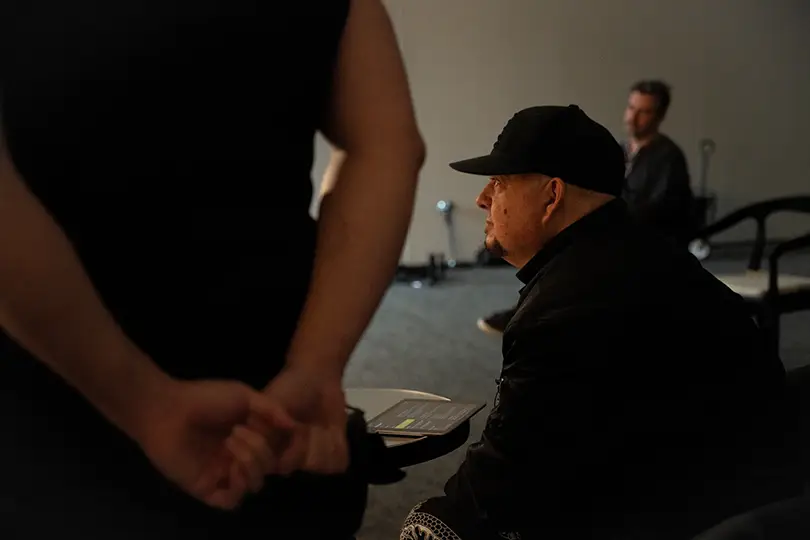
Although these three artists hail from different cities and tribes, they all share a desire to raise awareness of their Indigenous roots.
Deerstine Suehead, an artist based in Sacramento, says she always tries to keep her culture at the forefront of her work. She believes visibility is important and combats the erasure her tribe has experienced.
“I’m very grateful to bear that responsibility and gift, to give back to my people,” Suehead says.
Suehead, raised in Nevada County, which is Nisenan and Maidu land, says she has been a tattoo artist for three years and currently operates out of Leonardi Tattoo in North Highlands, utilizing the traditional method of hand poke that existed long before the Western scene of machine-rendered tattoos, she said.
This practice, including facial tattoos, was outlawed for years until the 1970s when the American Indian Religious Act passed, allowing tribes to exercise their religious freedom. Suehead says she believes this form is now being reawakened by practitioners such as herself. Although it feels good to be a part of this reawakening, it also feels like a burden her people should not have had to bear.
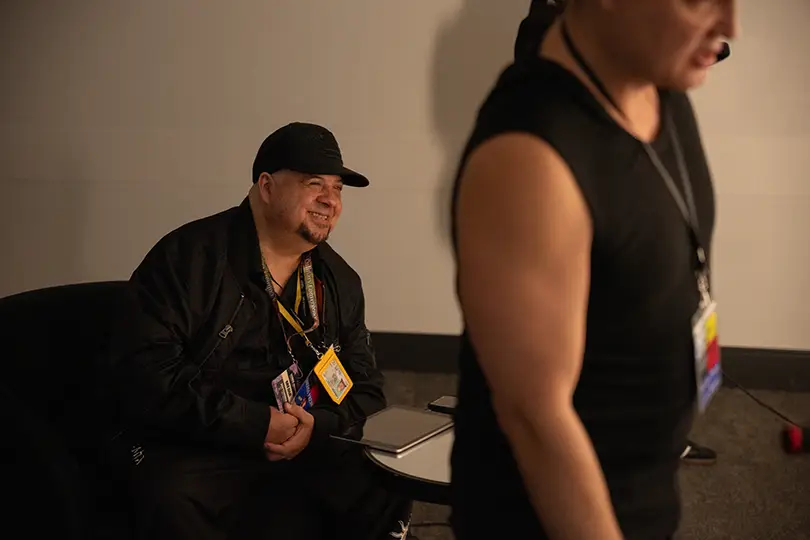
“It’s really a shame that more people don’t know and understand all the ins and outs of what happened to my people because it’s so hidden,” Suehead says. “I’m really proud to make all the sacrifices to live the life that I want to by representing my art and my culture and in the same token, it’s not just sunshine and rainbows. There’s a lot of labor that goes on but a lot of people can’t relate to.”
Suehead wants people to be aware of local Native people and their history so that non-Native people can be more respectful and aware of these tribes. She also believes that the Sacramento region as a whole should strive to hire more Native artists for projects. She hopes to help others learn about causes she cares for, such as the Land Back movement and increasing visibility for her tribe so people are reminded of the land they are on.
Sorren Richards, a muralist based in Hoopa who has done work in Sacramento and currently teaches art classes at Shasta Elementary School in Redding, shares a similar wish. Richards grew up on a reservation with his father with an interest in street art. As time went on, he began to blend graffiti with the art that surrounded him, including basketweaving patterns and traditional regalia.
Richards, who is Hoopa, Yurok and Shoshone, also wants to bring his background into his work and provide that visibility, especially since he sometimes interacts with people who are not aware of the local tribes and reservations near them.
“Being Native, you already have your story and people don’t know that story which should be known,” Richards says. “You do have the people who understand, like the tribes that live around and stuff like that but I’ve met people who think Native people are extinct. That’s crazy.”
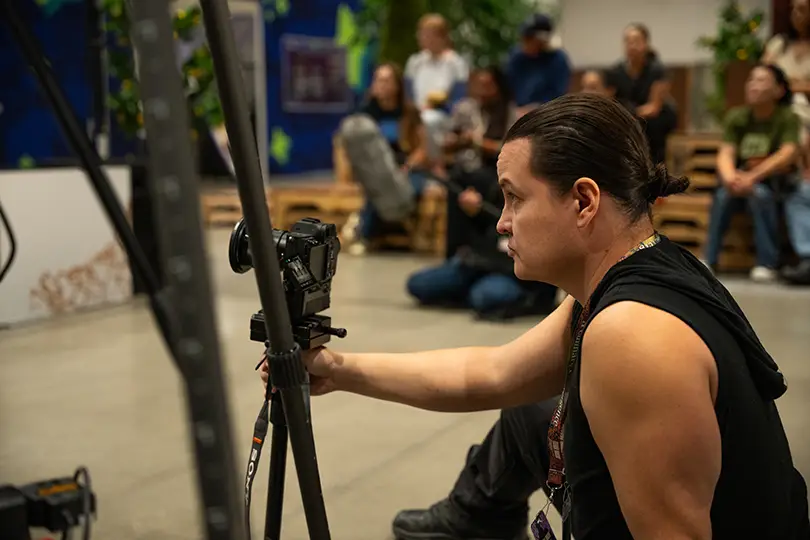
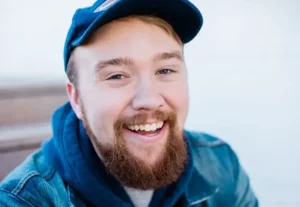
Aside from using art as a means to bridge this gap in understanding, some artists like documentary filmmaker Jaime Tafoya use it to champion causes they are passionate about. Tafoya, whose great-grandfather is a part of the Northern Arapaho tribe, previously released “Stroke – The Circle of Healing,” a documentary focused on his experience as a stroke survivor and the holistic resources he sought out from the Sacramento Native American Health Center.
Tafoya is working on a new documentary focused on Native American food sovereignty, promoting the right of Indigenous individuals to produce food and address issues concerning food affecting these communities.
Tafoya says the information on food sovereignty could be beneficial to non-Native people but many do not understand the concept or have never heard of it before. He wants to continue telling stories focused on Native American culture and history, which he has seen organizations develop a renewed interest in lately.
For his documentary, he spoke to chef Sean Sherman and organizations like Three Sisters Garden in West Sacramento.
“They started providing us with government rations like lard and sugar and flour,” Tafoya says, referencing the Indian Appropriations Act from1851, which led to the creation of the reservation system and prevented Native Americans from gathering food through methods such as hunting or fishing.
“[Then] 150 years later, we’re dealing with rampant diabetes and heart disease and all sorts of health problems because we basically got away from how we used to eat and got into a government controlled commodity system that just destroyed us,” he says. “The title of my documentary is called ‘Reclaiming the Harvest.’ We’re going to reclaim our ancestral food practices for the modern day.”
This story is part of the Solving Sacramento journalism collaborative. This story was funded by the City of Sacramento’s Arts and Creative Economy Journalism Grant to Solving Sacramento. Following our journalism code of ethics, the city had no editorial influence over this story. Our partners include California Groundbreakers, Capital Public Radio, Hmong Daily News, Outword, Russian America Media, Sacramento Business Journal, Sacramento News & Review and Sacramento Observer. Sign up for our “Sac Art Pulse” newsletter here.
By Justine Chahal