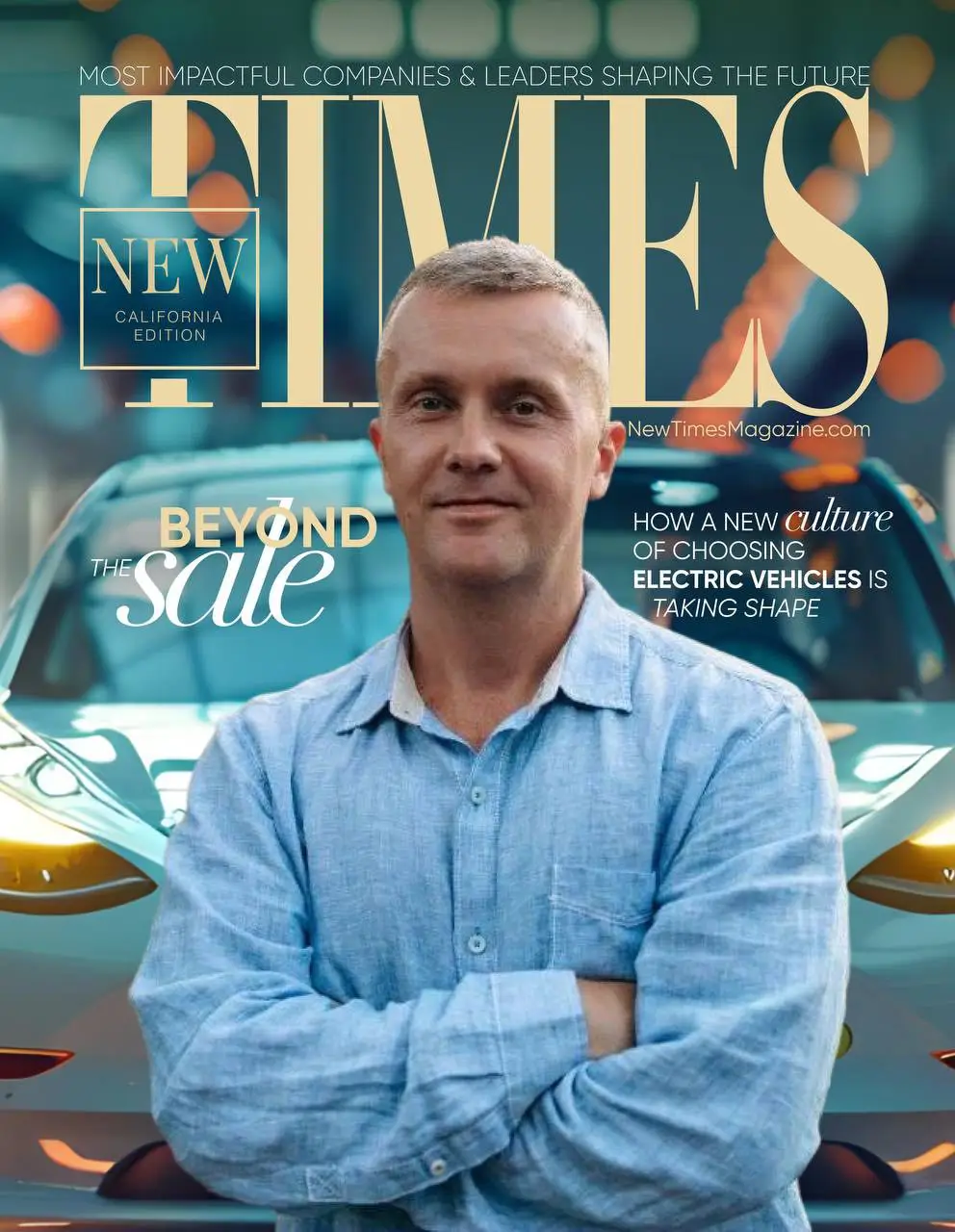
Over the last decade, California has emerged as a pivotal hub for the electric vehicle movement in the United States, driven by progressive policies, substantial investments in infrastructure, and a growing consumer base.
What started as something experimental has, almost quietly, turned into an everyday reality. Today, EVs are everywhere, moving through city traffic, sitting outside office buildings, filling residential streets. They’ve clearly moved beyond being simply another category in the market. In many ways, they are beginning to reshape how people think about mobility and what they expect from a car.
However, as adoption grows, challenges related to consumer education and technological understanding begin to surface.
For many buyers, an electric vehicle is not just a typical car; it functions as an integrated system comprising batteries, high-voltage components, and sophisticated software. Batteries, high-voltage components, software, all of it working together in ways that are not always obvious without a technical background. So, the transition to electric transportation is not driven by infrastructure and innovation alone. Just as important are the people who can translate that complexity into practical, understandable decisions.
This is exactly where Serhiy Zakharchuk operates.
An entrepreneur and electric vehicle specialist based in California, Zakharchuk is the founder of Trusted Auto Group Inc.
His work sits somewhere between engineering and the automotive marketplace. He doesn’t simply sell vehicles in most cases; he helps clients understand what they are buying, often from the inside out.
By March 2026, 443 electric vehicles had passed through his company. In a market that continues to grow at a fast pace, that number reflects more than just sales volume. It points to something more important, a growing level of trust in the used EV segment, where uncertainty remains one of the main barriers. For many clients, this experience turns into their first tangible and hands-on entry into electric mobility.
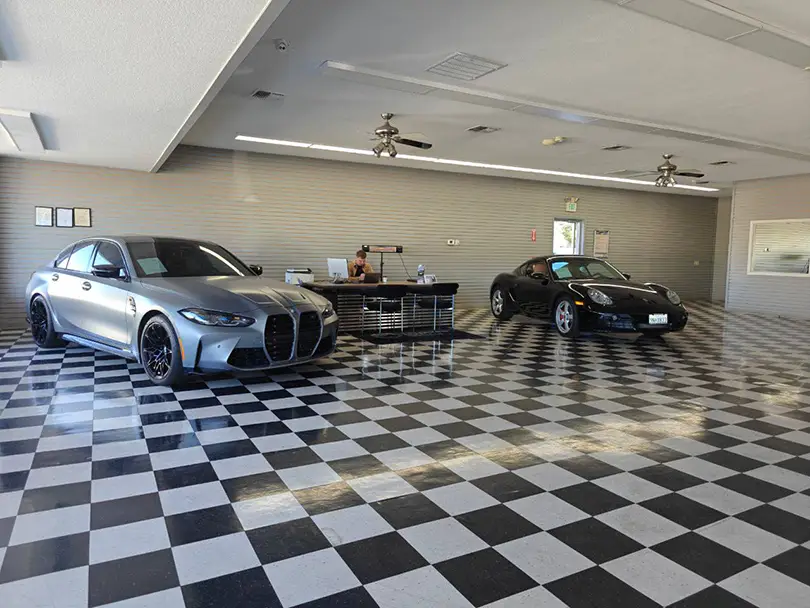
To understand the effectiveness of this approach, one must delve into the real-world scenarios where it unfolds.
Unlike traditional dealerships, where conversations often begin with price, trim levels, or financing, Zakharchuk starts somewhere else entirely.
The starting point isn’t the car; it’s the person behind the decision.
How far do they drive each day?
Do they have solar panels at home?
How much time do they realistically spend driving daily?
What does the vehicle really need to do in their daily routine?
The answers vary. For some, it’s long commutes. For others, it’s efficiency, family needs, or even energy independence. These conversations can take longer than the transaction itself, and, as Zakharchuk points out, they are exactly what prevents costly mistakes, especially in the used EV market.
“People are often cautious about electric vehicles simply because they don’t know what to expect,” he says. “The same concerns tend to repeat themselves: battery life, reliability, maintenance. If those aren’t addressed early, the whole decision turns into guesswork.”
One of the key issues, he explains, is that many buyers still approach EVs using the same mindset they would apply to traditional cars.
“An electric car is, first and foremost, a piece of technology,” he says. “You need to understand the battery condition, the high-voltage system, the vehicle’s history. Without that, you’re not really evaluating what you’re buying.”

That idea shapes how his company operates.
Each vehicle is carefully inspected on a technical level before it is ever presented to a client. Special attention is given to the high-voltage system, the most critical part of any electric vehicle, directly affecting both safety and long-term performance. This level of scrutiny helps identify potential risks early, making the entire process more transparent and predictable in a market that is still evolving. In some situations, the process begins even earlier than that.
Zakharchuk works with vehicles labeled as “no runner” at auction cars without keys and without the ability to start. These vehicles are remotely activated before purchase, and new keys are programmed after delivery. It may sound unusual, but this approach allows the condition of the vehicle to be assessed before it even reaches the buyer, reducing uncertainty at one of the most sensitive stages of the transaction.
Such practices, including thorough diagnostics and transparent communication, extend beyond individual transactions.
The used EV market is still one of the more fragile segments of the industry. Trust here is not built through marketing; it comes from verification. Accurate diagnostics, transparent information, and realistic expectations are what ultimately determine whether a buyer feels confident enough to make the transition.
Most of the vehicles handled by Zakharchuk’s company are Tesla models, primarily Model X and Model S, which continue to dominate the secondary EV market. At the same time, as he points out, the vehicle itself represents only one part of a much broader picture.
“What really matters is what happens after the purchase,” he says. “If, a year later, the person feels they made the right decision, that’s the real result. And when their friends or family come back to us, that’s when you understand that trust has been built.”
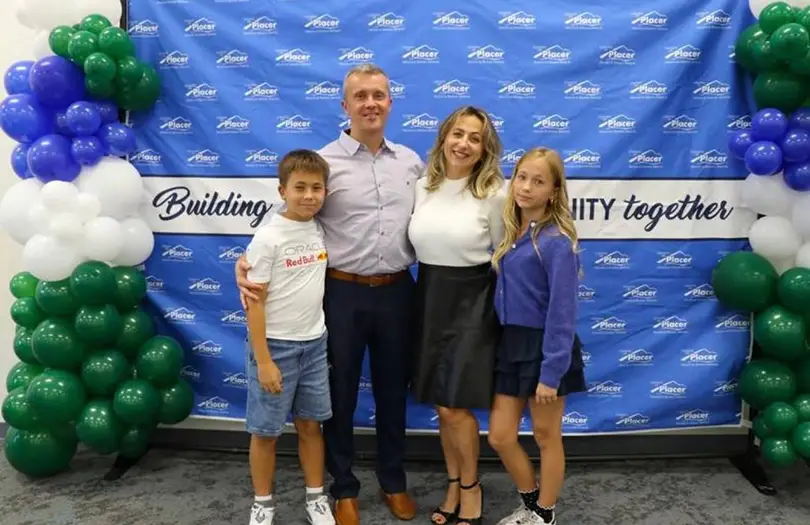
This mindset did not appear overnight.
Zakharchuk’s path in the automotive industry began back in 2011, when he founded a distribution company focused on polyurethane suspension components produced by “Tochka Opory.” Starting from scratch, the business grew steadily, eventually reaching around $300,000 in annual revenue and becoming one of the manufacturer’s leading distributors.
In 2017, he moved into a new direction, manufacturing and repairing suspension components for Tesla vehicles in collaboration with “Autostorm.” What began as a relatively niche activity gradually developed into a separate business line, producing around 30,000 units annually and generating approximately $100,000 in revenue.
However, the importance of that stage wasn’t just in the numbers.
Working directly with EV components led to a much deeper understanding of how these vehicles are built.
“You quickly realize that it is a completely different engineering system,” he says. “Everything is connected electronics, software, power systems. To work with these vehicles professionally, you need to understand how all those parts interact.
That foundation later carried into his work in the United States, where he joined a Tesla service environment and gained hands-on experience in diagnostics and repair. It became a pivotal stage, allowing him to bridge theoretical knowledge with hands-on experience within one of the most advanced EV environments.

From there, he moved into wholesale sourcing through auctions, supplying inventory to other dealers. That phase gave him a clearer understanding of how the market really functions, what buyers look for, where risks appear, and how decisions are made.
Eventually, it became clear that the entire cycle from sourcing to final delivery could be managed independently.
That realization led to the creation of Trusted Auto Group Inc., which now serves as the platform for his work in California’s EV market.
Today, his approach reflects that combined experience: engineering knowledge, repair expertise, and direct market exposure.
As the EV market continues to grow, the key challenge is no longer just increasing supply. The key challenge now lies in lowering the barriers that continue to slow down wider adoption. And for many consumers, those barriers are not technical, they are informational. Uncertainty about technology, risk, and long-term costs continues to shape decision-making.
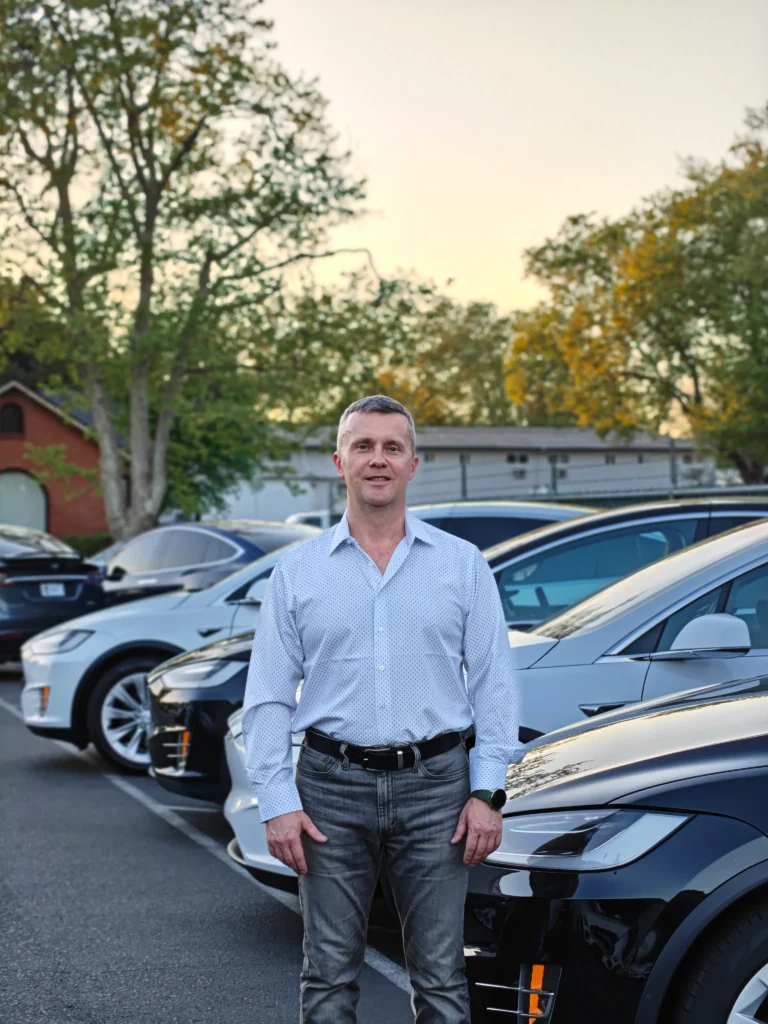
Zakharchuk’s work directly addresses that gap.
Through diagnostics, consultation, and transaction support, he makes the EV market more understandable and accessible, helping reduce uncertainty and enabling more informed decisions.
“The most important thing is that people understand what they’re buying,” he says. “Once there is clarity, confidence follows. And without confidence, there is no real transition to new technology.
That transition does not happen overnight, but the structural changes are already underway. The automotive landscape is shifting, and within that shift, the role of specialists who can bridge the gap between technology and real-world application is becoming increasingly important.
Zakharchuk’s work sits exactly at that intersection: turning complexity into clarity and, in doing so, making the move to electric mobility not just possible, but practical.

FROM THE EDITOR
In a market where innovation often outpaces understanding, professionals like Serhiy Zakharchuk are becoming essential. His work reflects a larger shift in the automotive industry, where informed decision making now carries as much weight as the technology itself. For those considering the move to electric vehicles, clarity is no longer optional. It is the difference between hesitation and confidence.
To learn more about Trusted Auto Group Inc., visit www.trustedauto.org,
follow on Instagram @trusted_auto_group,
or call (279) 247-7777 for a direct consultation.