Imagine this. You step off a long flight. Your phone buzzes. A car is waiting for you. There is no driver. No conversation. No directions to explain. The doors open and the vehicle smoothly pulls away on its own.
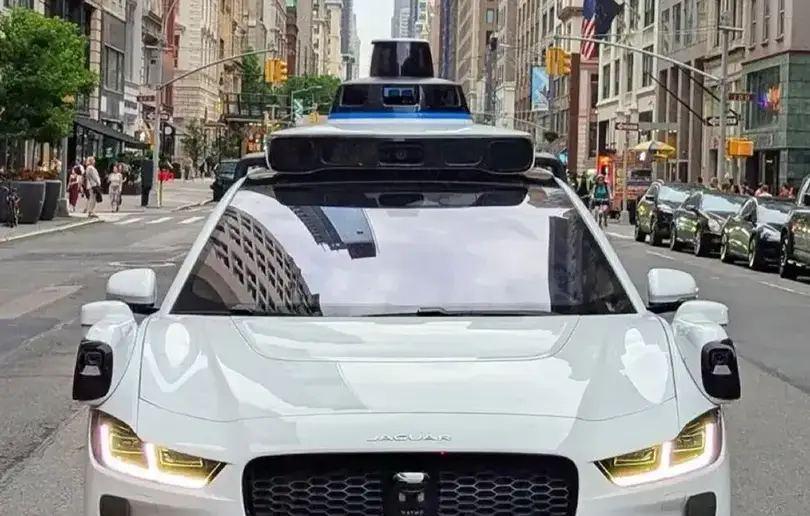
This is no longer a concept video or a tech demo. At San Francisco International Airport it is real.
SFO has become one of the first major airports in the United States where passengers can use fully autonomous vehicles for airport transportation. The service is powered by Waymo and it signals a major shift in how people move through one of the busiest travel hubs in the country.
A Small Change That Signals Something Bigger
At first glance the update seems simple. Another transportation option. Another app based ride. But beneath the surface this launch represents years of research millions of miles of testing and a quiet confidence that autonomous driving is ready for everyday life.
Airports are not forgiving environments. Traffic patterns are dense. Rules are strict. Conditions change by the minute. If self driving cars can operate here they can operate almost anywhere.
That is why the Waymo rollout at SFO matters far beyond Northern California.
How the Service Works Right Now
Currently Waymo vehicles pick up and drop off passengers at Level 1 of the Rental Car Center. Travelers reach this area using the airport’s automated AirTrain which connects all terminals and runs continuously.
The experience is intentionally simple. Riders request a car using the Waymo One app. A vehicle arrives at a designated zone. The ride begins with no human behind the wheel.
At launch the service is available to a limited number of users. Waymo plans to expand access gradually and extend service to additional airport locations including terminal areas.
This phased approach allows the company to gather data fine tune operations and maintain high safety standards in a complex environment.
Why Airports Are the Ultimate Test
City streets are challenging but airports are another level. There are commercial buses delivery vehicles emergency services pedestrians and constant construction activity. Every movement is regulated. Every mistake matters.
Waymo vehicles rely on a layered sensor system that includes cameras radar and lidar. Together they create a detailed real time understanding of the surroundings. The system tracks vehicles cyclists signals and unexpected obstacles with precision that does not depend on fatigue or mood.
Waymo reports that across millions of miles its autonomous vehicles show lower crash rates compared to human drivers in similar conditions. While no system is perfect the data suggests that removing human error dramatically improves safety outcomes.
Safety Before Everything Else
Waymo has always positioned safety as its foundation not a feature. The company emphasizes conservative driving behavior careful decision making and constant monitoring of system performance.
Tekedra Mawakana co CEO of Waymo stated that the company is excited to offer reliable autonomous rides to Bay Area passengers and support the region’s growing travel demand.
This is not about replacing drivers overnight. It is about reducing the leading cause of traffic accidents which remains human error.
What Passengers Will Actually Notice
For travelers the most immediate difference is emotional. The ride feels calm. Predictable. Almost oddly peaceful.
There is no pressure to talk. No awkward navigation moments. No sudden braking caused by distraction. The vehicle moves smoothly and follows rules with consistency.
Autonomous rides are especially appealing during late night arrivals early morning departures or high traffic travel days. They also offer a sense of control for passengers who prefer quieter more private transportation experiences.
For many riders this will be the first time autonomous technology feels normal instead of experimental.
A Step Toward Greener Airports
Most Waymo vehicles operating today are electric. This supports SFO’s long term sustainability goals and efforts to reduce emissions around airport facilities.
SFO Director Mike Nakornkhet noted that the service aligns with the airport’s mission to provide safe sustainable and convenient transportation for travelers.
As autonomous fleets grow they may also reduce congestion by lowering the number of individual vehicles circulating through airport roadways.
A Blueprint for the Rest of the Country
If the SFO rollout proves successful other airports are likely to follow. Major hubs such as Los Angeles New York Chicago and Dallas are watching closely.
Airports are more than transit points. They are gateways. And gateways often define how people experience technology for the first time.
For millions of travelers this autonomous ride may be their introduction to a future that is already functioning quietly and efficiently.
Travel no longer begins at security or boarding. It begins the moment you leave home. And at San Francisco International Airport that journey may now be driven by artificial intelligence.