In an industry where rejection is routine and opportunity is measured in seconds of screen time, Will Roberts knows exactly what it takes to deliver when the camera is on and the stakes are real.
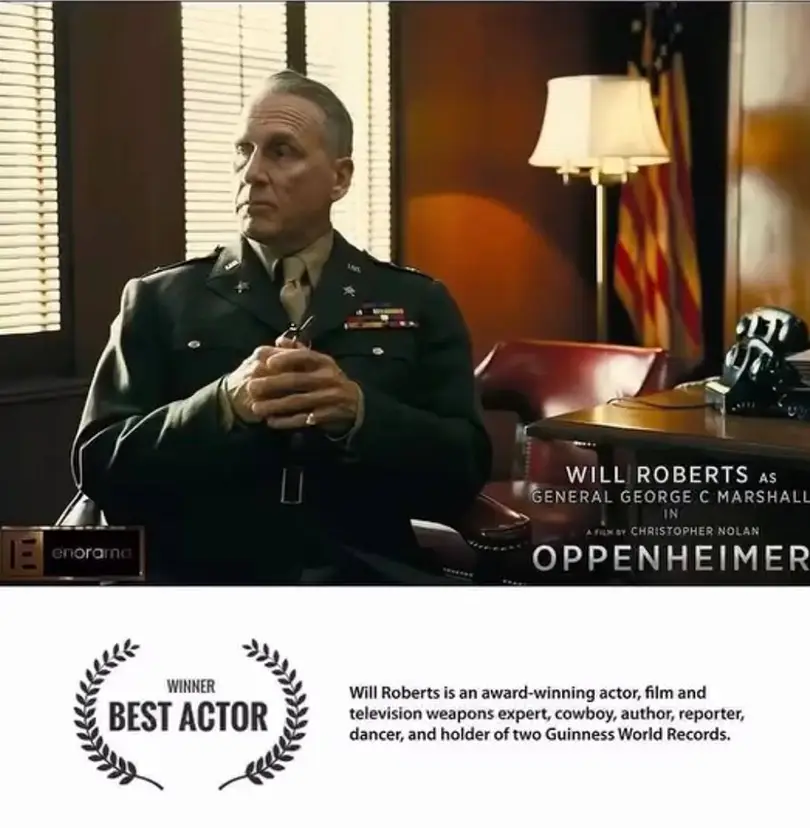
A seasoned film and television actor, Roberts portrayed General George C. Marshall in Christopher Nolan’s Oppenheimer, bringing gravitas and historical authority to one of the most critically acclaimed films of the decade. His career spans decades in Hollywood, with appearances across major productions, network television, and studio features, not as an observer of the craft but as a working professional inside the system.
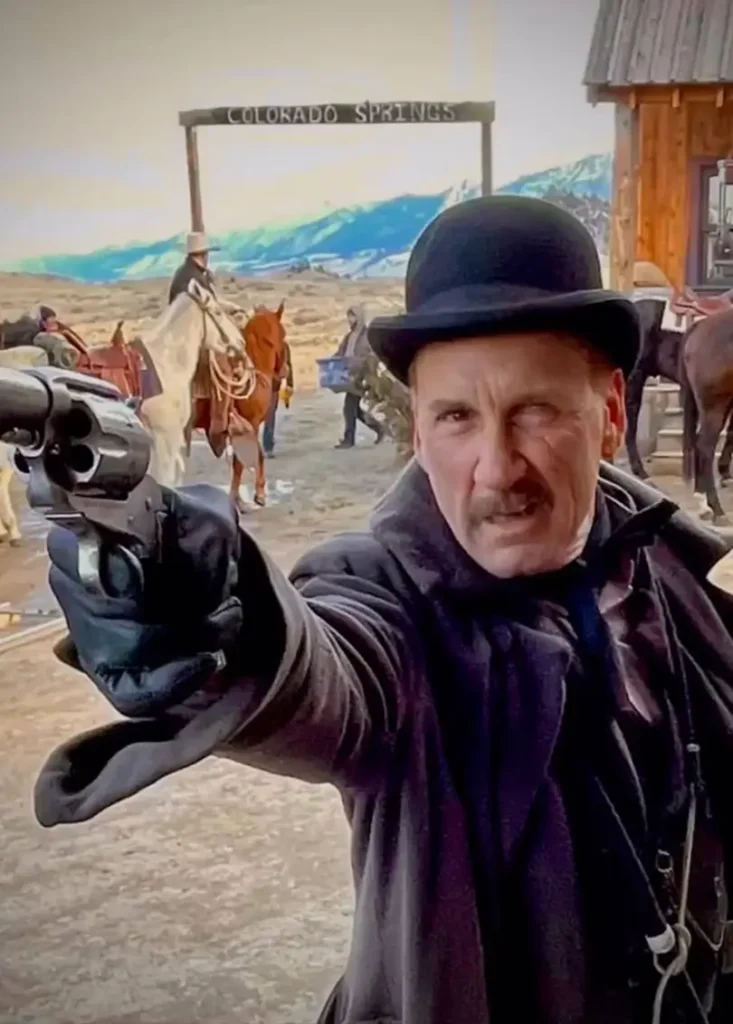
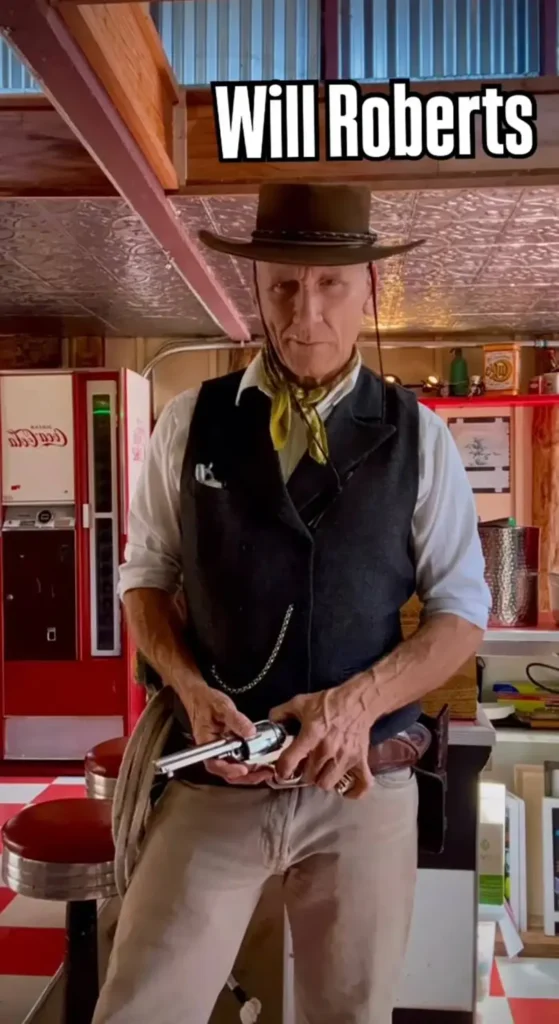
Beyond film, Roberts holds two Guinness World Records, a rare distinction that reflects discipline, endurance, and an uncommon drive to push limits. His influence extends beyond the screen. He has hosted prestigious VIP red carpet events including the Best Business Awards Ceremony and Gala, featuring Miss California International, the International Kids Festival, and Christmas Lights for Children with Special Needs, signature events that celebrate leadership, culture, and community impact.
Now Roberts is channeling that depth of experience into innovation.
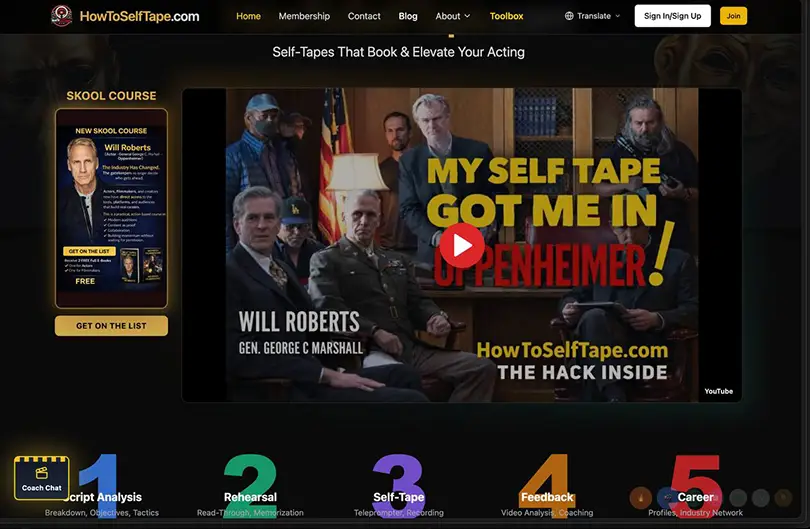
With the launch of HowToSelfTape.com, he is not simply offering advice. He is building a structured professional ecosystem designed to guide actors through script analysis, rehearsal, AI scene partnership, performance refinement, career tracking, and mindset conditioning.
In this exclusive interview with Sergey Ivannikov, Publisher of New Times Magazine, Will Roberts shares the strategic thinking behind his new platform, the critical mistakes he sees actors repeatedly make, and why technology, when created by someone who understands the audition room firsthand, can become a powerful competitive advantage.
From Oppenheimer to Innovation: A Long Form Conversation with Will Roberts
Will, thank you for your friendship and for standing with us in celebrating leadership, culture, and community impact over the years. Let me begin with this. What was the breaking point in the audition process that pushed you from being an actor navigating the system to becoming the architect of a solution?
The shift happened around the release of Oppenheimer. Like many actors, I believed landing a film of that magnitude would be a defining inflection point. Portraying General George C. Marshall in a Christopher Nolan film represents years of craft, persistence, and preparation aligning at the right moment. But at the same time that film was gaining global recognition, the industry itself was destabilizing. Streaming economics were shifting. Production pipelines slowed dramatically. Labor strikes shook the foundation of the business. Artificial intelligence entered the conversation aggressively. The traditional path many of us followed for decades no longer felt reliable. For the first time in over thirty five years, I looked in the mirror and thought the system has changed. Survival is no longer enough. How do I move forward in an industry that has drastically transformed? This is not your father’s film and television industry anymore. I have always been technology oriented. I try to anticipate change rather than react emotionally to it. Instead of waiting for the industry to stabilize, I decided to build something that worked within the new reality. HowToSelfTape was not born out of bitterness. It was born out of adaptation. It was my response to a changing ecosystem as a strategic evolution.
There are countless acting coaches and online tutorials available. What gap did you see that none of them were addressing?
There is no shortage of advice in our industry. In fact, there may be too much of it. You can open any platform and find thousands of opinions on how to act better, how to cry on cue, how to land an agent, how to get callbacks. But what I consistently saw missing was structure and community intelligence. Advice is not infrastructure.
When I was younger, I would have accelerated much faster if I had access to a guided environment instead of fragmented opinions. I learned through mistakes and long cycles of trial and error. That shaped me, but it also took time. HowToSelfTape is not just a set of tools. It is a professional ecosystem and a community. A place where actors share insights about auditions, industry shifts, and emerging opportunities. A place where mentorship is embedded into workflow. Content gives you information. Community gives you momentum. That is the gap.
Your app walks actors through script analysis, rehearsal, AI scene partners, and feedback. Why was it important to build a full workflow instead of a single tool?
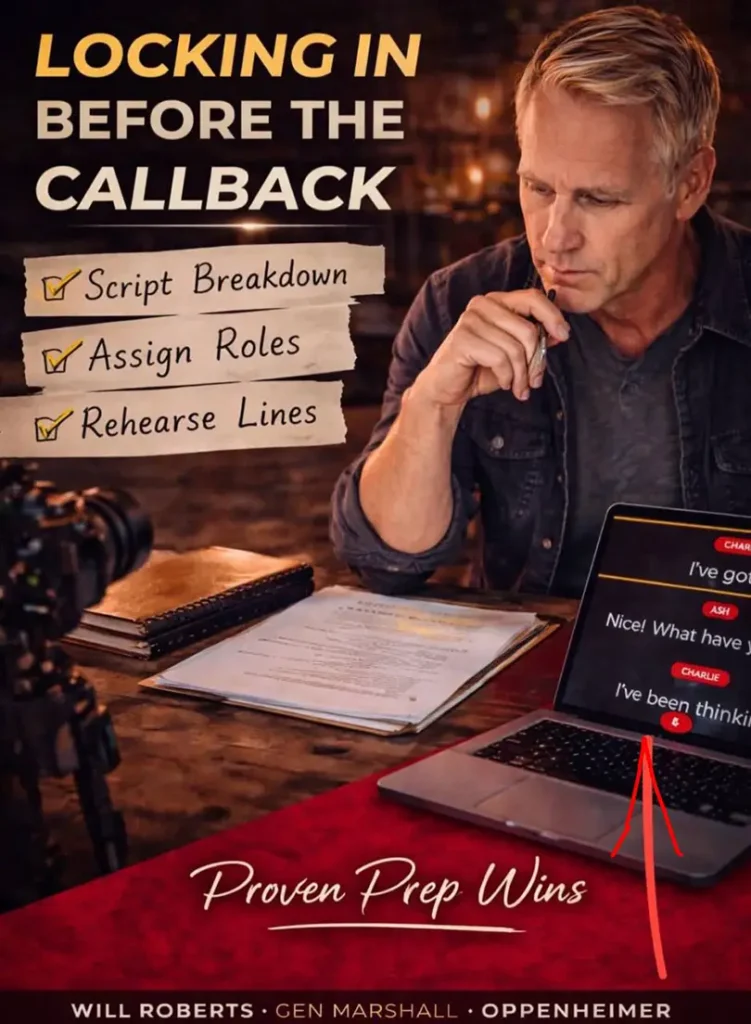
Because the audition is not a single moment. It is a sequence. From the second you receive sides, the clock starts. You analyze. You interpret. You rehearse. You adjust. You tape. You review. You submit. You reflect. Most platforms solve one piece of that puzzle. I wanted to solve the entire arc. Today you do not need to live in Los Angeles to compete. You can audition from Iowa, London, Toronto, or Sydney. I am reviewing projects outside the United States myself. Hollywood is no longer a location. We are Hollywood. If actors are competing globally, they need professional systems. Not hacks. Not shortcuts. Systems.
The teleprompter and role assignment system feel engineered for real world auditions. What mistakes were you seeing repeatedly?
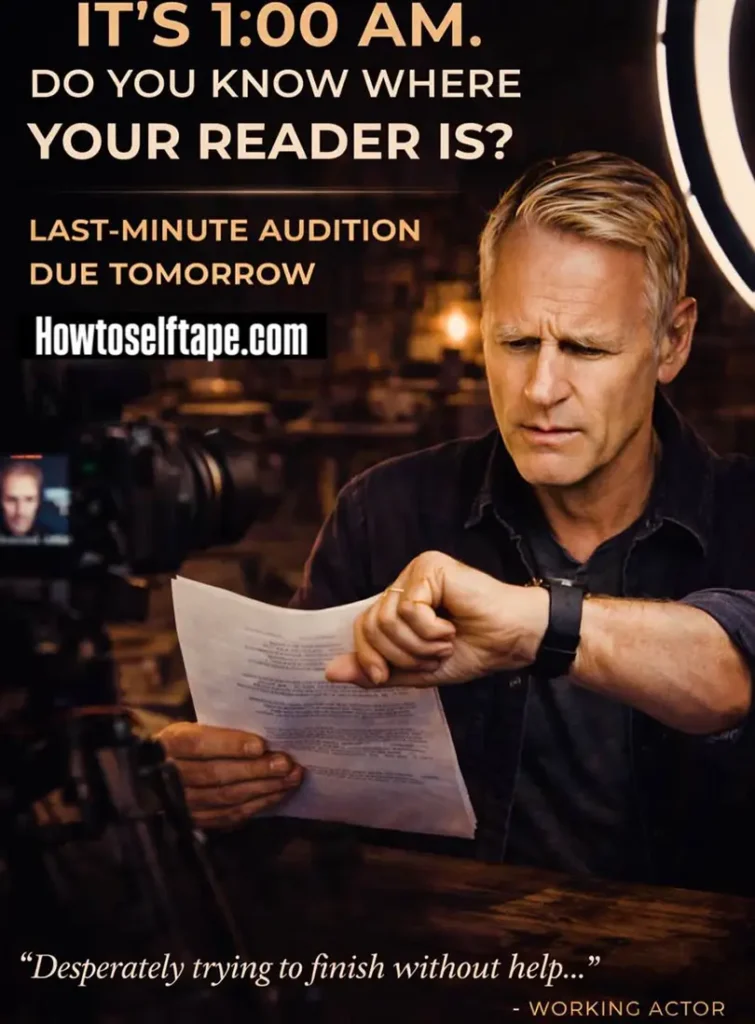
Before COVID, I was already experimenting with proprietary self tape reading systems. I spent months refining what became the teleprompter and role dynamic engine inside the app. I explored AI generated voices as scene partners, but the emotional rhythm did not land correctly. Performance felt mechanical. Actors also have strong egos. Most believe they read the scene best. So I built a system that leverages that reality. The role assignment engine allows actors to control pacing, emotional dynamics, and tonal variation in a way that feeds performance. In live auditions, your reader is often an assistant who has read the same scene dozens of times that day. Energy drops. The read becomes stagnant. This system restores responsiveness and keeps the actor emotionally connected.
How does the AI enhance performance rather than flatten it?
AI enhances preparation, not performance. When an audition arrives late at night and is due the next morning, you are not hiring a private coach. The platform allows actors to analyze scenes, explore objectives, generate alternate interpretations, and even request bold variations that differentiate them. Casting directors want commitment. Even if the choice is wrong, commit to it. When I stepped onto the set of Oppenheimer, I was clear about my objectives and relationships. That clarity came from preparation. AI accelerates clarity. It does not replace instinct. It sharpens it.
You included audition tracking and actor profile building. Is this craft, business, or both?
Both intentionally. Actors often forget the phrase is show business. Business is half the equation. The audition tracker builds discipline. Deadlines. Submission patterns. Callback ratios. Organization. The profile builder creates a clean shareable link presenting credits, branding, and visibility. Understanding the machine makes you stronger inside it.
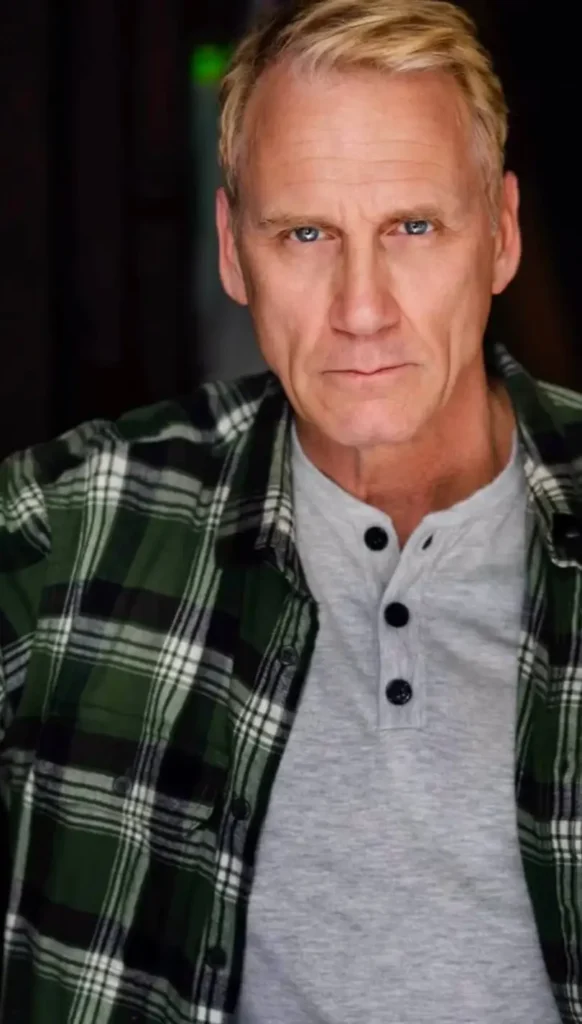
Why include wellness tools?
Because this profession can erode identity if you are not grounded. Rejection is constant. Stability must be cultivated. The wellness component offers guided centering and mental conditioning before auditions. It is not therapy, but it supports resilience. If you do not train the mind, talent alone will not sustain you.
If a casting director secretly used your platform, what would they notice differently?
Clarity. Commitment. Clean framing. Disciplined pacing. Grounded choices. Not gimmicks. Professionalism.
Five years from now, how do you see HowToSelfTape changing audition culture?
We are in one of the most volatile transitions I have witnessed in over three decades. AI is reshaping workflow.
Production economics are shifting. Actors feel overwhelmed. Volatility creates opportunity. Five years from now, actors who embraced structured preparation and technological fluency will lead the industry. Those who resisted change will struggle. We are not waiting for Hollywood to return to what it was. We are building what it becomes.
•••
From the Publisher
Will Roberts represents a rare combination of artistic credibility, entrepreneurial foresight, and community leadership. From portraying General George C. Marshall in Oppenheimer to holding two Guinness World Records and hosting some of our most meaningful cultural events, he has consistently demonstrated discipline, innovation, and integrity. What stands out most is not only his success on screen, but his willingness to adapt, build, and lead during a time of industry transformation. HowToSelfTape.com is more than a platform. It is a reflection of an artist who understands that evolution is essential. As the entertainment landscape continues to shift, voices like Will’s remind us that resilience, preparation, and vision will always define those who move the industry forward.
Connect with Will Roberts
Follow Will Roberts, SAG Award Winner, actor, speaker, and creator, for insights on acting, auditions, industry evolution, and professional development.
Instagram: @willrobertsofficial
Official Platform: www.HowToSelfTape.com
Explore the tools. Join the community. Elevate your craft.