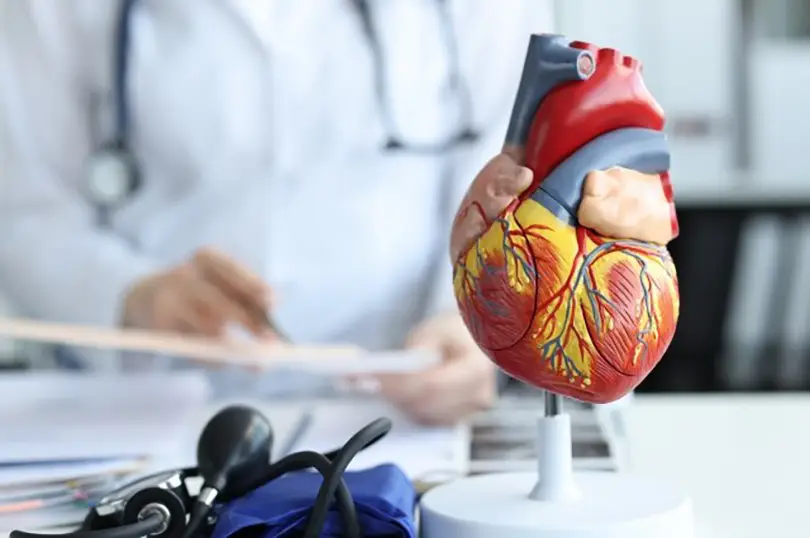
Cholesterol is one of those topics that often creates unnecessary concern. People hear the word and immediately associate it with risk, restriction, and the need for strict control. In reality, cholesterol itself is not something the body can function without. It plays a structural and regulatory role in almost every system of the human body.
It is involved in hormone production, supports cell membrane integrity, and contributes to proper brain function. The issue is not cholesterol as a substance, but how it is distributed and balanced within the bloodstream. When this balance shifts, especially when low density lipoprotein levels rise, the condition of blood vessels and overall cardiovascular system begins to change.
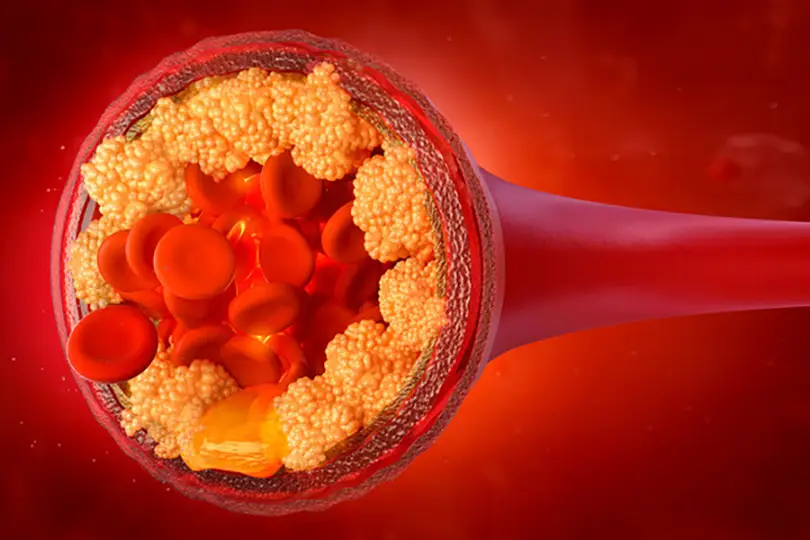
Over time, excess lipids can contribute to plaque formation, reduced elasticity of vessel walls, and impaired circulation. This is where nutrition becomes a powerful tool. Diet is not just about energy intake. It directly influences lipid metabolism, inflammation levels, and vascular function.
Modern research consistently shows that certain foods can support healthier cholesterol levels and improve markers associated with cardiovascular health. These foods work not through extreme intervention, but through consistent inclusion in a balanced diet.
One of the most widely recognized foods in this context is avocado. It contains monounsaturated fats that help improve the lipid profile by supporting higher levels of HDL while reducing LDL. This type of fat is considered beneficial because it contributes to better regulation of cholesterol transport in the body. Avocado also contains phytosterols, compounds that can reduce cholesterol absorption in the digestive system. In addition, its antioxidant content helps protect vascular tissues from oxidative stress, which is a key factor in maintaining vascular health.
Nuts are another important component of a heart supportive diet. A small daily portion provides a dense source of nutrients including healthy fats, plant protein, vitamin E, and antioxidants. Regular consumption of nuts has been associated with improved cholesterol balance and better endothelial function. The endothelium is the inner lining of blood vessels, and its proper function is essential for maintaining flexibility and healthy blood flow. Even modest daily intake, when consistent, can contribute to long term cardiovascular benefits.
Legumes such as beans, lentils, and chickpeas offer a different but equally important mechanism of support. Their high content of soluble fiber plays a direct role in cholesterol regulation. In the digestive system, soluble fiber binds bile acids, which are then excreted. To replace them, the body uses circulating cholesterol, gradually lowering its levels in the blood. Beyond this, legumes help stabilize blood sugar, which is closely linked to metabolic and cardiovascular health. Stable glucose levels reduce stress on the vascular system and support overall balance in lipid metabolism.
Dark chocolate, when chosen with a high cocoa content, can also be part of a heart conscious diet. It contains flavonoids, which are natural antioxidants that help protect blood vessels from oxidative damage. Oxidative stress is one of the underlying processes that contributes to vascular deterioration and plaque formation. By reducing this stress, flavonoids help maintain vessel integrity and support circulation. The key here is quality and moderation. The benefits are associated with higher cocoa percentages and minimal added sugars.
Fatty fish represents one of the most well studied dietary sources for cardiovascular support. Fish such as salmon, mackerel, and sardines are rich in omega 3 fatty acids. These essential fats are known to help reduce triglyceride levels, support anti inflammatory processes, and improve overall vascular function. Inflammation plays a significant role in cardiovascular risk, often developing silently over time. Omega 3 helps counterbalance this process and supports a healthier internal environment for blood vessels.
When these foods are incorporated regularly, they do not act in isolation. Instead, they contribute to a broader pattern of eating that supports lipid balance, vascular flexibility, and overall heart function. This approach aligns with the idea of consistency rather than short term restriction. The goal is not perfection, but sustainability.
It is also important to recognize that cholesterol levels are influenced by more than just diet. Lifestyle factors such as physical activity, sleep quality, and stress levels all contribute to how the body processes and regulates lipids. Chronic stress can elevate inflammation, while lack of sleep may disrupt metabolic processes. Physical activity, on the other hand, supports circulation and helps maintain a healthier balance of cholesterol fractions.
A practical approach is to focus on small, manageable changes that can be maintained over time. Adding avocado to meals, including a handful of nuts as a snack, incorporating legumes into weekly meals, choosing dark chocolate with high cocoa content, and consuming fatty fish several times per week can collectively make a meaningful difference.
Heart health is not built on sudden changes. It is the result of repeated daily choices that either support or challenge the body’s natural balance. By prioritizing nutrient rich foods and maintaining consistency, it is possible to support healthy cholesterol levels and strengthen the cardiovascular system in a sustainable way.