Sacramento County Opens Free Sandbag Stations as Winter Approaches
Winter storms can turn an ordinary Sacramento driveway into a drainage problem in a matter of hours. For homeowners who have experienced water pooling near garages, doors, or low-lying entrances, preparing before the rain arrives can make a meaningful difference.
Sacramento County has opened three free sandbag distribution locations to help eligible residents get ready for the wet season.
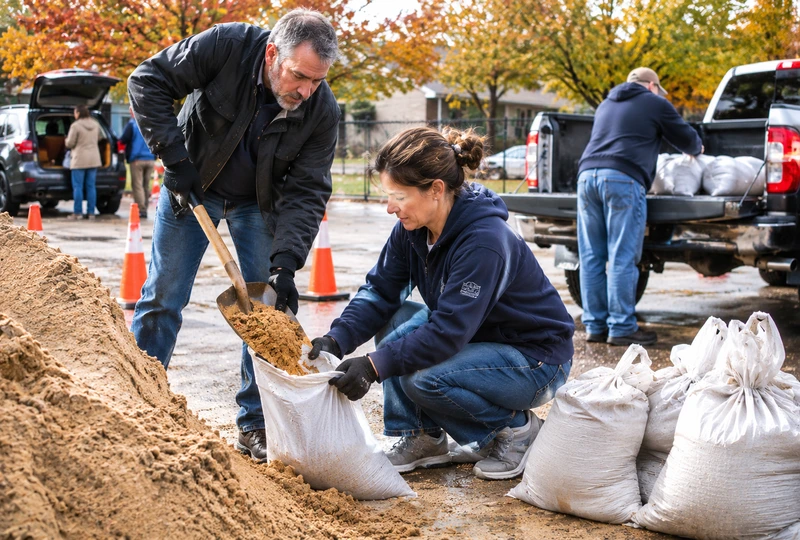
The county announced the program on November 5, 2026. It serves residents of unincorporated areas within the Sacramento County Water Resources service area. Eligibility matters because not every address in Sacramento County is covered by the same local services. The three distribution locations are Branch Center at 3847 Branch Center Road in Sacramento, Orangevale Community Center at 6826 Hazel Avenue in Orangevale, and Fire Station 116 at 7995 Elwyn Avenue in Elverta.
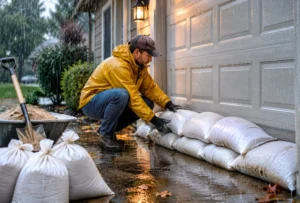
The county provides sand and empty bags, but residents must bring their own shovels and fill the bags themselves. The limit is 20 bags per visit. For households facing seasonal drainage problems, this is a practical opportunity to prepare without purchasing all the materials independently. Sandbags are not a permanent flood-control system. They cannot guarantee that water will stay out of a home, particularly during severe flooding. Their value lies in providing a temporary barrier that can help redirect limited surface runoff or reduce water entering vulnerable openings.
Placement is important.
A row of bags in the wrong location may accomplish very little. Homeowners should first identify where water tends to collect and how it travels across the property. Garage entrances, low door thresholds, and areas near basement openings are common trouble spots.
Sandbags are generally more effective when they are not filled to the top. Partially filled bags can flatten against one another, reducing gaps. Staggering the seams between layers can also help create a more stable barrier.
However, residents should avoid blocking public storm drains or diverting runoff onto neighboring properties. The bigger lesson is that flood preparation involves more than sandbags.
Fall leaves can quickly clog gutters and outdoor drains. Downspouts that discharge water directly beside the foundation may contribute to pooling. Yard drains can become blocked by debris after a windy afternoon, even when they were working properly earlier in the week. Before the next storm, walk around your property and look for signs of trouble. Check whether water can move away from the house, inspect exterior drainage, and remove debris where it is safe to do so. It is also worth reviewing household emergency supplies. Flashlights, batteries, medications, important documents, bottled water, and a way to charge phones can become valuable during an extended power outage or evacuation.
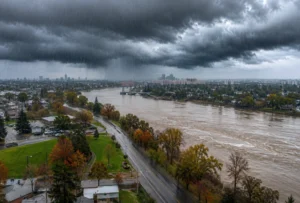
If a storm is already producing rapidly rising water, installing sandbags should not take priority over personal safety. Residents should follow official emergency instructions and never attempt to drive through flooded roads.
California’s rainy season can be unpredictable. Some storms deliver steady rainfall over several days, while others bring intense downpours in a short period. Even neighborhoods without a history of major flooding can experience localized drainage problems. Residents considering a visit to one of the sandbag stations should confirm current availability, operating arrangements, and eligibility with Sacramento County Water Resources before leaving home.
For neighbors who live in low-lying areas or have dealt with water intrusion before, sharing this information could be especially helpful.
A few minutes of preparation on a dry day may prevent hours of frustration when the next storm arrives. And sometimes, the most useful neighborhood warning is simply knowing where help is available before anyone needs it.