California Clears a Major Hurdle for Sites Reservoir, a Giant New Water Storage Project
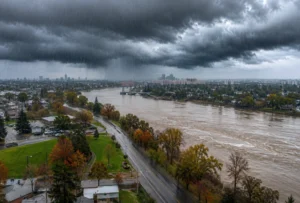
California has spent decades confronting two seemingly opposite water problems: too much water during powerful winter storms and too little during prolonged dry periods.
A major reservoir project northwest of Sacramento is intended to help the state manage that imbalance.
On November 4, 2026, the State Water Resources Control Board approved a water right permit for Sites Reservoir, marking an important milestone for a project that has been discussed and developed over many years.
The decision moves the proposed reservoir forward, although construction and several other steps remain ahead.
Sites Reservoir would be located about 65 miles northwest of Sacramento, with the storage area planned west of the town of Maxwell. Unlike conventional reservoirs built directly across major rivers, Sites is designed as an off-stream storage facility.
That distinction is central to how the project is supposed to work.
Water would be diverted from the Sacramento River during periods of relatively high flow and transported to the reservoir using a combination of existing and new infrastructure. The stored supply could then be delivered to participating water agencies when needed.
The proposed reservoir would hold approximately 1.5 million acre-feet of water at full capacity.
An acre-foot is the volume needed to cover one acre of land with water one foot deep. It is a standard measurement used by water managers throughout the American West.
The project’s scale is significant, but storage capacity should not be confused with the amount of water it will capture in any given year.
Actual storage would depend on rainfall, river conditions, operational requirements, and the limits established by regulators.
The newly approved permit authorizes diversions of up to 986,000 acre-feet annually from the Sacramento River, subject to strict conditions.
Diversions are limited to a seasonal window extending from November to mid-June. Water may be taken only when sufficient flow is available after accounting for senior water rights, water quality requirements, and protections for fish.
The permit also includes restrictions related to fish migration, protective screening at diversion facilities, and requirements intended to reduce potential impacts on river and Delta water quality.
Those safeguards reflect one of the most difficult questions facing any large water storage project in California: how to expand water reliability without placing unacceptable pressure on aquatic ecosystems.
The Sacramento River supports important fish populations and provides water to communities, agriculture, and natural habitats.
Environmental concerns therefore remain a central part of the discussion.
State regulators have not finished reviewing every proposed source of water for the project. A separate hearing beginning in January 2027 will address possible diversions from Funks and Stone Corral creeks near the reservoir site.
Supporters see Sites Reservoir as a way to capture some of the water available during wet periods and make it available during dry ones.
Potential beneficiaries include agricultural districts in the Sacramento and San Joaquin valleys, urban water agencies, and environmental water programs.
For California’s Central Valley, water reliability is closely tied to agriculture and the regional economy. Farmers depend on predictable supplies, while cities and towns need to plan for changing demand and increasingly variable weather.
But a new reservoir is not a guarantee against drought.
During extremely dry years, there may be little surplus water available to store. The project also requires major investment and ongoing management, and its effectiveness will depend on how it operates over time.
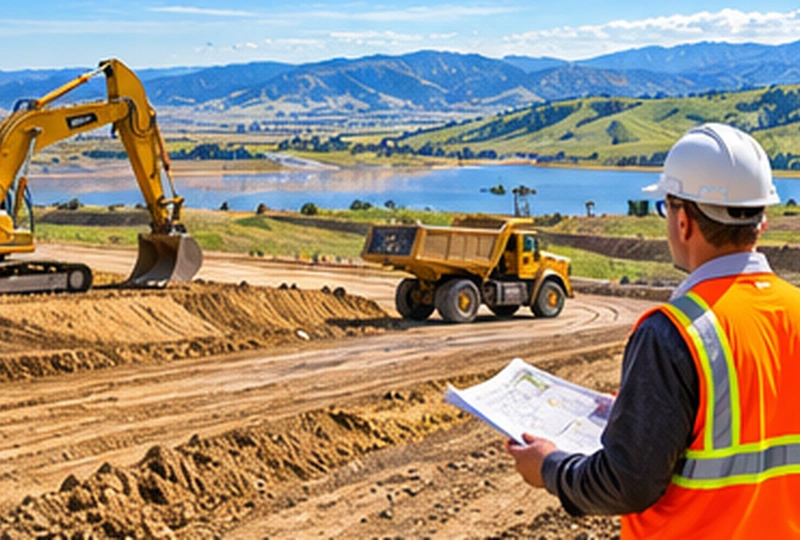
Construction schedules, financing, and remaining approvals are still important considerations. The November decision does not mean the reservoir is already being built or that a completion date is guaranteed.
Nevertheless, the permit represents a meaningful development for a project that could become California’s largest new surface water storage facility in more than half a century.
The broader challenge is unlikely to disappear.
California must prepare for intense storms, extended dry periods, growing communities, agricultural needs, and the protection of rivers and wildlife.
Projects such as Sites Reservoir are one proposed part of that response, alongside water conservation, recycling, groundwater management, and improvements to existing infrastructure.
The essential question is not simply how much water California can store. It is how responsibly and reliably that water can be managed.
For residents of Sacramento and communities throughout the state, the decisions made today could influence water supplies for decades.
Share this story with someone who follows California’s environment, agriculture, or future development. The state’s water challenges affect far more than the people living near its rivers and reservoirs.