Where to See Sandhill Cranes Near Sacramento This Fall
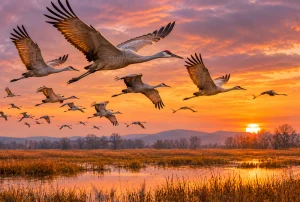
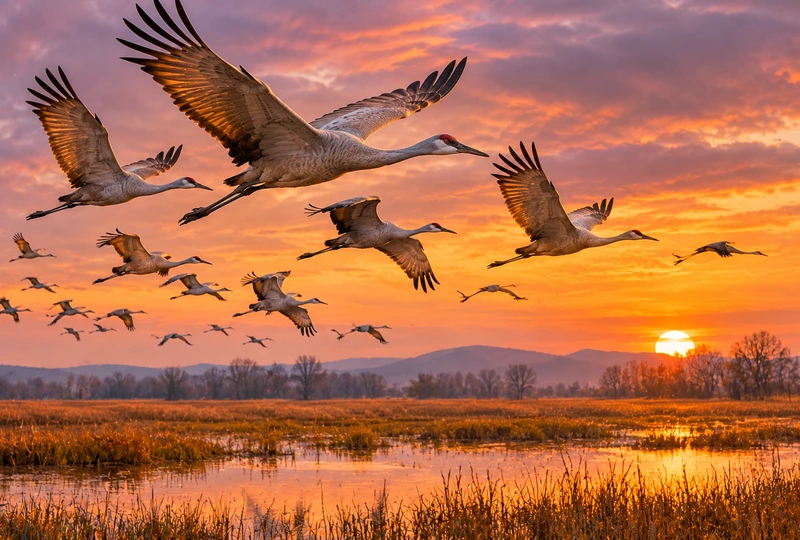
There is a moment at sunset in California’s Central Valley when the sky seems to come alive.
Large gray birds approach from the surrounding fields, their wings moving slowly and their distinctive calls echoing across the wetlands. Some arrive in pairs. Others appear in long formations, descending toward shallow water where they will spend the night.
These are Sandhill Cranes, among North America’s most recognizable migratory birds. Every fall, cranes return to the Sacramento-San Joaquin Delta and surrounding agricultural landscapes for the winter. One of the most accessible places to experience their seasonal arrival is Cosumnes River Preserve near Galt, south of Sacramento.
For families looking for an outdoor activity, photographers searching for memorable images, or anyone who enjoys wildlife, the preserve offers a surprisingly rewarding escape from city life.
Sandhill Crane viewing generally begins in late September and continues through March. Numbers often peak in December, making November an excellent time to begin exploring the area.
The birds are remarkable in both size and behavior.
Larger Sandhill Cranes can stand close to five feet tall, with wingspans reaching approximately seven feet. Adults have gray plumage, long legs, and a distinctive patch of red skin on the head.
Their voices are equally recognizable. The loud, rolling calls can travel across open fields and wetlands, allowing visitors to hear cranes before they see them. Sandhill Cranes are also known for their elaborate dancing behavior, which includes jumping, bowing, and spreading their wings. Pairs often maintain long-term bonds, and family groups may travel together during migration. Many cranes using the Pacific Flyway spend the colder months in California before returning north to breed.
The Central Valley is particularly important because its wetlands and agricultural fields provide feeding and resting habitat. At Cosumnes River Preserve, visitors can explore trails and boardwalks that pass through marshes, grasslands, and floodplain habitat. The Wetlands Walk is a good place to start. In addition to cranes, the area attracts ducks, geese, shorebirds, herons, and birds of prey.
Visitors who prefer to remain near their vehicles can look for cranes along Desmond Road, where safe roadside viewing opportunities may be available.
Another well-known location is Staten Island Road. Flooded agricultural fields can attract impressive numbers of migratory birds during the fall and winter. However, much of the surrounding land is private. Visitors must remain on public roads and obey all posted restrictions.
Timing can make a substantial difference. Cranes may be seen feeding during the day, but sunrise and sunset are especially rewarding. At those times, large groups often travel between feeding areas and nighttime roosting sites. The changing light creates beautiful conditions for photography, while the sound of incoming birds adds an unforgettable dimension to the experience. For visitors who would like expert guidance, Cosumnes River Preserve has scheduled a free Sandhill Crane Guided Tour for Saturday, November 14, 2026, from 3:30 to 5 p.m.
The program begins at the preserve’s visitor center, located at 13501 Franklin Boulevard in Galt. Experienced guides will introduce participants to crane biology, migration, behavior, and conservation. Depending on where the birds are expected to gather, the group may walk or drive to a suitable viewing area. The preserve provides spotting scopes during guided programs, although bringing personal binoculars is encouraged. Registration is required, and spaces are limited. Participants may also be asked to confirm attendance through a follow-up email. A second guided crane tour is listed for November 28, providing another opportunity later in the month.
If a guided tour is full, independent visits remain an option. The preserve offers information about public viewing areas and seasonal bird activity.
A little preparation can improve the outing.
Wear comfortable shoes and bring a jacket, since temperatures can drop quickly after sunset. Binoculars are useful, and photographers may want a telephoto lens rather than approaching wildlife closely.
Respecting the birds is essential. Visitors should remain on established routes, avoid disturbing roosting groups, and never enter restricted habitat for a photograph. Dogs and other pets can frighten wildlife, so checking site-specific rules before bringing an animal is important. For Sacramento-area residents, the experience offers something increasingly valuable: a memorable encounter with nature without requiring a major vacation.
Children can learn about migration by watching it happen. Adults can enjoy the quiet landscape, the changing evening light, and the sight of birds gathering from across the valley. The cranes also remind us why California’s remaining wetlands matter.
These habitats provide critical resting and feeding places along migratory routes that connect distant regions of North America.
A sunset visit may last only an hour or two, but it can leave a lasting impression. For event details and viewing information, visit the preserve’s official website: https://www.cosumnes.org/homepage-2/events/
Share this story with someone who enjoys wildlife photography or family outings. One of the most beautiful seasonal experiences near Sacramento is happening right now.