Driving is more than just a way to get from point A to point B in California. It’s a part of daily life, a measure of freedom, and a reflection of personal choices. Long stretches of highway, scenic routes along the coast, and the thrill of open roads have always been part of the state’s culture. But now, a new reality is taking shape. California has decided to make high-speed driving far more serious, and the consequences for drivers are stronger than most expect.
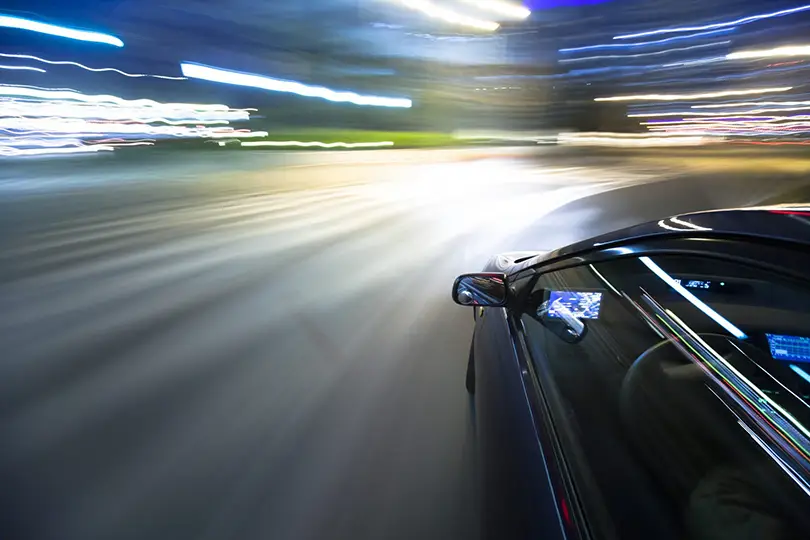
The new pilot project, called FAST, is already in action. Its goal is straightforward: reduce fatal accidents caused by dangerous speeding. But the way it works is a big shift from the old approach. Now, if a driver is caught going over 100 miles per hour, the violation is automatically sent to the Department of Motor Vehicles. It’s no longer just a ticket issued on the roadside. This is a serious review, one that could end with license suspension or even complete revocation.
For many, this may feel shocking. Speeding has long been seen as a minor risk—a small fine, a few points on a license. But in California, the price of excessive speed is no longer measured only in dollars. The FAST program represents a fundamental shift in how dangerous driving is treated.
Why California Took Action
The numbers are sobering. Speeding is responsible for nearly one third of all traffic deaths in the state. These are not abstract statistics. Every fatal accident is a human story—families shattered, lives ended, and communities affected.
State authorities, including the California Highway Patrol, stress that FAST is not about punishing drivers arbitrarily. It is about saving lives. High-speed collisions dramatically increase the likelihood of death or serious injury. At speeds over 100 miles per hour, even a minor mistake can have catastrophic results.
By automatically sending violations to the DMV, California ensures that repeat offenders and the most dangerous drivers are removed from the roads as quickly as possible. This program works in tandem with other agencies to streamline enforcement and make it harder for drivers to slip through the cracks.
What Happens if You Get Caught
Once the DMV receives a report, the review process begins. A driver could face a temporary suspension of their license, or in the most severe cases, a full revocation. Repeat violations or other aggravating circumstances increase the severity of consequences.
This is a clear message: speeding over 100 miles per hour is no longer a casual offense. It’s treated as dangerous behavior with serious repercussions. California wants drivers to understand that a moment of recklessness can cost far more than money.
The Changing Culture of Driving
FAST reflects a broader effort to change how people think about speed. Roads have become busier, cars more powerful, and the temptation to push the limits greater. Post-pandemic driving patterns show that aggressive driving and high speeds are increasing. Many drivers assume that an empty stretch of highway or a powerful car makes speeding safe. FAST challenges that assumption.
It also targets a subtle but dangerous habit. Many drivers slowly increase their speed over time, thinking a few extra miles per hour are harmless. FAST treats excessive speed as a conscious decision to take risks, rather than a minor mistake. This mindset is critical in reducing fatalities.
Safety is the Priority
The ultimate goal of FAST is clear: prevent accidents and save lives. Authorities want to change driving culture, making speed a serious responsibility rather than a thrill. Each driver has a role to play. The faster a car goes, the less margin there is for error. Slowing down saves lives, not just for the driver but for everyone on the road.
The consequences are also meant to send a message. Speeding is no longer just about avoiding a ticket. It affects your license, your reputation, and the safety of those around you. Drivers are being asked to rethink what freedom on the road really means.
Why Drivers Should Pay Attention
Every California driver should take note. The FAST program applies to anyone exceeding 100 miles per hour, but its effects ripple outward. Knowing the rules, understanding the consequences, and adjusting driving habits can make a significant difference. This is not a temporary crackdown. California is shifting the culture of speed.
It’s also about fairness. Ordinary drivers who follow the rules deserve protection from those who treat the road as a race track. FAST helps ensure that dangerous behavior is addressed quickly, efficiently, and consistently.
The Price of Risk
The FAST program has made one thing clear: the price of speeding is higher than ever. A single moment of reckless driving could mean lost licenses, fines, legal consequences, or worse. The hope is that drivers will see the cost before it’s too late.
California roads are crowded, cars are faster, and the stakes are high. The state is sending a clear message. Speeding is no longer minor, and the consequences are real. Drivers must understand that every mile over 100 is a choice a choice that can have life-altering consequences.
FAST is more than a program. It is a reminder that safety must come first, and that driving is a responsibility, not just a convenience. By taking speed seriously, California hopes to reduce fatal crashes and create a culture of respect on its roads.
📌 For drivers, the lesson is simple: slow down, follow the rules, and consider the real cost of speed. In California, one wrong move can have consequences far beyond what most expect.