For most of modern history, aging was treated as a one way road. You could slow it slightly, make the journey more comfortable, but never change its direction. Getting older was not a problem to solve. It was a fact to accept. That belief is quietly fading.
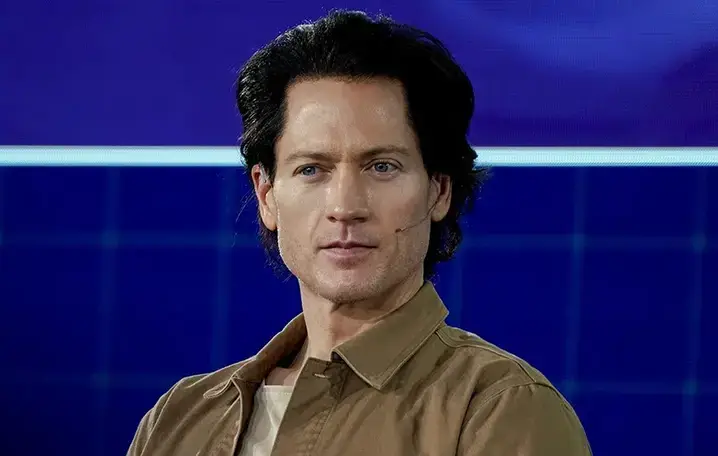
Not with a loud announcement or a scientific breakthrough that changes everything overnight, but with a shift in how some people talk about the future. One of the loudest voices in that shift belongs to entrepreneur and biohacker Bryan Johnson. He believes that by 2039 humans may be able to live almost endlessly. Not forever in a poetic sense, but long enough that aging no longer feels like a deadline.
To many, this sounds unrealistic. To others, it sounds familiar. Especially in California, where bold ideas often appear long before they make sense to the rest of the world.
A Different Way of Thinking About Time
Johnson does not speak about immortality as a miracle. He speaks about it as a process. In his view, aging is not destiny. It is a system. And systems can be studied, measured, and redesigned.
This way of thinking comes straight from the technology world. Software can be updated. Bugs can be fixed. Performance can be improved. When that mindset is applied to the human body, the result is uncomfortable and fascinating at the same time.
The logic behind it is simple. Artificial intelligence can now analyze massive amounts of medical data in minutes. Patterns that once took decades to identify are becoming visible almost instantly. Drug development is accelerating. Disease prediction is improving. Personalized treatment is becoming realistic.
Once medicine becomes fast and data driven, the idea of slowing aging no longer feels impossible. It feels technical.
Living Inside the Experiment
What separates Bryan Johnson from many futurists is that he is not waiting. He is testing his ideas on himself.
His Blueprint program is not a wellness routine. It is a tightly controlled system. Every aspect of his daily life is measured and adjusted. Nutrition, sleep, movement, blood markers, organ function, and recovery are tracked constantly.
According to Johnson, his biological indicators suggest a body significantly younger than his actual age. He claims that measurable data supports this. The cost of maintaining this level of control is estimated at around two million dollars each year.
For some readers, this sounds excessive. For others, it sounds like the logical next step for someone who built his career in optimization. In California, this approach feels strangely normal. Here, people are used to treating life as something that can be engineered.
When Health Becomes a Status Symbol
Behind Johnson’s personal experiment is a larger shift. Health is changing its role in society. It is no longer just about avoiding illness. It is becoming a form of identity.
Access to the best diagnostics, the most advanced treatments, and constant monitoring is expensive. Longevity is turning into a premium experience. Something closer to a luxury service than a basic human condition.
This raises uncomfortable questions. If longer life depends on access to technology, data, and elite care, then who gets to benefit. Right now, the answer is clear. Those with money.
California sits at the center of this transformation. Biotech startups, private clinics, venture capital, and research institutions are building an economy around extended life. A new market is forming, and it is growing quickly.
A Familiar Promise With a New Tone
For decades, people said that health cannot be bought. That phrase once felt solid. Today, it feels less certain.
Can money buy more healthy years. Can it delay decline. Can it reduce the risk of diseases that once seemed unavoidable. Increasingly, the answer appears to be yes, at least to some extent.
This does not mean immortality is guaranteed. It means the boundaries are shifting. What used to be impossible is now being tested. What used to be science fiction is becoming a business plan.
Why This Conversation Matters
Even if you never plan to follow a strict longevity protocol, this movement will affect you. Longer lives change everything. Careers last longer. Retirement looks different. Healthcare systems must adapt. The meaning of age itself begins to shift.
California often experiences these changes first. The state functions as a preview of what may come next. Ideas are tested here, refined here, and then exported to the rest of the world.
Bryan Johnson’s story matters not because he promises eternal life, but because he represents a new mindset. A mindset that refuses to accept aging as fixed.
The Quiet Rise of the Longevity Market
Perhaps the most striking part of this story is how calmly the future is being sold. There are no dramatic announcements. No single invention that changes everything.
Instead, there are protocols, programs, supplements, tests, and subscriptions. Longevity is being packaged in familiar ways. It looks like technology. It sounds like optimization. It feels like progress.
Marketing plays a powerful role here. It appeals to fear of aging, fear of loss, and fear of missing out. It offers control in a world that often feels unpredictable.
A Future Still Being Written
Will longer life become available to everyone. Or will it remain a privilege for the few. History suggests that many technologies begin as luxuries and slowly spread. But the path is never equal, and the timeline is never clear.
Bryan Johnson is not offering certainty. He is offering a direction. He is testing limits in public and inviting the world to watch.
Living forever in fourteen years still sounds like fantasy. But the fact that this idea is now discussed seriously says something important. The future is no longer waiting quietly. It is being built, measured, and sold.
✅ And whether we are ready or not, that future is already taking shape.