In the last few years, probiotics have become one of the hottest topics in health and wellness. Walk into any pharmacy, and you’ll see shelves lined with supplements full of “good bacteria.” Grocery stores are stocked with yogurts that claim to support digestion. Nutritionists are recommending foods that boost gut health.
But why is everyone suddenly talking about gut bacteria? And can these tiny organisms really affect not just digestion, but also our immunity, weight, and even our mood?
Let’s take a closer look at what science says — and why the gut is often called our “second brain.”

Your Gut Microbiome: An Invisible Ecosystem Inside You
Inside your intestines live trillions of microorganisms — bacteria, viruses, fungi. Together, they make up what scientists call the microbiome. It’s as unique to you as a fingerprint.
When balanced, your gut microbiome helps with:
- breaking down food and absorbing nutrients,
- producing vitamins (like B vitamins and vitamin K),
- protecting the gut lining from toxins and harmful microbes,
- regulating the immune system,
- communicating with the brain through the gut–brain axis.
When this balance gets disrupted — by antibiotics, stress, or an unhealthy diet — you don’t just feel it in your digestion. It can affect your whole body.
Probiotics: What They Are and How They Work
Probiotics are live microorganisms that, when consumed in the right amounts, benefit your health. Most often they’re from the Lactobacillus or Bifidobacterium families.
They restore balance in the gut by crowding out “bad” bacteria, strengthening the gut wall, and supporting the immune system.
Foods rich in probiotics include:
- yogurt with live cultures,
- kefir,
- kimchi and sauerkraut,
- miso, natto, tempeh,
- certain cheeses (like gouda).
To make probiotics work better, they need prebiotics — dietary fibers that act as food for the good bacteria. Think bananas, oats, asparagus, beans.
Probiotics and Immunity
Here’s a fun fact: up to 70% of your immune cells are located in your gut. That’s why gut health and immunity are so closely linked.
Studies show:
- some Lactobacillus strains reduce the risk of respiratory infections,
- probiotics help people recover faster after antibiotics and prevent gut issues,
- they may lower inflammation in the body — a big deal for chronic disease prevention.
For Californians, where seasonal allergies and colds can be an issue, supporting immunity through gut health is a smart extra step.
Probiotics and Weight
Scientists have noticed clear links between gut bacteria and metabolism. People with obesity often have a different microbiome compared to those at a healthy weight.
Research suggests:
- probiotics may help regulate appetite by influencing “satiety hormones,”
- some Bifidobacterium strains may reduce fat storage,
- a balanced microbiome improves how your body processes calories and nutrients.
Probiotics aren’t a magic pill for weight loss. But along with good food and exercise, they can support a healthier metabolism.
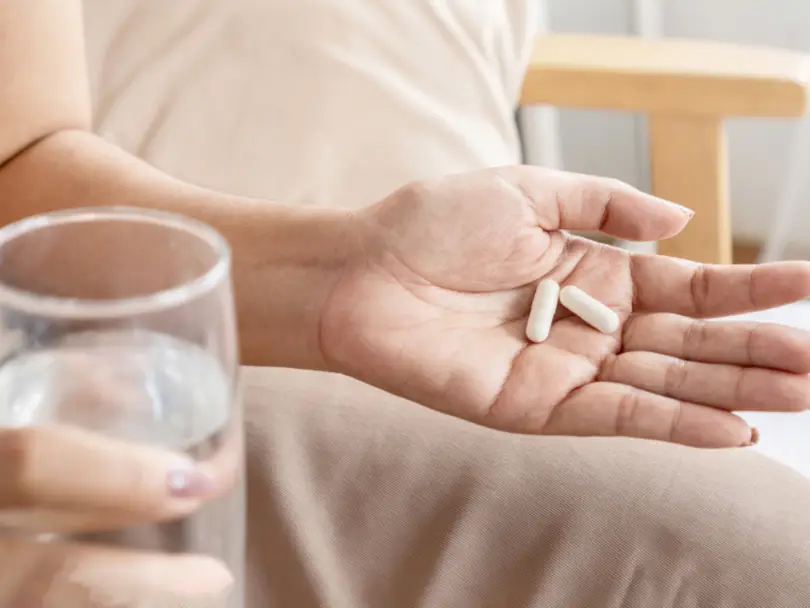
Probiotics and Mood: The Gut–Brain Connection
One of the most exciting discoveries in science is how gut health affects mental health. Gut bacteria actually produce neurotransmitters — like serotonin, the “feel-good hormone.” Over 90% of serotonin is made in the gut!
What research shows:
- people with depression often have an imbalanced microbiome,
- probiotics may reduce anxiety and improve mood,
- some Lactobacillus strains can lower cortisol — the stress hormone.
This field is still new, but it’s becoming clear: taking care of your gut may also mean taking care of your mind.
How to Choose Probiotics
With so many supplements on the market, it can be overwhelming. Experts recommend looking at:
- Strains — different strains do different things. Multi-strain formulas (Lactobacillus + Bifidobacterium) are often best.
- Colony-forming units (CFUs) — a useful dose is usually 1 to 10 billion CFUs per day.
- Delivery form — capsules with special coatings help bacteria survive stomach acid.
- Storage — some probiotics need refrigeration. Always check labels.
Tip: If you have a medical condition, talk to your doctor before starting probiotics.
What California Doctors Are Saying
Local health experts are increasingly recommending probiotics not just for digestion, but also for overall wellness. Gastroenterologists at UC Davis, for example, are studying how probiotics may help with irritable bowel syndrome and even autoimmune conditions.
Nutritionists often advise starting with food first: eat more fiber and fermented foods, instead of relying only on pills.
Bottom Line: Tiny Bacteria, Big Impact
Your gut microbiome is like a hidden universe inside you. And science now shows it affects way more than digestion. From stronger immunity to healthier weight to a brighter mood — probiotics and gut health are key players in overall well-being.
Adding probiotics and prebiotics to your diet isn’t just a trend. It’s a smart, science-backed way to care for your body and mind. And in the near future, doctors may even prescribe “personalized microbial cocktails” tailored to each individual.