The Return of Measles: A Warning We Cannot Ignore
In 2000, the United States celebrated a milestone. Measles was declared eliminated. It was not gone from the planet, but it no longer spread continuously within the country. Public health experts called it a triumph of science, coordination, and vaccination.
For years, measles felt like a disease from another era. Now, in 2026, that sense of distance is fading.
Since the start of the year, 733 measles cases have been confirmed in the United States. That is roughly four times higher than the average annual level seen after elimination. Just last year, in 2025, the country recorded 2,276 cases, the highest number in decades.
These numbers are not abstract. They reflect real children, real families, real hospital visits. And they send a clear message. Measles is back in circulation.
Why Measles Spreads So Easily
To understand the current surge, we need to understand the virus itself.
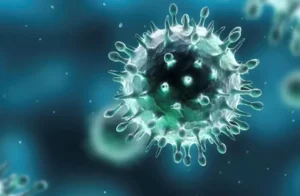
Measles is one of the most contagious diseases known. If one infected person enters a room where people are not immune, up to 90 percent of them can become infected. The virus spreads through the air when an infected person coughs, sneezes, or even breathes.
What makes measles especially challenging is that the virus can linger in the air for up to two hours after an infected person leaves. Someone can walk into a room long after exposure and still become infected.
Even more concerning, a person with measles can spread the virus before the telltale rash appears. That means transmission often begins before anyone realizes what is happening.
In a state like California, with international airports, theme parks, universities, conferences, and packed public spaces, the conditions for rapid spread are always present.
The Real Reason Behind the Surge
The current rise in cases is not driven by a new mutation. It is driven by a drop in vaccination coverage.
According to CDC data, MMR vaccination coverage among kindergarteners declined from about 95 percent in 2019 to below 93 percent in 2025.
Two percentage points might seem minor. In epidemiology, they are not.
Measles requires about 95 percent community immunity to prevent sustained outbreaks. This threshold is based on the virus’s basic reproduction number, which measures how many people one infected individual is likely to infect in a fully susceptible population. For measles, that number is extremely high.
When vaccination coverage dips below the herd immunity threshold, clusters of susceptible individuals form. These clusters allow the virus to gain a foothold. Once it does, it spreads quickly.
This is not a theory. It is a pattern seen repeatedly in different countries and regions.
California’s Unique Position
California has a history with measles. In 2015, an outbreak linked to Disneyland infected more than 100 people and sparked intense public debate. In response, the state strengthened school vaccination laws and limited non medical exemptions.
For several years, vaccination rates improved.
Then came the COVID pandemic. Routine pediatric visits were delayed. School systems were disrupted. Trust in institutions shifted for some communities. Online misinformation about vaccines expanded beyond COVID and influenced attitudes toward other immunizations.
In some California counties, vaccination coverage fell enough to create vulnerable pockets. These are not always visible. They may exist within specific schools, neighborhoods, or social networks.
All it takes is one imported case to expose those gaps.
Measles Is Not Harmless
There is a common misconception that measles is simply a childhood rite of passage marked by fever and rash. Medical evidence tells a more serious story.
Measles can lead to pneumonia, which is one of the most common causes of hospitalization in infected children. It can cause encephalitis, a dangerous inflammation of the brain that may result in permanent neurological damage. In rare cases, measles can be fatal.
Even after recovery, the virus can temporarily weaken the immune system, making children more vulnerable to other infections for months.
Infants too young to be vaccinated, pregnant women, and people with compromised immune systems face the highest risks.
In a highly connected society, protecting these groups requires more than individual decisions. It requires collective action.
The Strength of the MMR Vaccine
The MMR vaccine, which protects against measles, mumps, and rubella, has been used for decades. After two doses, it is about 97 percent effective against measles. One dose provides substantial protection, but two doses offer the strongest defense.
The safety profile of the vaccine has been studied extensively across millions of doses worldwide. Major health organizations consistently affirm its effectiveness and safety.
When vaccination coverage remains high, measles struggles to spread. When it declines, outbreaks return. The science behind this relationship is solid.
What Families Can Do Now
The most powerful step is simple. Check vaccination records.
Children typically receive the first MMR dose between 12 and 15 months of age and the second dose between 4 and 6 years. If doses were missed, catch up schedules are available.
Adults born after 1957 who lack documentation of vaccination or prior infection should consider reviewing their immunity status, especially if they work in healthcare, education, travel, or public facing roles.
If you are unsure, speak with a healthcare provider. Clear information is better than assumptions.
Recognizing the Symptoms
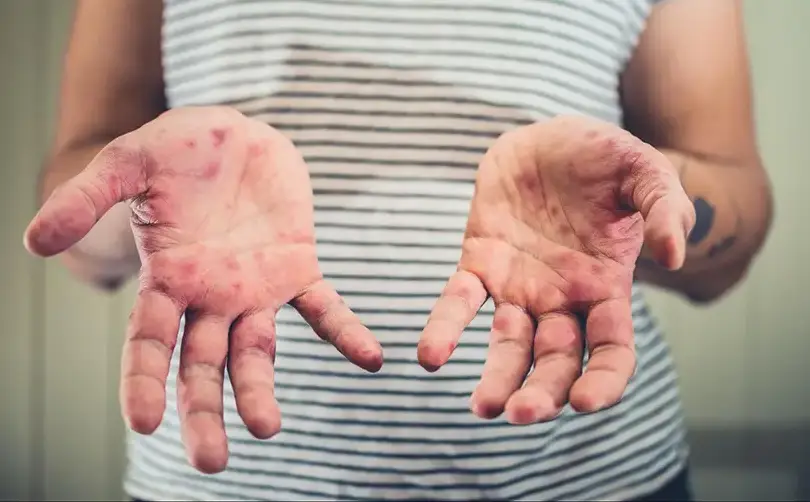
Measles usually begins 10 to 14 days after exposure. Early signs include high fever, cough, runny nose, and red watery eyes. A few days later, a rash appears, starting on the face and moving downward across the body.
If measles is suspected, it is important to call a healthcare provider before visiting a clinic. This allows staff to take precautions and reduce exposure to others.
Early awareness limits spread.
Practical Prevention Measures
Vaccination remains the cornerstone of prevention. But additional steps can reduce risk during outbreaks.
Ensure all eligible family members are vaccinated.
Avoid close contact with individuals who have fever and rash symptoms.
Limit time in crowded indoor spaces during active local outbreaks if you have unvaccinated infants.
Improve indoor air circulation when possible.
Wash hands regularly and cover coughs and sneezes.
Stay informed through reliable public health sources.
These are not extreme measures. They are practical actions grounded in evidence.
Herd Immunity Is a Community Asset
Herd immunity works quietly in the background. When enough people are immune, chains of transmission break. The virus encounters barriers instead of open doors.
When immunity declines, those barriers weaken.
Vaccination protects not only the individual receiving it but also newborns, cancer patients undergoing treatment, transplant recipients, and others who cannot be vaccinated.
Public health is not only about personal risk. It is about shared responsibility.
The Path Forward
The rise in measles cases does not mean the situation is out of control. It does mean attention is required.
History shows that high vaccination coverage can eliminate sustained transmission. The United States achieved this before. It can do so again.
The difference between a contained outbreak and a widespread epidemic often lies in early action.
Check records. Update vaccinations. Share accurate information. Support evidence based health policies.
These steps may seem routine. In reality, they are powerful.
Measles is reminding us of a simple truth. Progress in public health is not permanent. It must be maintained.
In 2026, the data is clear. The choice is ours.