There is a particular silence known only to those who rise at five in the morning when the Central Valley heat has not yet tightened its grip. The air sits at seventy five degrees. The coffee is hot. The river waits. For the anglers of Sacramento, this summer is not about escaping the sun. It is about bearing witness to a return that few believed would happen so soon.
The King is back.
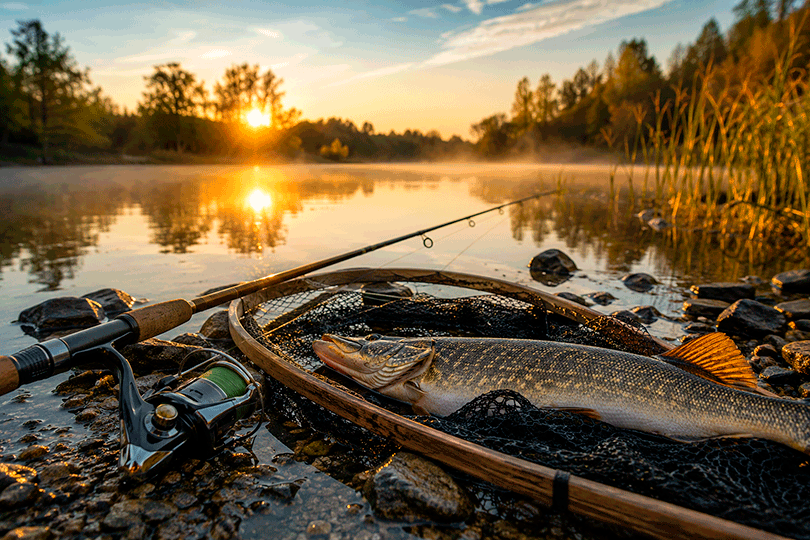
After three years of a complete fishing moratorium, Chinook salmon have been cleared to run again. Starting July 16, on most stretches of the Sacramento River, you may keep two fish per day and no more than four in total. To understand why this matters, you have to remember the drought years. The population collapsed. The rivers ran low and warm. Salmon, which are creatures of precision and memory, could not complete their ancient journey. But California has seen better water years recently. Restoration projects have begun to pay off.
The biologists now estimate that between 250,000 and 300,000 adult Chinook will return this season. That is the strongest projection in recent memory. Most of these fish are four years old. They grew up in the quiet of the ban, untouched by hooks and boats. Their average weight is expected to range from twenty five to thirty five pounds.
Yet salmon alone do not define a Sacramento summer. Heat changes fish behavior. It changes tackle. It changes the rhythm of the day.
Consider the striped bass of the Delta, where the Sacramento and San Joaquin rivers mingle in a labyrinth of sloughs and levees. June and August offer peak activity. The most reliable method is trolling with umbrella rigs or large soft baits along the deep channels. But the real secret, the one whispered among locals, is the tide. The best bite arrives as the water begins to fall, compressing the bass against the levees in water no deeper than six inches. If you move methodically with the warming water, you can intercept two distinct waves of feeding in a single day.
Then there is Folsom Lake, a natural air conditioner carved into the Sierra foothills. The water stays noticeably cooler than the surrounding air. In summer, largemouth and spotted bass retreat to the coves, hiding among flooded trees. Run your bait directly over the branches. The strike, when it comes, is explosive. Local experts rely on senkos and drop shots. For those who prefer depth, small Chinook also patrol the lake at thirty to fifty feet.
Do not overlook the American River Parkway. It offers the peculiar magic of fishing in a city under palm trees. Before the main salmon run intensifies, the American shad bite is excellent. Light spinning rods and bright lures are all you need.
Heat demands strategy. Fish avoid the midday sun with the same urgency as any office worker fleeing a parked car. The windows of opportunity open at dawn and again at dusk. Trout sink into colder layers. Bass seek the shadow of bridges and docks, where the temperature drops by a few precious degrees. If the fish refuse your offering, downsize the bait and slow the retrieve. Summer is a season of conservation for them. It should be a season of patience for you.
A practical note. The Sacramento River is expected to carry high flows this year. Always consult the California Department of Fish and Wildlife website before driving out. And verify that your fishing license is valid. These small acts of preparation separate the disappointed from the triumphant.
This summer will be hot in every sense. The salmon have returned. The Delta pulses with bass. The lake offers shade and trophy fish. The river runs full.
Share this article with the people you want beside you on the water. Real anglers do not hoard knowledge. They pass it to their own.