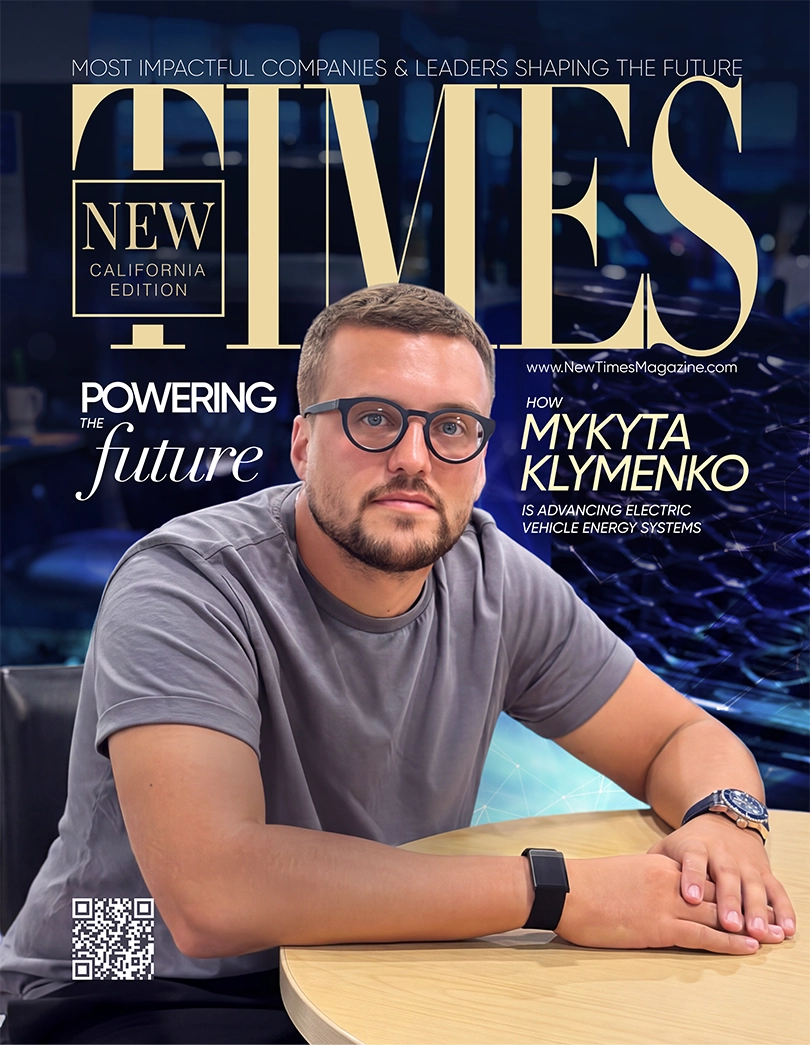
How Mykyta Klymenko Is Advancing Electric Vehicle Energy Systems
As electric vehicles continue transforming the global transportation industry, the reliability, longevity, and performance of battery systems have become critical challenges for manufacturers, service providers, and consumers alike. Behind many of the practical innovations in this field are specialists whose expertise bridges engineering, diagnostics, and real-world implementation. One such expert is Mykyta Klymenko, a specialist in electric vehicle technologies, battery systems, and energy storage solutions. With more than nine years of professional experience spanning both Ukraine and the United States, Klymenko has built a reputation for his work in high-voltage battery diagnostics, battery restoration technologies, energy management systems, and electric mobility infrastructure. His proprietary battery restoration methodology has been recognized by industry professionals, featured in media publications, and incorporated into academic instruction for future engineers.
In this exclusive interview, Mykyta Klymenko discusses his professional journey, technical innovations, and vision for the future of electric transportation.
Mykyta, what initially attracted you to the field of electric vehicle technologies and battery systems?
My interest in electric transportation began long before electric vehicles became widely accepted by consumers. At the time, the industry was still developing, and many people viewed electric vehicles as an experimental alternative rather than a transformative technology. What fascinated me was the fact that transportation, energy storage, software, and electronics were converging into a single ecosystem. Very early in my career, I realized that the battery was the most critical component in that ecosystem. Vehicle performance, operating costs, safety, and long-term sustainability all depend on the effectiveness of battery technology. The challenge of understanding how batteries age, how their performance changes over time, and how their useful life can be extended became a major professional interest for me. As I gained hands-on experience working with electric vehicles, I became increasingly focused on battery diagnostics and restoration. The combination of scientific principles and practical problem-solving made this field particularly rewarding. That interest ultimately developed into a long-term specialization that continues to define my professional work today.
You are recognized for your work with electric vehicle battery systems. What areas have become your primary fields of expertise?
My professional expertise centers on high-voltage battery systems used in electric and hybrid vehicles. Over the years, I have worked extensively with battery diagnostics, failure analysis, performance optimization, repair procedures, and restoration technologies. A significant portion of my work involves evaluating battery degradation and determining how operational factors influence long-term performance. This includes studying charging behavior, module balancing, thermal management, and the interaction between individual battery cells and the broader battery management system. I have also developed substantial expertise in nickel-metal hydride (NiMH) battery technologies. While many industry discussions focus on newer battery chemistries, NiMH systems remain important in numerous vehicle platforms and present unique technical challenges. Understanding their behavior requires practical experience and a detailed knowledge of electrochemical processes. Another major area of specialization involves Battery Management Systems (BMS), which are responsible for monitoring battery health, controlling charging and discharging operations, and maintaining system safety. Effective diagnostics require understanding not only the battery itself but also the electronic systems responsible for managing battery performance. Ultimately, my work focuses on extending battery service life, improving reliability, reducing unnecessary battery replacement, and helping electric vehicle owners maximize the value and performance of their vehicles.
Your battery restoration methodology has attracted significant attention. Can you explain what makes it unique?
The methodology I developed originated from a practical challenge that many electric vehicle specialists encounter. In numerous cases, battery packs are considered unsuitable for continued use even though a significant portion of their capacity remains recoverable. I believed there was an opportunity to approach the problem differently. Through years of testing, observation, and real-world application, I developed a controlled low-current charging and discharging process designed to restore usable battery capacity while minimizing stress on battery cells. The methodology allows for a more accurate evaluation of battery condition and helps identify imbalances that may contribute to reduced performance. What distinguishes this approach is that it is not based solely on laboratory theory. It was developed through practical implementation across a large number of battery systems operating under real-world conditions. The procedures were refined through repeated testing, performance monitoring, and comparative analysis. An important measure of the methodology’s value is its adoption by specialists outside my immediate professional environment. Independent repair facilities and technicians began implementing elements of the approach because they observed measurable improvements in battery performance and diagnostic accuracy. When a technical solution is utilized beyond its original creator or employer, it demonstrates that the methodology offers practical benefits recognized by other professionals in the field. The broader significance of this work extends beyond individual repairs. Extending battery life reduces waste, lowers ownership costs, and contributes to the sustainability goals that drive the growth of electric transportation worldwide.
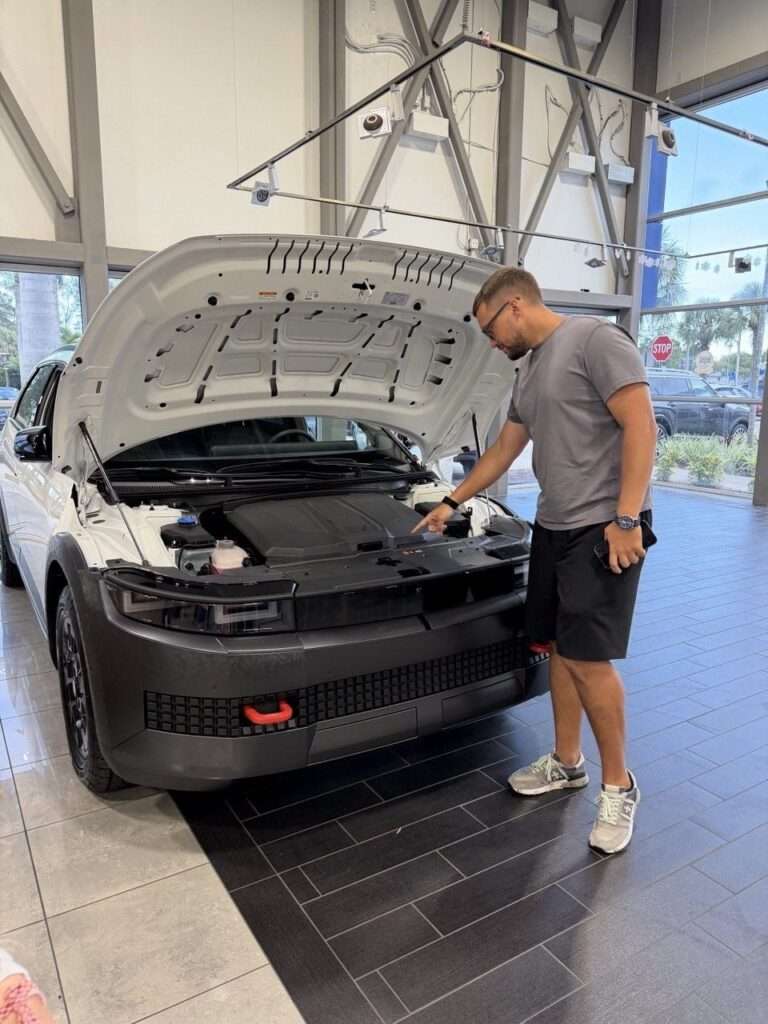
Your work was featured by TSN.ua. Why was that publication important?
The publication provided an opportunity to bring specialized technical knowledge to a broader audience. Much of the discussion surrounding electric vehicles focuses on adoption rates, charging infrastructure, or vehicle performance. Comparatively little attention is given to battery restoration and the practical methods that can help extend battery life. The article highlighted restoration techniques and explained why accurate diagnostics are critical for evaluating battery condition. It helped demonstrate that declining battery performance does not automatically mean complete replacement is necessary. From my perspective, the publication was valuable because it helped increase public awareness of sustainable battery management practices and introduced readers to technical solutions that were previously discussed primarily within professional circles.
You have worked both in Ukraine and the United States. How has this international experience shaped your professional perspective?
Working in both countries has provided a unique opportunity to observe how electric mobility develops under very different conditions. In Ukraine, the electric vehicle sector expanded rapidly during its early growth phase. Specialists often needed to solve technical challenges with limited resources, which encouraged creativity, efficiency, and a strong focus on practical engineering solutions. Many of the diagnostic and restoration approaches that I later refined were developed during this period. The United States offers a different environment. The market operates on a larger scale, infrastructure is more developed, and the industry benefits from extensive investment and technological advancement. At the same time, customer expectations, regulatory requirements, and operational standards can be more complex.
Experiencing both markets allowed me to develop a broader perspective on battery technologies, service operations, and industry trends. It also reinforced my belief that innovation often emerges from practical problem-solving rather than from access to resources alone. The ability to combine lessons learned from different markets has strengthened both my technical capabilities and my business leadership.
Tell us about your leadership roles within the electric vehicle industry.
My leadership journey developed naturally as my technical responsibilities expanded. Early in my career, I focused primarily on diagnostics, repairs, and vehicle evaluations. Over time, I became increasingly involved in process development, team coordination, and operational decision-making. At Simon Technology, I worked as a Technical Specialist for Electric Vehicles and Import Operations. This position provided valuable experience in vehicle assessment, technical analysis, and understanding the business aspects of the electric vehicle market. Later, I served as Head of Battery Repair and Diagnostics at Let Buy Car. In that role, I was responsible for overseeing diagnostic procedures, developing technical workflows, improving service quality, and helping establish standards for battery restoration operations. After relocating to the United States, I expanded my activities into entrepreneurship. As the owner of 67 Cars LLC and ST US Inc., I have combined technical expertise with business leadership. These companies operate within the electric vehicle sector and allow me to apply both engineering knowledge and strategic management skills. Leadership in a highly technical industry requires more than technical competence. It involves creating systems, training personnel, implementing quality standards, and making decisions that support long-term growth. My experience has allowed me to develop in each of these areas while remaining actively involved in the technical work that originally inspired my career.
Your work has also reached academia. How did that collaboration develop?
The academic collaboration emerged as a direct result of the practical success of my battery diagnostic and restoration methodologies. As electric vehicle technologies became increasingly important within engineering education, academic institutions began seeking ways to expose students to real-world industry practices. Faculty members at the Department of Electronics of the Prydniprovska State Academy of Civil Engineering and Architecture recognized that practical battery diagnostics represented an area where industry expertise could provide significant educational value. As a result, technical guidelines that I authored for battery diagnostics and maintenance were incorporated into the educational process. This integration allowed students to study methodologies developed through real-world application rather than relying exclusively on theoretical models. The goal was to help future engineers better understand how modern battery systems are evaluated, maintained, and restored in professional practice. My involvement later expanded when I was invited to serve as a member of the commission evaluating master’s degree projects within the Department of Electronics. This responsibility included reviewing research, assessing technical work, and providing professional feedback to graduate students preparing to enter engineering and technology fields. For me, this academic contribution is particularly meaningful because it extends the impact of my work beyond commercial operations. Knowledge transfer is one of the most effective ways to contribute to long-term industry development. By sharing practical expertise with future engineers, professionals help strengthen the capabilities of the next generation.
Why is the connection between industry and academia so important in rapidly developing fields like electric mobility?
Electric mobility is evolving at an extraordinary pace. New battery technologies, energy storage systems, software platforms, and vehicle architectures are constantly being introduced. In such an environment, collaboration between industry and academia becomes essential. Academic institutions provide scientific research, analytical rigor, and long-term investigation into emerging technologies. Industry contributes practical experience, operational knowledge, and direct exposure to real-world challenges. When these perspectives are combined, innovation accelerates. Students benefit because they gain exposure to technologies and methodologies currently used in the marketplace. Businesses benefit because educational institutions help prepare future specialists with relevant skills and knowledge. Society benefits because technological progress occurs more efficiently when research and practice work together. This relationship becomes particularly important in electric transportation because the field depends on advances across multiple disciplines, including electronics, energy storage, software engineering, and environmental sustainability.
You are also a member of AVERE Ukraine. What role do professional organizations play in industry development?
Professional organizations serve as important platforms for collaboration, information exchange, and industry advancement. Organizations such as AVERE Ukraine bring together specialists, researchers, business leaders, policymakers, and technology developers who share a common interest in advancing electric mobility. These connections create opportunities to exchange knowledge, discuss emerging technologies, and identify solutions to common challenges. Membership also provides access to broader industry discussions regarding infrastructure development, regulatory frameworks, market trends, and technological innovation. In rapidly evolving sectors, maintaining connections with other professionals is essential for staying informed and contributing effectively. Beyond networking, professional organizations help establish a collective vision for the future of the industry. They create environments where individual expertise can contribute to larger initiatives that benefit the entire electric mobility ecosystem.
What do you see as the most important challenges facing the future of electric transportation?
Battery longevity remains one of the most significant challenges facing the industry. While battery technology has improved substantially, extending service life and maximizing resource utilization will continue to be critical priorities. Another major challenge involves large-scale energy storage. As electric vehicle adoption increases, the relationship between transportation systems and electrical infrastructure becomes increasingly important. Effective energy storage solutions will play a major role in supporting grid stability and renewable energy integration.
Thermal management, predictive diagnostics, and battery management technologies will also become increasingly important. Future systems must be capable of identifying potential issues before they affect performance or safety. At the same time, sustainability must remain a central focus. The industry must continue improving battery recycling, resource efficiency, and lifecycle management practices. In my view, the future of electric mobility will depend not only on creating better batteries but also on using existing batteries more effectively throughout their operational lifespan.
What motivates you as you continue your work in this field?
What motivates me most is the opportunity to contribute to a technology that is reshaping transportation on a global scale.
Electric mobility is influencing how societies use energy, how cities address environmental challenges, and how consumers think about transportation. Being part of that transformation is both professionally rewarding and intellectually stimulating. I also enjoy solving complex technical problems. Every battery system presents unique challenges, and finding effective solutions requires a combination of analytical thinking, practical experience, and continuous learning. The field evolves constantly, which means there is always an opportunity to improve existing methods and develop new approaches. Equally important is the opportunity to share knowledge. Whether through industry collaboration, technical publications, educational activities, or mentoring future specialists, I believe that expertise becomes most valuable when it contributes to the growth of others and to the advancement of the profession as a whole.
•••
Editor’s Closing Remarks
Experts who combine technical innovation, practical implementation, academic contribution, and international industry experience are relatively rare. Through his work in battery diagnostics, restoration methodologies, energy storage systems, and electric vehicle technologies, Mykyta Klymenko has established himself as a recognized specialist whose influence extends beyond individual companies and projects. His contributions to industry practice, professional education, and the advancement of electric mobility demonstrate the type of expertise that continues to shape the future of transportation.
Professional Contact Information
Mykyta Klymenko
Electric Vehicle & Battery Systems Expert
Founder & CEO, 67 Cars LLC
Owner & Certified Florida Dealer, ST US Inc.
67 CARS LLC
2144 Johnson Str , Hollywood, FL, 33023
(305) 462-9080
Email: mk@67carsllc.com
Website: 67carsllc.com