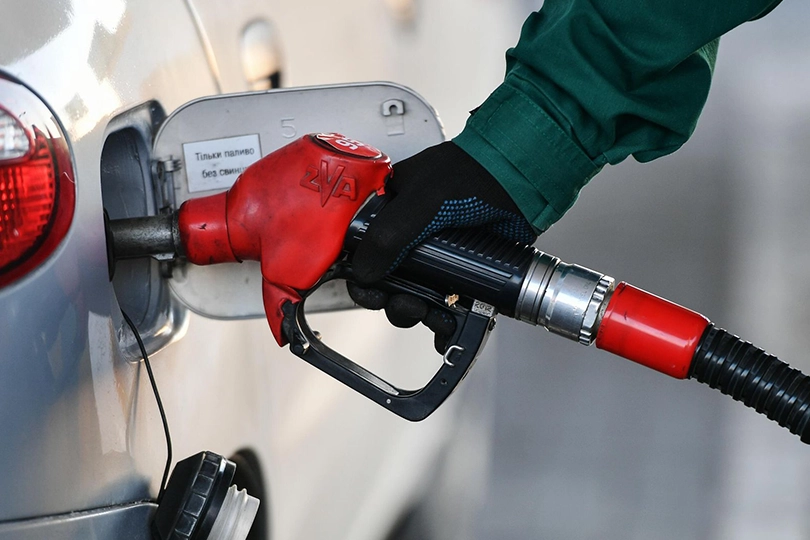
If you live in California, you already know this pain. When the rest of the country breathes a sigh of relief that gas has dropped to $4 a gallon, you look at the price sign at the pump and think: “Where’s my $4?”
And here we go again. Brent crude has broken through $100 a barrel again due to escalating conflict in the Middle East. The American Automobile Association (AAA) reports: the average price of a gallon of regular gasoline in California is $5.57. That’s 17 cents more than a week ago.
While the average price in other states is $4.06, California is paying a dollar and a half more. In some Bay Area counties, it’s even higher. In San Francisco $5.58. In Mono County, on the border with Nevada a whopping $6.70.
We’re paying more than anyone else in the country. By a long shot. And this is just the beginning.
Why Is It So Expensive in California? Four Reasons
First. We depend on imported oil. California has few of its own oil refineries. Their number has dropped from 23 in 2000 to 12 today, and by May 2026, only 11 will remain. Two refineries that supplied nearly 20% of the state’s gasoline are shutting down. And when global prices rise, we feel it faster and harder because 60% of the oil for California refineries comes from abroad.
Second. Taxes. As of July 1, 2026, California’s gas tax rose to 63.4 cents per gallon. For comparison: in most states, it’s about half that. Add the federal tax and other fees, and Californians pay about 90 cents in taxes on every gallon. This decision was made earlier, but right now it’s compounding a global crisis.
Third. Environmental requirements. California fuel is special it costs more to produce. The state requires a specific gasoline blend to reduce air pollution. It burns cleaner, but requires more processing steps and expensive components. The state’s environmental programs add up to 54 cents per gallon to the price.
Fourth. An isolated market. California is geographically cut off from other U.S. refining centers. There are no pipelines across the Rocky Mountains. Only a limited number of supplies from the Gulf Coast. We import gasoline from India and South Korea, but high shipping costs usually limit imports. This means that at the slightest disruption, prices spike instantly.
What Does This Mean for Your Wallet?
The average price per gallon is $5.57. If you have a standard 15-gallon tank, a full fill-up now costs about $84. Last year, you were paying a dollar less per gallon $4.57. That adds up to $20–30 a month just on gas.
And then it snowballs. Diesel gets more expensive, food delivery gets more expensive. Companies don’t wait they immediately pass the costs on to the consumer. Imported goods are getting more expensive due to rising freight rates. School supplies, fresh vegetables, dairy all of this is already starting to rise in price.
When Will This End?
No one knows. Analysts don’t expect a quick drop. The Strait of Hormuz, through which 20 percent of the world’s oil passes, is effectively paralyzed. Trump promises that prices will soon return to record lows. But Californians have heard this before.
And in the meantime, we’re paying $5.57 a gallon and watching the news talk about $4.06 nationally.
And we think: “Where’s the justice?”
Because the California wallet doesn’t feel $4.06. It feels $5.57. And this blow to the budget isn’t just a line in the news. It’s your reality.
And unfortunately, it could get even more expensive.