Dr. Devon Graves on affordability, workforce development, artificial intelligence and why he is running for the Los Rios Community College District Board of Trustees
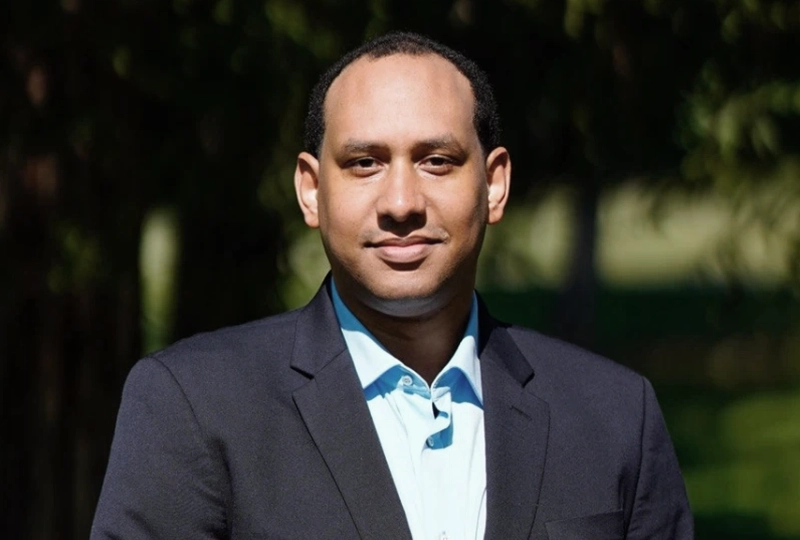
For Dr. Devon Graves, community colleges are not simply educational institutions. They are gateways to economic mobility, workforce development and opportunity for families who might otherwise find higher education out of reach. A first generation college graduate, Graves earned his Ph.D. in Education from UCLA at age 26 and has built a career around higher education policy, governance and student advocacy. His experience includes service as Student Regent on the University of California Board of Regents, two appointments to the California Student Aid Commission, federal higher education policy work and teaching future community college leaders. Now Graves is running for the Los Rios Community College District Board of Trustees in Area 1, which includes communities such as North Sacramento, Del Paso Heights, Natomas, North Highlands, Rio Linda and McClellan.
New Times Magazine spoke with Dr. Graves about why he is running, what he believes Los Rios can improve and how community colleges must respond to affordability challenges, workforce shortages and the rapid emergence of artificial intelligence.

Dr. Graves, you grew up in Southern California. How did your path eventually bring you to Sacramento and to this campaign?
I was born and raised in Southern California and was the first person in my family to complete college. I attended Cal Poly Pomona, where I became involved in student leadership and higher education advocacy. I wanted to understand not only education itself, but also the history and policies behind our higher education system. That led me to UCLA, where I earned my Ph.D. in Education with an emphasis in community colleges. I finished my doctorate at 26. After graduate school, I had an opportunity to work at the California Community Colleges Chancellor’s Office. That allowed me to understand community colleges from a statewide perspective and see the different districts and the work being done across California. I later became a faculty member at CSU Stanislaus, teaching in a community college leadership doctoral program. Today, I am on the faculty at North Carolina State University, where I work with Ed.D. and Ph.D. students who are researching and preparing to lead community colleges. Higher education is not something I suddenly became interested in because I decided to run for office. This has been my professional life.
You have also served on major higher education governing bodies. How does that experience prepare you for Los Rios?
I served as Student Regent on the University of California Board of Regents and was appointed twice by Governor Jerry Brown to the California Student Aid Commission. At the Student Aid Commission, I worked on issues involving Cal Grants, the Middle Class Scholarship, the California Dream Act and financial aid access. I have also worked at the federal level. I served as a negotiator in the U.S. Department of Education’s rulemaking process and worked on student loan repayment policy. These experiences taught me what it means to sit at a governing table, read policy and regulatory language, build coalitions and turn ideas into actual programs. That is important because governing is different from campaigning. You have to understand how policy is implemented, how funding works and how to bring people together to accomplish something.
Why are you running specifically for the Los Rios Community College District Board of Trustees?
Area 1 is a large and diverse community. It includes North Sacramento, Del Paso Heights, Natomas, North Highlands, Rio Linda and McClellan. Community colleges play an essential role in these communities. They can be a stepping stone into higher education. They provide English as a Second Language programs, transfer pathways, workforce development and career technical education.
People should understand that they have an elected representative on the Board of Trustees whom they can hold accountable. As a trustee, part of my responsibility would be communicating with constituents and making sure the district is responding to the needs of the communities it serves.
What are the three major areas where you believe Los Rios can improve?
The first is affordability. There is a misconception that because community college is considered the affordable option, affordability is no longer a problem. But students are still struggling with transportation, books, housing and the overall cost of living. We need to improve access to financial aid and scholarships and make sure students understand the resources already available to them.
The second area is supporting our educators and staff. These are the people working directly with students every day. We need to look seriously at compensation, benefits and the conditions facing both full time and part time faculty and classified employees.
The third area is workforce development. We need to make sure the programs we offer actually connect students with jobs that are in demand and provide livable wages.
Let’s start with affordability. What specifically can Los Rios do differently?
One immediate opportunity is being more proactive about helping students complete the FAFSA or California Dream Act application. Not every student applies for financial aid. Some students assume community college is affordable enough that they do not need to apply. Others may be adult learners who are no longer connected to a high school counselor or another support system that would normally guide them through the process.
The college should be proactive and say, “Let’s see what you are eligible for.”
Students may be leaving money on the table simply because they do not know what assistance is available. Affordability is not only about keeping tuition low. It is about making sure students can actually afford to remain enrolled and complete their education.
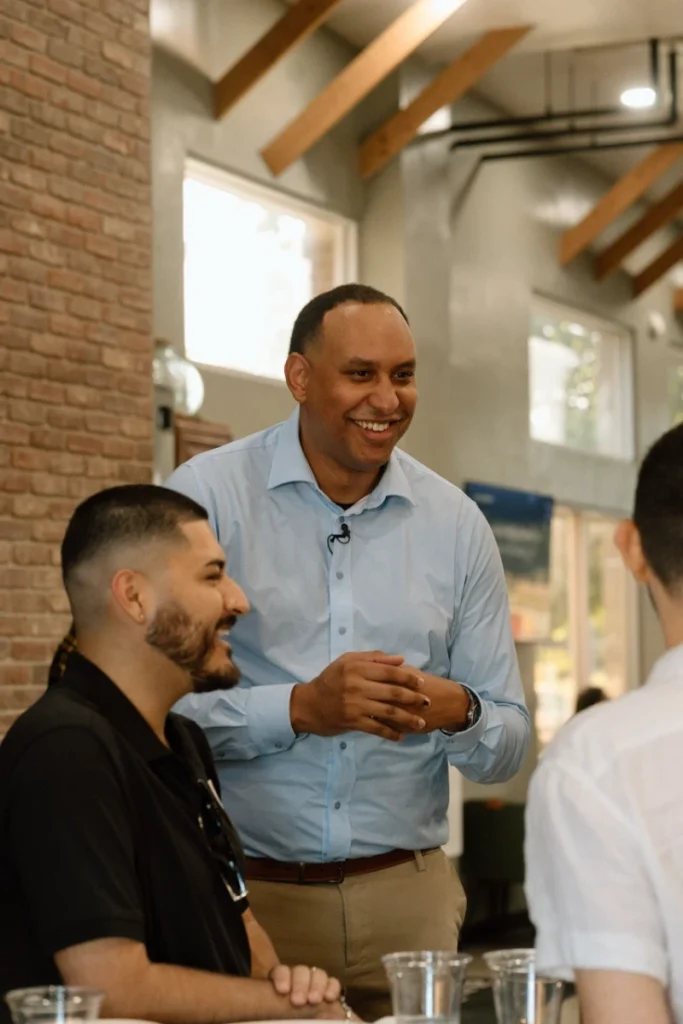
Your second priority is faculty and staff. What concerns you there?
We need to support the people who are supporting our students. Part time faculty make up a significant part of the instructional workforce, and many adjunct faculty members work at multiple districts to put together the equivalent of full time employment. We need to look at compensation and benefits and ask what can be done differently. That can also mean working across district boundaries. We have neighboring community college districts, and faculty sometimes teach across multiple districts. There may be opportunities to collaborate on benefits or support services rather than operating entirely in silos. We should also examine practical issues such as transportation and other costs affecting employees. If educators and staff feel supported, they are in a stronger position to give their best to students.
But additional compensation and services require money. Where can that funding come from?
That is where understanding the state funding system becomes important. Community colleges receive public funding through California’s budget process, including funding connected to Proposition 98. But one of the challenges is the difference between one time funding and ongoing funding. It is difficult to make long term commitments when money is available for only one or two years. That means advocacy matters. Los Rios is located in the state capital. We should be building strong relationships with legislators and making the case for investments that can be sustained over time. We also have new district leadership. Chancellor Torence Powell began in July, and this creates an opportunity to build relationships and think strategically about the district’s future.
Can the broader Sacramento community help, or is this primarily an issue for state government?
The community absolutely has a role. The Los Rios Colleges Foundation creates opportunities for companies, organizations and individuals to invest directly in students, including scholarships.
We should also be working with county government, city governments, employers and community organizations. Take healthcare as an example. If the region knows it will need more nurses or certified nursing assistants, our colleges should understand those projections and make sure our programs are aligned with that demand. The same applies to construction, technology and other industries. These relationships matter because community colleges should not operate in isolation from the economy and communities around them.
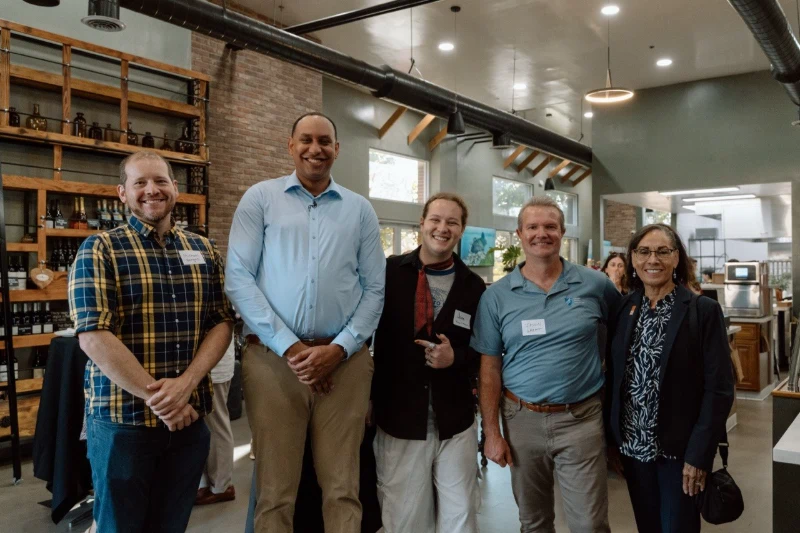
What role can media organizations and community leaders play?
Awareness is extremely important. I do not think we have communicated the economic benefit of community colleges as effectively as we could. These are public institutions supported by taxpayers. Someone may never personally attend American River College or Sacramento City College, but they still benefit from the people those colleges educate. The nurse who graduates and goes to work at a local hospital benefits the entire community. The paralegal who graduates and works in our legal system contributes to the regional economy. Our students become the people who keep this region moving forward. Media can help tell that story and help the public understand that investing in community colleges is an investment in the entire region.
Workforce development is your third major priority. What needs to change?
We have to make sure our programs reflect actual workforce demand. Look at Area 1. Communities such as Natomas and Rio Linda continue to see development. That creates demand in construction and the building trades. We also have needs in healthcare, technology, fire services, law enforcement and many other areas. The colleges need strong relationships with industry, local government and apprenticeship programs. We should not simply create programs because they sound interesting. When we invest in curriculum and new programs, there should be a clear justification based on the needs of the region. Most importantly, students should be completing programs that lead to livable wage jobs. We want students to be able to study here, build careers here and afford to remain in the communities where they were educated.
Artificial intelligence is rapidly changing the labor market. What does that mean for community colleges?
It means we cannot become complacent. We have to constantly assess and evaluate our programs. Look at what is happening in Rancho Cordova, where there is significant interest in attracting artificial intelligence companies and developing an AI focused economy. If employers are moving in that direction, our colleges need to ask whether we are preparing enough students for those opportunities. If an innovative program exists at one college, we should also be asking whether there is demand to expand similar opportunities elsewhere in the district. Artificial intelligence is a good example of why community colleges have to pay attention to economic trends and respond quickly.
You mentioned healthcare as another example of the gap between student demand and available capacity.
Nursing is a very clear example. There are students who want to enter nursing programs, but there are not always enough seats available. Some of those students then go to more expensive private or for profit institutions and take on significant debt. My wife was fortunate to attend community college and earn an affordable nursing degree. She was able to enter a well paying career without student loan debt. That opportunity should be available to more people. When we know there is both student demand and workforce demand, the district has to examine whether we have enough faculty, classrooms and program capacity. We cannot simply accept that there are not enough seats. We have to continually evaluate where resources should be directed.
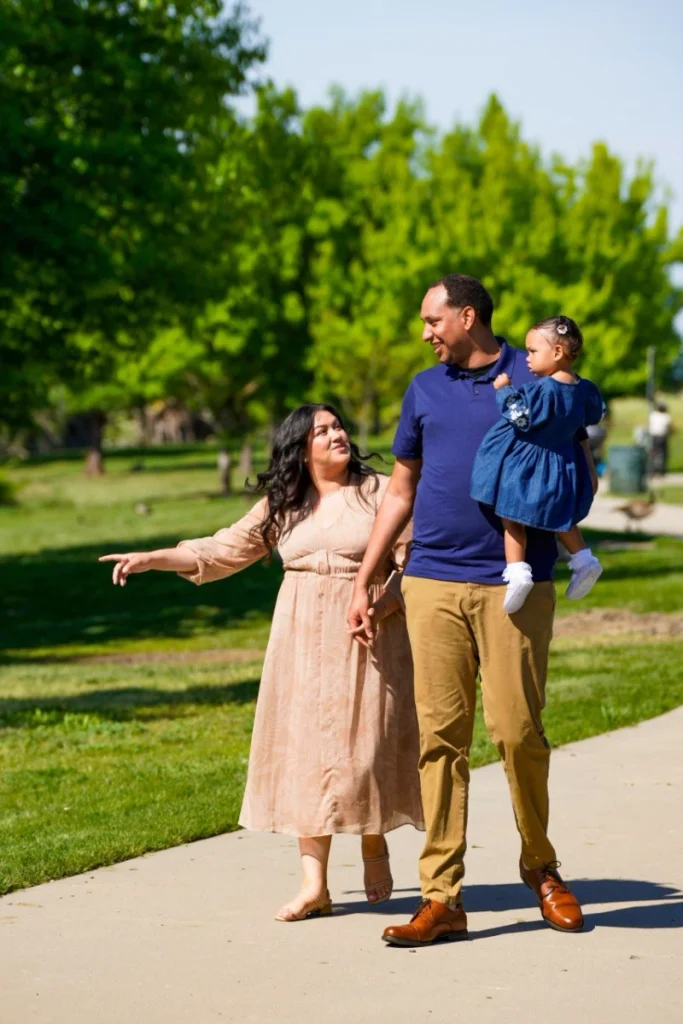
You have dealt with student debt and affordability at both the state and federal levels. How does that experience influence your approach?
I have worked directly on these issues. At the U.S.
Department of Education, I participated in the regulatory process involving student loan repayment. I know what it is like to sit at the table, read regulatory language and represent consumers in discussions about repayment options. At the California Student Aid Commission, I worked with financial aid programs and saw how new programs move from policy ideas into implementation. When I served on the UC Board of Regents, students were dealing with food and housing insecurity. Many UC campuses are located in some of the most expensive communities in California. I helped create a special committee focused on basic needs and worked on efforts to secure funding to address food and housing insecurity. Those experiences taught me that change requires coalition building. You have to understand the system, identify the problem and then bring together the people who can actually help solve it.
What is your central message to the residents of Area 1?
This is a student centered campaign. Everything I want to do on the Los Rios Board of Trustees comes back to students. Students should know that community college can be an affordable pathway. They should have educators and staff who are supported and able to give them their best. And when students complete a degree or career program, that education should lead to meaningful employment and a livable wage. Every decision I make as a trustee would come back to one question: How does this best support our students? I want to be a strong student advocate on the Los Rios Community College District Board of Trustees.
How can students, families and community members become involved in your campaign?
First, help spread the word. Share information on social media and talk to your friends, family and neighbors. I also want people to reach out to me about issues I may not know about. I welcome feedback and conversations about what is happening in our colleges and communities. We also need volunteers. Area 1 covers a lot of ground, so people who can knock on doors, make calls or help communicate with voters can make a real difference. And, of course, campaigns cost money. Contributions help us communicate with voters throughout a very large district. But participation itself is important. Local races are an opportunity for people to have a direct voice in the institutions serving their communities.
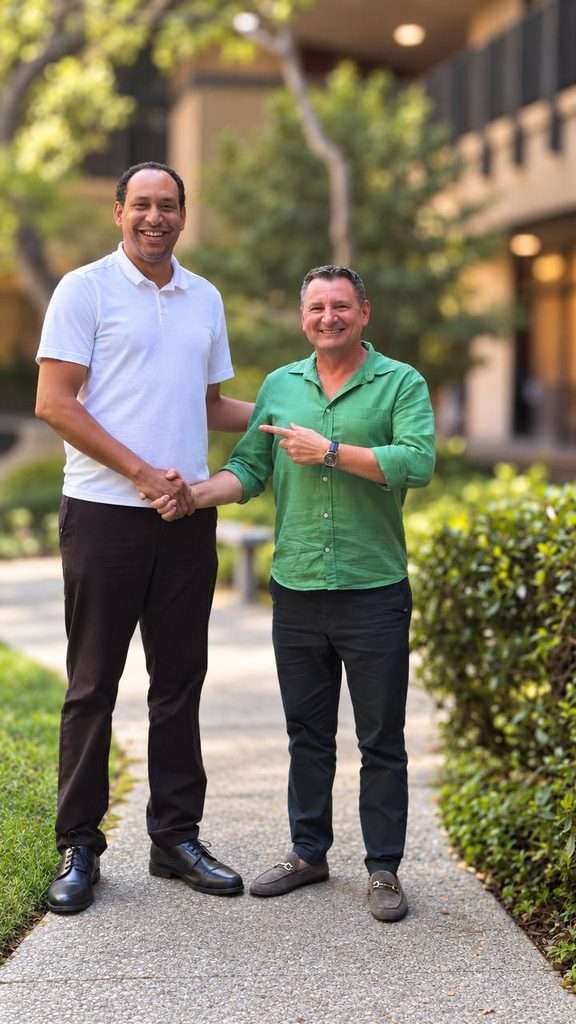
What is the best way for people to contact you?
People can reach me through social media at Devon4LosRios, or email me at Devon@Devon4LosRios.com. I welcome conversations about the future of our community colleges.
*****
CONTACT
Dr. Devon Graves
Candidate for Los Rios Community College District Board of Trustees, Area 1
Phone: (951) 970-7815
Email: Devon@Devon4LosRios.com
Social Media: @Devon4LosRios