Joshua Wood’s Vision to Transform Rancho Cordova into Northern California’s Next Sports and Entertainment Destination
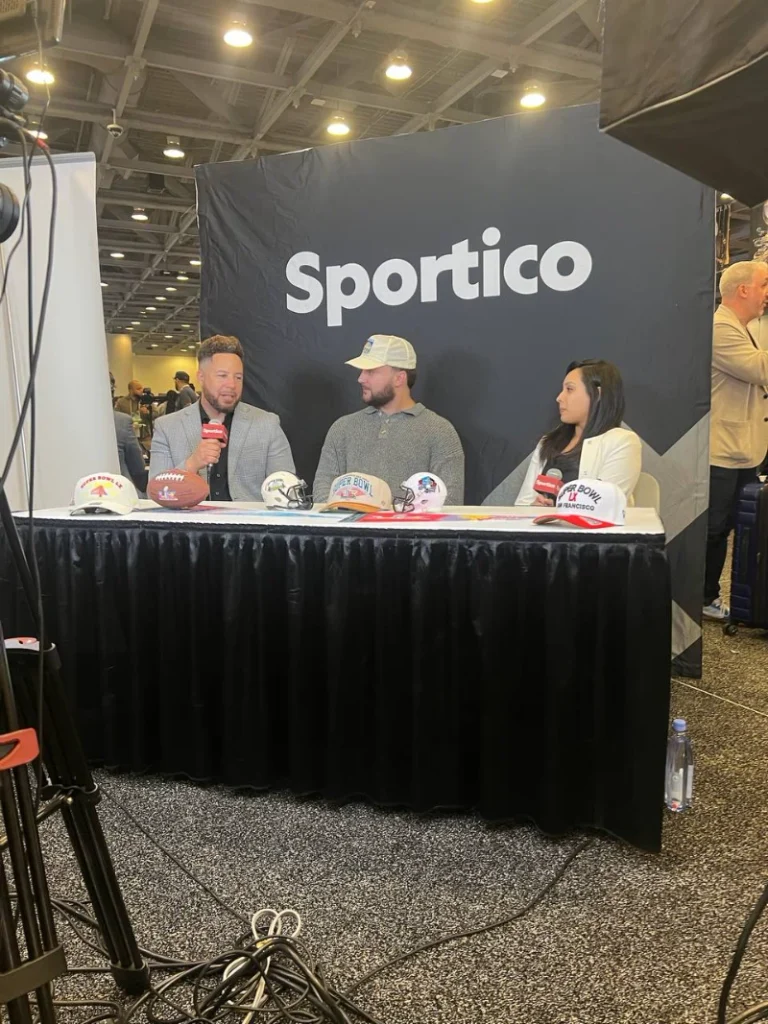
For decades, cities across America have used sports and entertainment districts as catalysts for economic growth, civic identity, and long term investment. Now, Rancho Cordova stands at the center of a bold new proposal that could reshape the region’s future. Leading the initiative are KozPure Co Founders Joshua Wood, CEO, and Charanjeet “Charlie” Tiwana Purewal, President. Through the DOVA project, they are proposing far more than a new arena. Their vision includes a 7,500 seat state of the art venue, professional arena soccer, hospitality developments, residential opportunities, entertainment experiences, and a vibrant city center projected to create 38,000 jobs and designed to become a gathering place for residents, visitors, families, and businesses. Drawing on Wood’s experience as one of the Sacramento region’s leading development strategists, the team is working to create a destination that can shape the next chapter of Rancho Cordova for generations to come. The project arrives with significant momentum. Over the past several months, DOVA has generated extensive media attention, including coverage from national sports business outlets such as Sports Business Journal and Sportico. Supporters believe the project has the potential to create jobs, stimulate private investment, expand tourism, and elevate Rancho Cordova’s profile on both the regional and national stage. At its core, DOVA represents an ambitious question: Can Rancho Cordova create a new downtown for the region and build a new identity around sports, entertainment, technology, business development, and community engagement? Joshua Wood believes the answer is emphatically yes, and he is betting on Rancho Cordova to become the region’s next major success story.
To discuss the vision behind DOVA and what this ambitious project could mean for the future of Rancho Cordova and the greater Sacramento region, New Times Magazine Publisher Sergey Ivannikov met with Joshua Wood for an exclusive interview.
Joshua, what inspired the creation of DOVA, and why Rancho Cordova?
I lived here during parts of college and had the opportunity to watch Rancho Cordova become a city in 2003. Later, my wife and I moved here and raised our family here. We came to understand something our neighbors already knew very well: our city does not really have a central gathering place, a downtown where the community can come together. That became one of the biggest inspirations for DOVA. We wanted to create something that could serve that purpose for Rancho Cordova. Another important moment came from an economic study I saw while leading the campaign to expand the convention center in downtown Sacramento. The study showed that Rancho Cordova could support a major event center. That caught my attention because it confirmed something I had already begun to believe about the city’s potential. Then there was a conversation with former City Manager Cyrus Abhar that really stuck with me. I had already worked on the Kings arena and was leading the Sky River Casino effort when he said to me, “You’re doing these amazing projects in the rest of the region. What are you doing for the city you live in?”That question stayed with me. DOVA became our answer.
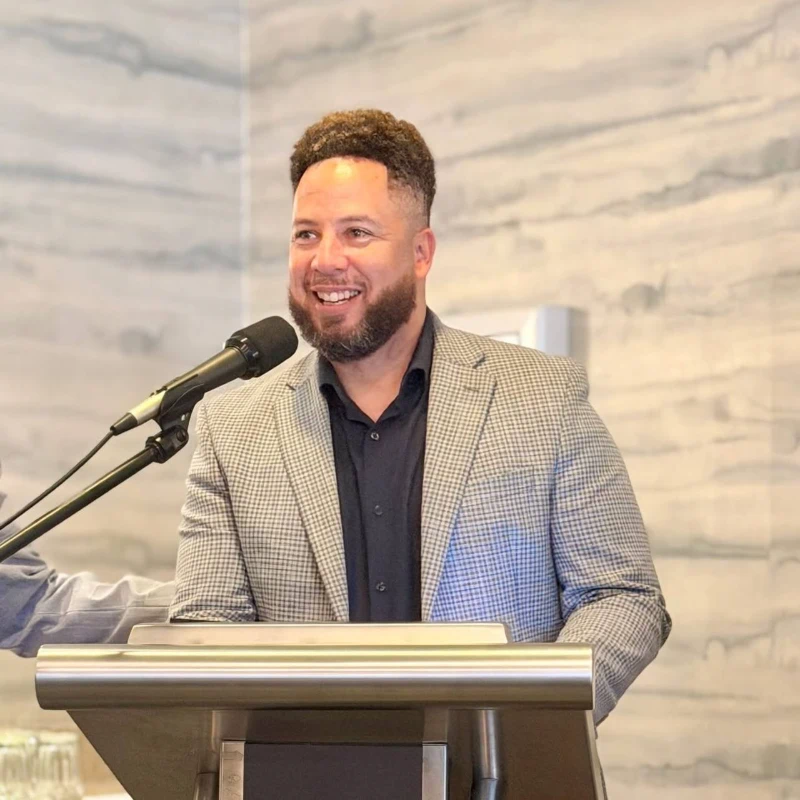
Many people see DOVA as simply an arena project. How would you describe it?
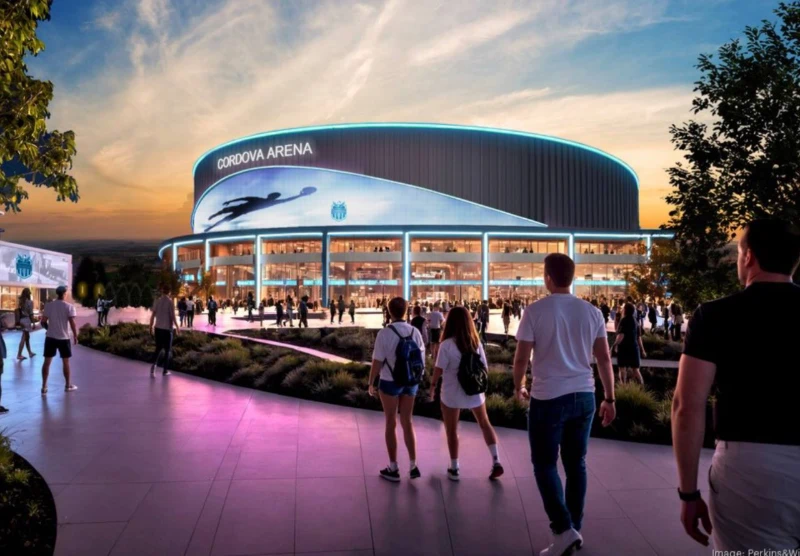
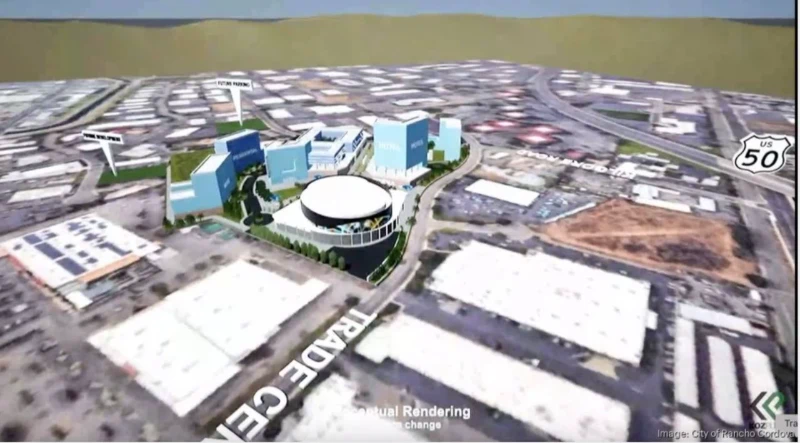
Downtown Dova is intended to become the new downtown city center of the Sacramento Cordova region. Once metropolitan regions reach a certain size, they often develop a second major urban center. You can look at Dallas and Fort Worth, Minneapolis and St. Paul, Seattle and Tacoma, or Los Angeles and Anaheim. Frequently, one city remains more closely associated with government and traditional institutions while another evolves into a newer center for entertainment, technology, business, and lifestyle. That is the opportunity we see for Rancho Cordova. The arena is the catalyst. It is what initially gets people’s attention, but it is really only the starting point. Downtown Dova is envisioned as a sports anchored mixed use district with an arena, public plaza, hotels, residences, restaurants, retail, entertainment, and gathering spaces. We describe it as a theme park without walls. Everyone is welcome, but when you arrive, you immediately know you are somewhere different. Someone might come for a soccer match or a concert, but they can also have dinner with friends, spend time in the plaza, shop, meet people, or simply enjoy the district on a night when there is nothing happening inside the arena. That everyday activity is what turns a collection of buildings into a real downtown.
We also see Rancho Cordova as the leading city of what I call the Dream Belt. Folsom, Rancho Cordova, and other parts of eastern Sacramento County are becoming increasingly important centers for technology, semiconductors, data, and advanced industries. Rancho Cordova sits at the geographic and employment center of much of that growth. We have an opportunity to urbanize intelligently and create a destination where people do not simply come to work, but choose to stay, live, eat, socialize, and build their lives.
What makes the proposed Cordova Arena unique?
We are developing one of the first arenas being conceived in the era of artificial intelligence, and that creates opportunities that simply did not exist when many existing venues were designed. We are looking at how technology can make the entire experience more personalized, more efficient, and more engaging, from the moment someone arrives until the moment they leave. At the same time, the physical experience matters just as much. The arena is designed around approximately 7,500 seats, creating a more intimate environment than a massive traditional arena. We want it to feel premium without becoming inaccessible to families. Our goal is to create a luxury level experience that can still remain affordable enough for ordinary families to attend events together. The venue will be able to host professional soccer, concerts, family entertainment, and other sporting events that we look forward to announcing as the project progresses. The goal is not simply to build another arena. We want to create an arena that feels different and that reflects where entertainment is going next.
How important is professional soccer to the DOVA vision?
We believe arena soccer has the potential to become a much larger national sport in a relatively short period of time. It is fast, physical, high scoring, and easy to follow. It solves some of the things that have historically made traditional soccer more difficult for certain American audiences to embrace. Because there are fewer players and a tighter playing environment, athletes cannot simply specialize in offense or defense. Like basketball, you have to play both directions. You have to defend, transition, create opportunities, and score. There is also a level of physicality that reminds me of basketball in the 1990s. The games are intense. They are high scoring. They do not end in ties. There is no offsides rule slowing down the action. I think it has the ability to connect with several audiences at the same time. You have soccer purists who already understand the game, younger audiences who want speed and constant action, and families looking for an exciting live entertainment experience. For DOVA, soccer becomes more than just an anchor tenant. It becomes part of the identity and energy of the district.
The project has generated a great deal of attention throughout the region. Why do you think people are responding to it?
I think people recognize both the scale of the opportunity and the timing. Rancho Cordova has grown tremendously, but it has never really had a physical center that represents that growth. Downtown Dova gives people something they can see, experience, and identify with. Rancho Cordova is an incredible city, but for a long time it has been overlooked and underappreciated. When we first started discussing the project, people constantly asked us, “Why Rancho Cordova?” For me, the project is part of the answer to that question. People outside the city do not always know what residents know. Rancho Cordova has become one of the safest and cleanest communities in the region for families. It has also developed into a major employment center. That economic shift has moved a significant amount of regional activity eastward, directly toward the area where Dova will be located. I also believe the project has attracted attention because of its ambition. When we first started, people would tell us, “That’s very ambitious,” and often they meant it as a polite way of saying they did not believe it could happen. Now, through the partnership with the city, careful strategy, and years of work, we are turning that ambitious idea into something tangible. I think people are starting to see that this is not simply a concept on paper anymore.
Some residents are concerned about traffic and infrastructure. How do you respond to those concerns?
As a resident myself, I take those concerns very seriously. Traffic, parking, infrastructure, public safety, and circulation are legitimate issues for any development of this scale. They have been part of our planning from the beginning. Our engineering, transportation, and operations teams are studying roadway access, parking capacity, how vehicles enter and leave the site, pedestrian movement, public safety, and the overall flow of people through the district. The mixed use design also changes how guests interact with the area compared with a standalone arena. If everyone arrives fifteen minutes before an event and leaves the moment it ends, you create enormous pressure during very short windows of time. But in a mixed use district, people may arrive early for dinner, spend time in the plaza, shop, or stay afterward for drinks or entertainment. That spreads activity across a longer period. Of course, that does not eliminate the need for serious transportation planning. It simply gives us more tools. The project has to work for guests, but it also has to work for the people who live and operate businesses around it every day.
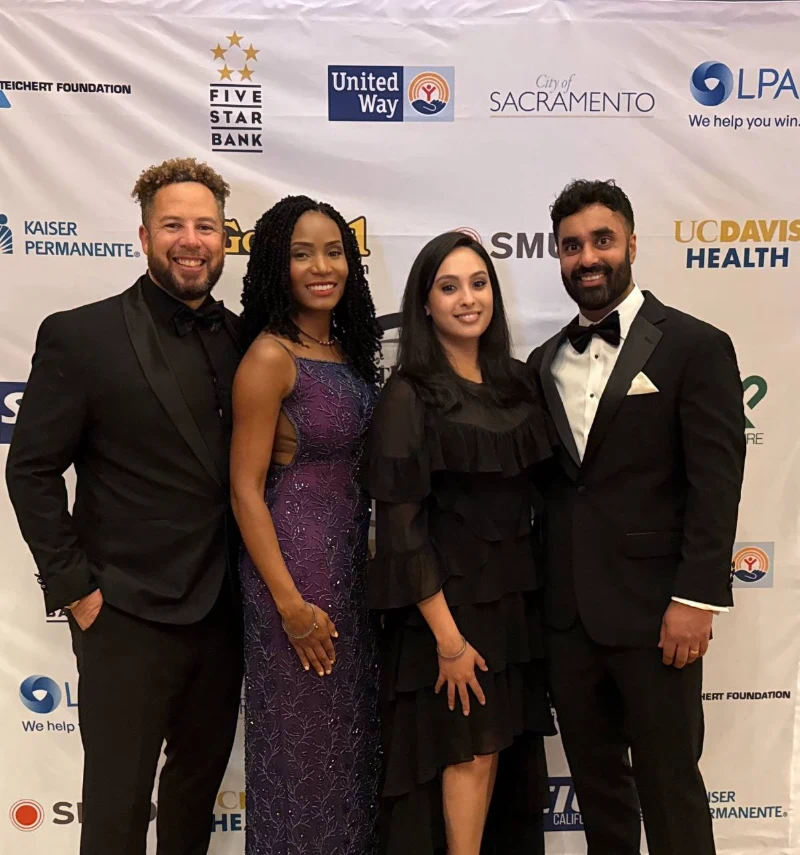
Your career has included involvement with major regional projects such as Golden 1 Center. What lessons have you learned from those experiences?
I have been very fortunate in my career. I helped co lead fundraising for The WELL at Sacramento State, served as executive director of the campaign for the Kings arena, worked as one of the lead consultants for Sky River Casino, and served as chairman of Destination Sacramento, the effort behind the convention center expansion in the City of Sacramento. Over roughly the past eighteen years, I have had the opportunity to help lead almost every major entertainment development effort in the region. Those experiences taught me several things. First, the financial structure has to work. Vision alone is not enough. You need a model that is sustainable. Second, you need strong partners. These projects are simply too complicated for any one person or organization to accomplish alone. Third, you need people who can work through difficult issues without losing sight of the ultimate objective. There are also strategic lessons we have learned over the years that I probably will not give away publicly. But one broader lesson is that whenever you propose meaningful change, some people will resist it. Instead of becoming frustrated by that, you have to ask different questions. How do we help them understand the vision? How do we answer legitimate concerns? How do we bring people into the process? How do we galvanize a community? What has been particularly exciting in Rancho Cordova is the enthusiasm we have seen from residents. There is a widespread understanding that this city needs a downtown and deserves a major gathering place of its own.
What role will local businesses play in DOVA?
They are going to play a major role. Rancho Cordova already has a very strong workforce, but it is also an incredibly international city. We have residents who came from Latin America, Slavic countries, the Middle East, Asia, Africa, and many other parts of the world. That diversity should be reflected in Dova. We want this to be a place where someone can get their first job and also a place where someone can build an entire career. On the business side, we are going to make a serious effort to bring local companies into the project. That can mean construction and development contracts, arena vendors, retail tenants, restaurants, professional services, entertainment businesses, and other opportunities. I do not want Dova to feel like something that was dropped into Rancho Cordova by outside developers. Our goal is to make it something built by the community and for the community.
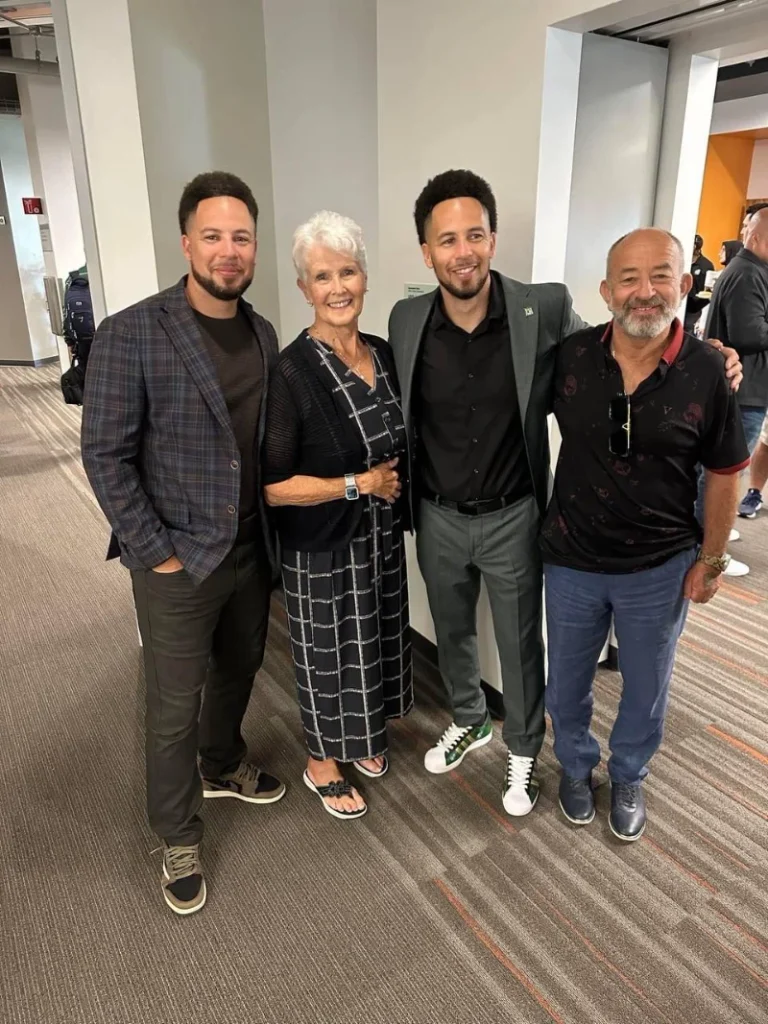
Your family heritage includes Belarusian roots. How has that influenced who you are today?
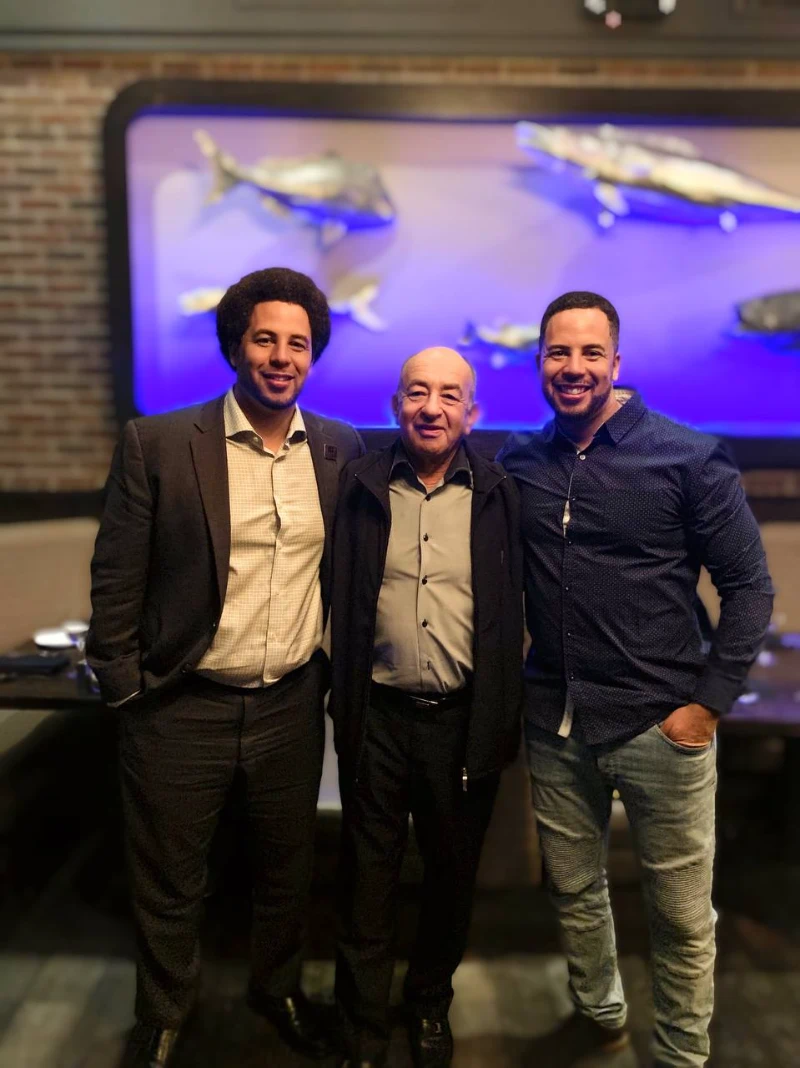
My personal story is a little different because I was adopted. My brother and I spent time in foster care before we were eventually adopted, so for much of our lives we really did not know where we came from. It was not until we were in our thirties that my brother took a 23andMe test. Through that experience, we were able to connect with our birth father, our aunts and uncles, cousins, and our sister. It was incredibly emotional because suddenly we were piecing together a part of our identity that had been missing. We learned about our Belarusian family and about relatives who had immigrated to the United States in the late 1970s and early 1980s. What affected me most was the welcome we received. Our family welcomed us with tremendous warmth, but that welcome also extended beyond them. Many people throughout the Slavic community embraced us and treated us like family. For someone who spent decades not really knowing that part of his story, that experience meant a great deal to me.
Joshua, do you believe your heritage has influenced your leadership style?
Absolutely, particularly through what I learned from our father, Alex. His story taught me what responsibility and sacrifice really look like. When he came to this country, he had to start over, working as a taxi driver, in construction, and wherever necessary to support his family. Instead of pursuing every opportunity for himself, he focused on helping other members of the family build a better future, including supporting their education. Watching what he was willing to do for others gave me a very different understanding of success.
That had a profound effect on how I think about leadership. A project like Dova also requires sacrifice. It requires enormous amounts of time, effort, risk, patience, and the willingness to navigate a process that many people have attempted before. There have been people far more accomplished than me who tried to build major projects in this region and were not successful. For me, leadership is not about being the person at the front of the room. It is about being willing to serve and sacrifice so that the next generation can enjoy opportunities that may not have existed for you. That is the kind of leadership I try to practice.
Sacramento is home to one of the largest Slavic communities in California. What message would you like to share with them?
Part of our goal with this project is to create as many opportunities as possible for the Slavic community to become part of the Dova journey. That can happen through construction, employment, business ownership, restaurants, retail, professional services, entertainment, or other businesses that become part of the district. We want Dova to become a genuine gathering place for the Slavic community. We also plan to hold hiring events and work with Slavic churches and community organizations to spread the word about opportunities. Whether someone has just arrived in America, has lived here for twenty years, or comes from a family that has been here for several generations, I want them to feel there is a place for them in Dova. And it is not only about employment. It is also about culture and enjoyment. We want Slavic restaurants. We want Slavic food. We want Slavic entrepreneurs opening businesses and professional offices. We want families coming to events and spending time together in the district. The Sacramento Cordova region has one of the most dynamic Slavic communities anywhere in California. I want that community to be visible in Dova and to help shape what Dova becomes.
How do you measure success for a project of this scale?
For me, success is measured by awe, wonder, and belonging. We want to create a place where people arrive and immediately feel something. They should feel a sense of excitement and possibility, but also feel that they belong there. One of our phrases for Dova is “life woven together.” That idea is important because society has become increasingly disconnected. Technology has given us incredible tools, but it has also allowed much of life to move behind screens. People work from home. Meetings happen online. Entertainment comes through streaming services. You can spend an entire weekend inside your house without really interacting with anyone outside your family. We want Dova to move in the opposite direction. We want to give people reasons to leave their homes and come back into the community. Success is seeing families in the plaza, teenagers spending time together, people attending games and concerts, different cultures sharing food and experiences, and neighbors meeting people they otherwise might never have encountered. The Sacramento Cordova region is incredibly international. People have come here from every part of the world. Dova gives us an opportunity to highlight the best of those cultures and weave them together in one place. If we can accomplish that, then the project will have succeeded in a way that goes far beyond financial metrics.
How will DOVA benefit young people in the region?
Dova will finally give young people something fun to do and somewhere they can simply be. That is more important than it sounds. There are not many places in the Sacramento Cordova region where teenagers and young adults can go at night, spend time with friends, and where parents can still feel comfortable about the environment. We want Dova to become that type of place. You should be able to come without having a detailed plan. You can park, walk around, meet friends, see what is happening, listen to music, grab food, spend time in the plaza, or discover an event. We are intentionally incorporating experiences that do not require people to spend money. That is important because if every activity requires buying a ticket or making a purchase, then you have not really created a public gathering place. I want Dova to feel like a home away from home for the next generation. At the same time, we are using technology, events, retail, sports, and entertainment concepts that are specifically designed to connect with younger audiences. If we do this correctly, young people will grow up seeing Dova as their place.
What opportunities do you see for future expansion beyond the arena?
The arena gets the attention, but the project is already much larger than the arena. The current vision includes hotels, approximately 250,000 square feet of retail, and 1,000 residences. Dova is both an entertainment district and a downtown. That mix is one of the reasons I believe the project can be successful. You do not want to build a place that only comes alive when there is a game or concert. If the streets are empty the rest of the week, then you have built an event venue, not a downtown. We want people living there, eating there, shopping there, working there, and meeting friends there every day. That constant activity creates energy. Over time, we also expect Dova to stimulate additional development around the district. Other developers will see what is happening, bring their own ideas, and create new projects. That is how successful downtowns evolve. One investment creates the conditions for another. Our goal is for Dova to become the place to be, not only on event nights, but every day of the week.
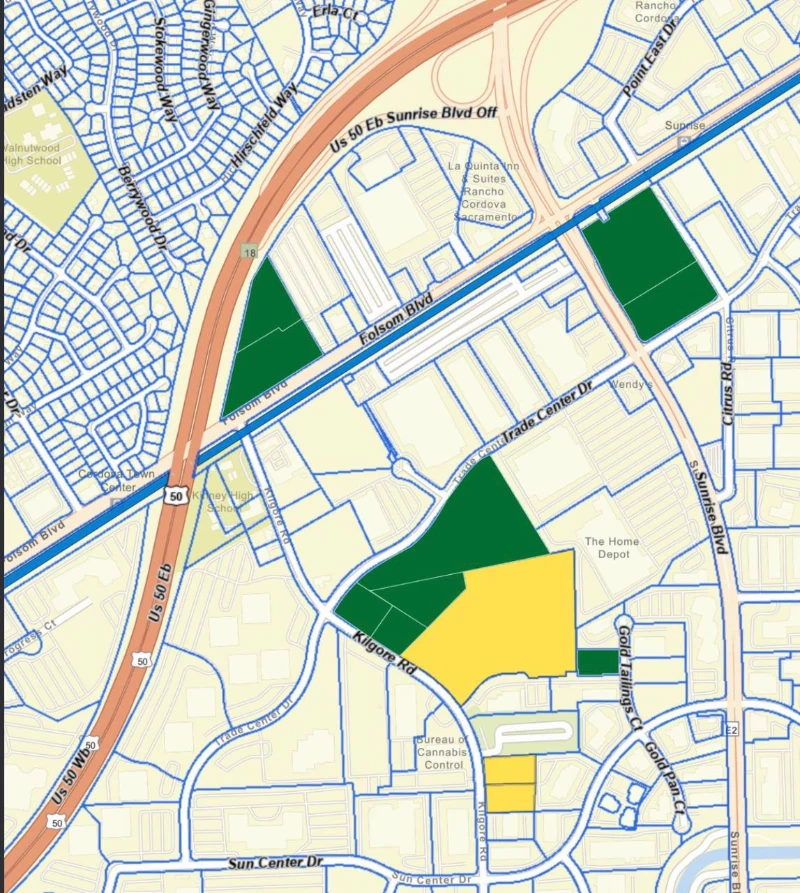
How important is community input during the planning process?
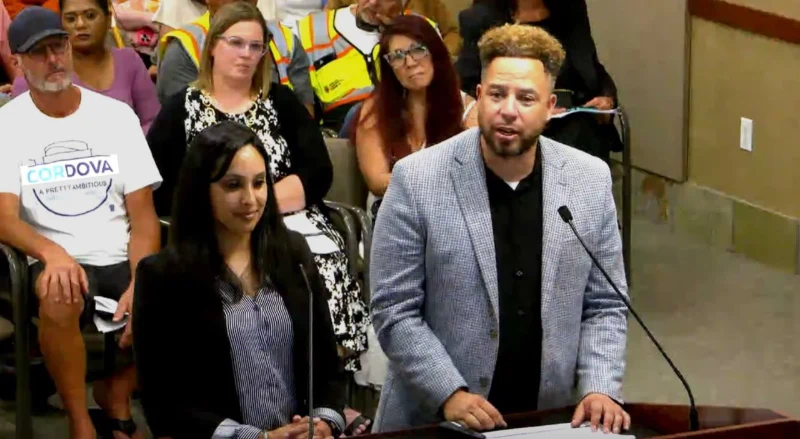
Community input has been extremely important from the beginning. We have held community events, outreach meetings, and conversations throughout Rancho Cordova to hear what people think, understand their priorities, and identify ways they can participate in the project. One moment that really demonstrated the community’s interest was the City Council meeting for approval of our economic development and participation agreement. We had the largest turnout in the city’s history for a council meeting. The council chambers were full. The foyer was full. The overflow room was full. Hundreds more people were outside participating and continuing the rally while the hearing took place. The energy was extraordinary. What stood out to me was not simply the number of people who showed up, but the level of excitement. People understood that this was about more than an arena. They understood that Rancho Cordova was considering what its next chapter could look like. That type of involvement matters because Dova ultimately has to belong to the people who live here.
What would you say to someone who remains skeptical about the project?
Whenever you try to do something big, there are going to be skeptics. That is normal. Most of the people who have expressed skepticism have had legitimate questions. They want to understand parking, financing, traffic, infrastructure, or how the project will affect the community. Those are exactly the questions people should ask. Our responsibility is to provide answers and continue showing how the project works. There are also people who simply do not like the idea, and that is okay too. Not everyone has to agree. But the reality is that this region is changing, and Rancho Cordova is becoming an increasingly important center of gravity within it. I believe that is a positive development. Ultimately, the best way to answer skepticism is not through arguments. It is by delivering a project that works.
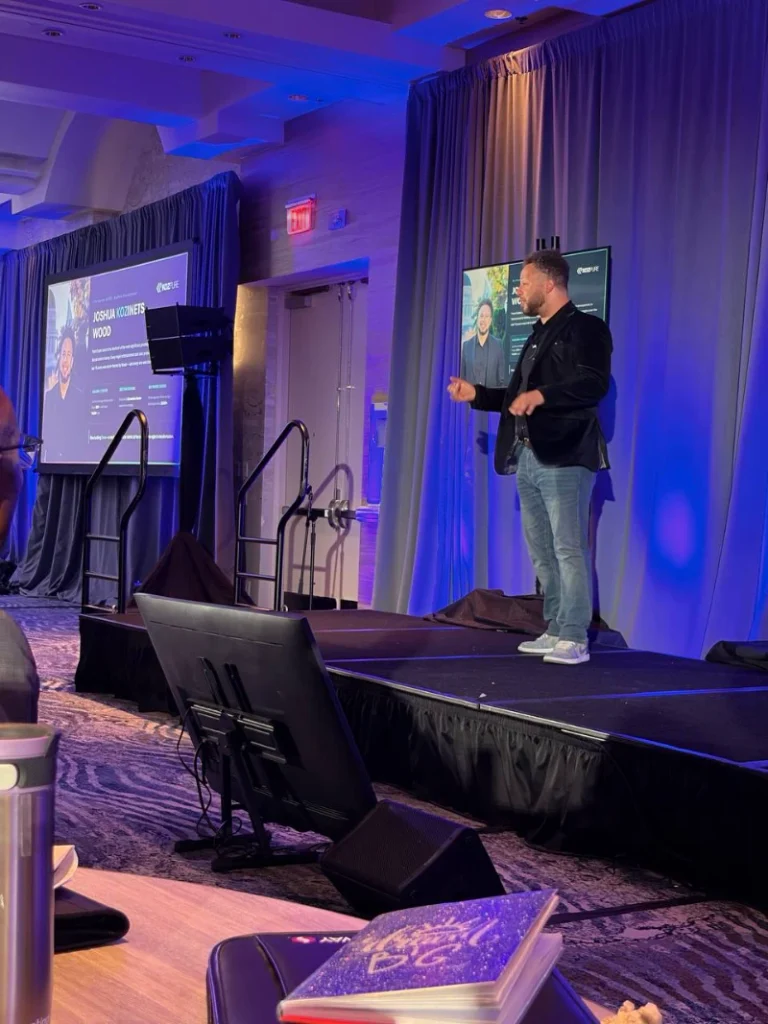
The project emphasizes technology and innovation. Why is that important?
Rancho Cordova is quickly emerging as a serious technology hub. We are seeing a growing artificial intelligence ecosystem, major data center investment, semiconductor companies, advanced technology employers, and even the potential for Rancho Cordova to position itself as a quantum city. Dova Arena needs to reflect that trajectory. It would make no sense to build a traditional arena in the middle of a community that is rapidly becoming one of the region’s technology centers. For visitors, that means excellent connectivity, efficient entry, convenient payments, sophisticated event production, and immersive ways to experience sports and live entertainment. Behind the scenes, technology can support public safety, energy management, traffic coordination, crowd movement, building operations, and efficiency. But the most important consideration is flexibility. Technology changes quickly. We do not want to design an arena around what audiences expect in 2026 and then find ourselves technologically outdated ten years later. We are creating infrastructure that can evolve. If Rancho Cordova continues developing its artificial intelligence ecosystem, semiconductor presence, and broader technology sector in the way we expect, Dova should evolve alongside it.
What role does public private collaboration play in a project like DOVA?
This project is possible because of strong city leadership. Rancho Cordova has an exceptional City Council and a talented city staff who have partnered with us through the very complicated process of developing a project of this magnitude in California. They have worked through difficult questions with us while staying focused on how to make the project successful for the city. A development of this scale cannot happen without that kind of partnership. There are simply too many moving pieces. Private developers can bring vision, capital, expertise, relationships, and the ability to execute, but the city understands infrastructure, planning, public needs, and the long term interests of the community. When those two sides work effectively together, you can accomplish things that neither could accomplish independently. We are excited to build Dova in Rancho Cordova, and I genuinely believe there is no other place in the region where this particular project could have happened in the same way. The leadership here has made an enormous difference.
When future generations look back at DOVA, what do you hope they will say about this project?
I want them to say, “Dova is where I made my memories.” I want future generations to find it difficult to imagine this region without Dova. Whether you are a teenager, a college student, a parent with young children, middle aged, or retired, I want Dova to be one of the places you automatically think about when you want to go somewhere, meet people, celebrate, or simply have fun. We want it to become the center of a new downtown and stimulate billions of dollars in development around it. I want other entrepreneurs and developers to see what we are creating and bring their own ideas. I want them to build hotels, businesses, residential projects, offices, restaurants, and experiences that we have not even imagined yet. That is how a great downtown is created. Ultimately, I want people to see Cordova as a brand, as a city, and as a major face of this region in its own right. I want people to start thinking about this area as the Sacramento Cordova region. Rancho Cordova has become an amazing city. My hope is that decades from now, people will look back at Dova as one of the projects that helped the rest of the world finally recognize that..
PUBLISHER’S CLOSING REMARKS
Joshua Wood’s vision for DOVA extends well beyond sports and entertainment. At its heart, the project is about creating a destination capable of generating economic opportunity, strengthening community identity, and giving Rancho Cordova something it has never truly had: a downtown of its own. Throughout the conversation, Wood returns repeatedly to one idea: belonging. Professional soccer, technology, restaurants, housing, retail, employment, and entertainment are individual components of a much larger ambition. The ultimate goal is to create a place people choose to return to because it becomes part of their lives. The project also represents a significant test. Transformational developments are measured not only by renderings, promises, or opening day excitement, but by execution. Financing, infrastructure, transportation, tenant recruitment, construction, public private cooperation, and the ability to sustain activity beyond major events will ultimately determine whether DOVA fulfills its ambition. What distinguishes the vision is its scale. Wood is not proposing simply to add another entertainment venue to the Sacramento region. He is proposing a second major urban center, one designed to alter how residents and visitors perceive Rancho Cordova itself. If that vision is realized, the Arena Effect may ultimately be measured far beyond the walls of the arena.
For DOVA project information, development opportunities, business inquiries, partnerships, and updates:
https://dovanow.com
https://kozpure.com
https://www.linkedin.com/in/joshua-wood