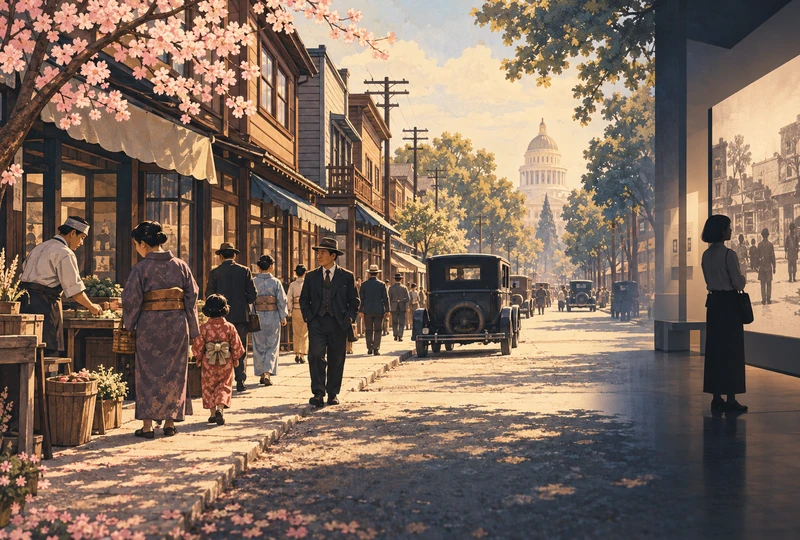
Walk through downtown Sacramento today and it is easy to miss the fact that a thriving Japantown once stood near the Capitol. Its stores, churches, social organizations and homes were part of the city’s everyday life. A new exhibition at the Sacramento History Museum is bringing that neighborhood back into public view through the voices and possessions of the people connected to it.
“Sacramento Japantown: Destroyed by Design” is scheduled to open Friday, November 6, 2026, at the museum in Old Sacramento. The exhibition is a collaboration with Reclaim Sacramento Japantown and the Asian/Pacific Bar Association Law Foundation. It is scheduled to remain on view through May 24, 2027. On Saturday, November 7, a free Japantown Matsuri will welcome the community with performances, cultural demonstrations and activities for children.
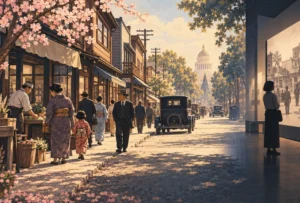
This is a story about much more than a vanished collection of buildings. According to the California Museum’s earlier research on the neighborhood, Sacramento’s Nihonmachi extended across eight city blocks, from Third and L streets to Fifth and P streets. In the early 1940s, the area held more than 120 businesses, civic organizations and churches. Those numbers suggest the scale of a community whose presence is difficult to picture from the streetscape that exists today.
Japanese American families made homes and livelihoods there. A neighborhood business could be a place to buy groceries, meet a friend and hear news from someone who knew your parents. Religious and civic groups offered places to gather and maintain connections. The new exhibition asks visitors to see the people behind a map: the daily routines, relationships and ambitions that gave Japantown its character.
The exhibition is designed as an immersive experience, with facades evoking Japan Alley, family artifacts, historic photographs, sound and video. Community members have contributed memories and treasured objects. Artist and exhibit designer Karen Tsugawa has developed a setting intended to help visitors imagine the streets and stories that are no longer visible. These displays are interpretations and historical materials, not a rebuilt neighborhood.
The neighborhood’s disappearance happened in stages. Japanese Americans were forcibly removed and incarcerated during World War II. After the war, redevelopment erased much of the physical district. The exhibition follows those events while also showing what endured: family memories, cultural traditions and the continuing presence of Japanese Americans in Sacramento. The title, “Destroyed by Design,” points to the decisions that changed the neighborhood, while the project gives descendants a place to tell its story on their own terms.
Sacramento has told parts of this history before. The California Museum’s “Kokoro: The Story of Sacramento’s Lost Japantown” drew on rare family photographs and accounts from former residents. The new History Museum exhibition offers another way into the subject, placing personal artifacts and community storytelling inside a gallery devoted to the city’s past. For readers who saw “Kokoro,” this is a chance to encounter different materials and revisit the neighborhood from another perspective.
The opening weekend has a practical bonus for families. Japantown Matsuri is scheduled for Saturday, November 7, from 11 a.m. to 3 p.m. at the Sacramento History Museum and just outside in Old Sacramento State Historic Park. Organizers say the free festival will feature entertainment, cultural demonstrations, hands-on activities, vendors and a children’s zone. The museum is also planning free admission for everyone that Saturday from 10 a.m. to 5 p.m. The museum’s address is 101 I Street, Sacramento. Check the museum’s current visitor information before traveling, especially for any changes to the program.
A festival can introduce a family to food, performances and traditions. An exhibition can make them pause over a photograph or an object that once belonged to someone who lived a few blocks from today’s Capitol. Together, the two events offer an accessible way to learn why Sacramento’s history cannot be read from its surviving buildings alone.
The project is also a reminder that the loss of a place does not end a community’s story. Descendants, local organizations and neighbors continue to preserve the memories of Japantown and share them with a new generation. When visitors step into the gallery this November, they will be seeing more than a reconstruction of an old street. They will be hearing how people built a home in Sacramento, what happened to that home and why it still matters.