California is heading into a winter that could test the state’s flood defenses, transportation networks, and emergency preparedness. A powerful El Niño is strengthening in the Pacific Ocean, raising concerns about heavy rainfall, atmospheric rivers, mountain snowstorms, and possible flooding. In Sacramento, local officials are already urging residents to take precautions before the first major storms arrive.
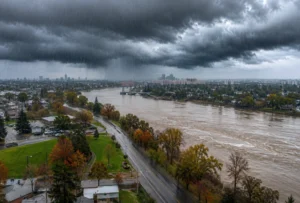
The warning comes from the National Oceanic and Atmospheric Administration (NOAA), which reported in October that a strong to very strong El Niño is likely to persist through January to March 2027, with a probability exceeding 83%. Scientists also see a significant possibility that the current event could rank among the strongest recorded since 1950. El Niño develops when unusually warm surface waters in the equatorial Pacific alter atmospheric circulation and influence weather patterns across large parts of the world. In California, its effects can include changes in winter storm activity, although the amount of rain varies considerably from one region to another. One of the biggest concerns is the arrival of atmospheric rivers, enormous corridors of moisture that travel across the Pacific and can deliver intense rainfall when they reach land. These systems play an important role in California’s water supply, but powerful atmospheric rivers can also overwhelm drainage networks, flood streets, trigger landslides, and cause rivers to rise rapidly. In the Sierra Nevada, the same storms may produce substantial snowfall, creating difficult travel conditions and temporary highway closures.
Not every El Niño winter becomes a disaster. Even an exceptionally strong event cannot guarantee record rainfall in Sacramento or anywhere else in California. Seasonal forecasts describe probabilities rather than specific storms, and the most serious impacts often depend on how much rain falls within a short period, where it falls, and whether the ground is already saturated.
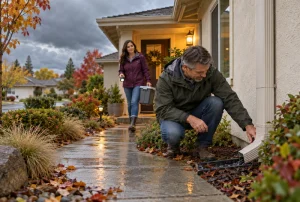
Nevertheless, state and local authorities are preparing early. In October, California announced efforts to position emergency supplies, inspect levees and water infrastructure, and coordinate flood protection measures with local communities. Sacramento County followed with a public preparedness announcement on November 4, emphasizing the potential for heavy rain, flooding, and severe winter weather. Officials are particularly concerned about low-lying neighborhoods, properties near waterways, and locations where storm drains can become blocked by leaves and debris. For homeowners, the approaching season presents several practical challenges. Heavy rain can enter garages, damage landscaping, overwhelm gutters, and cause water to collect near foundations. Strong winds and saturated soil may bring down trees or power lines, leaving neighborhoods without electricity. Drivers face another danger when flooded roads conceal deep water, damaged pavement, or powerful currents. Emergency officials consistently advise motorists never to attempt to drive through flooded streets.
Sacramento County has already taken one visible step to help residents protect their properties. On November 5, the county opened three self-service sandbag distribution sites for eligible residents of unincorporated areas. The locations are Branch Center at 3847 Branch Center Road, Orangevale Community Center at 6826 Hazel Avenue, and Sacramento Metropolitan Fire Station No. 116 at 7995 Elwyn Avenue. The county supplies sand and bags, but residents must bring their own shovels and fill the bags themselves. Each visit is limited to 20 bags. Residents living within incorporated cities should contact their municipal authorities about local sandbag availability.
The county also recommends replacing sandbags left over from previous winters because prolonged exposure to sunlight can weaken the material.
Insurance deserves attention before severe weather arrives. Standard homeowners insurance generally does not cover flood damage, and separate flood insurance policies often have a waiting period before coverage begins. Property owners should review their policies, determine whether their addresses are in flood-prone areas, and consider their options well ahead of any storm warning. Keeping important documents protected, clearing gutters, checking drainage around the house, and preparing emergency supplies can also make a meaningful difference. There is another side to the approaching winter. California depends heavily on seasonal rain and mountain snow to replenish reservoirs, support agriculture, and provide water during the dry summer months. A productive snow season in the Sierra Nevada can strengthen water supplies across the state. The challenge is that precipitation is most beneficial when it arrives gradually. A series of moderate storms may help reservoirs and ecosystems, while a single extreme event can cause costly damage.
For now, no widespread flooding is inevitable. The strength of El Niño increases the likelihood of certain weather patterns, but it does not determine exactly when or where destructive storms will occur. Residents should follow updates from the National Weather Service, monitor local emergency alerts, and take reasonable steps to prepare while conditions remain calm.
California has experienced dramatic winters before, and its communities have learned that preparation often matters as much as the forecast itself. Share this article with friends, family, and neighbors across California. A timely reminder today could help someone protect their home and stay safe when the next major storm arrives.