When you hear the word “addiction,” your mind probably jumps to drugs or alcohol. But addiction isn’t just about substances. It lives in the tiny taps of your phone, the endless scroll through social media, binge-watching your favorite shows, shopping impulses, or the thrill of the next notification. In the modern world, addiction has taken on forms our brains were never built to handle — and one person has been quietly leading the conversation about it: Stanford psychiatrist Anna Lembke.
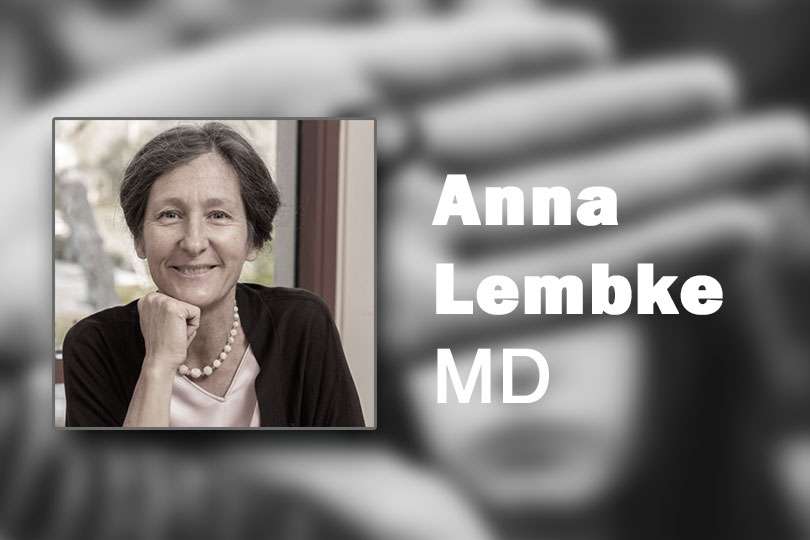
Her book, Dopamine Nation, has become more than a bestseller — it’s a cultural touchstone. It’s a roadmap to understanding why we feel anxious, distracted, and constantly in need of stimulation. Lembke speaks a rare language: she explains complex neuroscience with clarity, warmth, and accessibility, like she’s sitting across from you with a cup of coffee, gently guiding you through a world that often feels out of control.
Living in an Era of Instant Pleasure
Lembke has become the voice of a generation trapped in its own speed. We live in a world where pleasure is one click away, where the brain is overloaded and restless, as if we turned on every light in every room and forgot to turn them off. And this isn’t just a metaphor. It’s reality — supported by decades of research and hands-on clinical experience. Lembke has spent years treating patients addicted to opioids, alcohol, drugs, and behavioral addictions like gambling, excessive gaming, social media, binge-watching, and even compulsive shopping.
In California, her insights hit home. This is where technology grows faster than human attention can adapt, where devices are designed to keep us hooked, and where innovation constantly tests the limits of what our brains can handle. Lembke’s observations are not hypothetical — they are a reflection of everyday life here, in the heart of Silicon Valley and beyond.
Understanding Addiction Beyond Drugs
Lembke’s work began during the opioid crisis, a time when America struggled to balance pain relief and dependency. She observed patients confused about where treatment ended and desire for relief began. Over time, she realized addiction isn’t only about substances — it’s about the structure of the human brain and how modern society exploits its natural reward systems. The dopamine-driven cycles that once ensured survival now become chronic overloads, leaving us anxious, distracted, and disconnected.
Her approach is refreshing because she doesn’t blame people. She doesn’t say anyone chooses addiction. Instead, she points to the environment we’ve created: one that makes dependency inevitable and resilience difficult. We live surrounded by stimuli that deliver instant, fleeting pleasure — social media notifications, streaming platforms, instant delivery, endless emails. It’s a biochemical trap, and Lembke’s work explains why it’s so easy to fall in and so hard to climb out without understanding the underlying mechanisms.
The Dopamine Paradox
One of Lembke’s most striking insights sounds almost paradoxical: the more pleasure we pursue, the less we actually feel it. Our brains crave balance. When we constantly press the “get” button — for likes, messages, or entertainment — our reward systems become desensitized. Anxiety rises, focus diminishes, and even rest becomes another form of consumption. Silence feels unbearable because it forces us to confront ourselves.
This is where Lembke introduces the concept of the “dopamine detox.” Contrary to the viral TikTok challenges that co-opt the term, it’s not about extreme fasting from all pleasure. It’s about giving the brain the space to reset, to restore its natural sensitivity, and to regain the ability to experience real joy.
Honesty, Insight, and Relatability
What makes Lembke particularly compelling is her honesty. She doesn’t just recount her patients’ struggles; she shares her own experiences. She talks about her compulsion for binge-watching, reading, and the ways modern culture hides behind the phrase “I’m just relaxing.” This transparency builds trust — she doesn’t judge. She has lived through the same challenges her readers and patients face, and that authenticity makes her lessons resonate deeply.
Addiction Masquerading as Success
California is the perfect backdrop for Lembke’s message. Here, addiction often disguises itself as achievement: high productivity, endless projects, constant pressure to move faster. Even the most successful individuals can be trapped by modern temptations. Lembke shows that vulnerability doesn’t equal weakness. It’s the pace, the constant exposure to instant rewards, that strains the brain.
Addiction, in Lembke’s view, is a cultural phenomenon, not a personal flaw. Her book isn’t just for psychologists; it’s for entrepreneurs, parents, teachers, students, and anyone struggling to find balance. She shows how to restore equilibrium, reclaim focus, and reconnect with joy in ways that don’t depend on constant stimulation. Recovery isn’t a pause; it’s recalibration — a path back to sensitivity, presence, and mindful living.
Reclaiming Control
The core of Lembke’s message is simple: we are not powerless. With awareness and deliberate action, we can retrain our habits, regain control, and restore the brain’s ability to feel joy. She teaches that true pleasure comes not from instant gratification but from conscious engagement with life.
Her work is particularly vital in California, where technological and cultural trends shape behavior nationwide. Lembke provides the tools to navigate a world of constant innovation without losing ourselves in it. Her research, lectures, and writing have become part of a larger conversation about mental health, digital overload, and the culture of hyper-stimulation — a conversation that the state of California is uniquely positioned to lead.
Why Lembke Matters Now
Anna Lembke doesn’t offer quick fixes or trendy life hacks. She offers understanding. And sometimes, that is all it takes to take the first step toward living slower, feeling deeper, and finally listening to oneself. Her work reminds us that the human brain isn’t our enemy. It’s working to protect us — and our job is to protect it in return.
In an era where the conversation around mental health has become louder, clearer, and more urgent, Lembke stands out as a rational, calm, and deeply insightful voice. Her lessons are practical, scientifically grounded, and profoundly human. They speak directly to anyone struggling to balance the pressures of modern life with the need for inner peace.
Conclusion
Anna Lembke doesn’t ask us to abandon technology or live in austerity. She asks us to pay attention, to take pauses, and to rebuild habits that restore joy, focus, and presence. Addiction is not hidden in the shadows — it’s in our devices, our notifications, and our endless search for instant gratification.
But Lembke reminds us: we can regain control. We can learn to experience pleasure in its full depth again, to live with awareness, and to trust ourselves. In a fast-moving world, this is the most crucial skill we can cultivate.
Her work is a roadmap for modern life, particularly here in California, where the pace is relentless, innovation constant, and the temptations around us ubiquitous. By following her guidance, we can build a culture where technology serves us, not the other way around — and where the human brain finally gets the balance it deserves.