Patients often ask me the same question:
“Doctor, why has my hair become dull and brittle, even though I’m doing everything the same?”

At first glance, it may seem like just a cosmetic concern. But in reality, your hair often reflects what’s happening inside your body — your stress level, hormonal balance, nutrition, and even emotional burnout.
To understand how to care for your hair properly — and what really works — our correspondent Victoria sat down with Dr. Natalia Morris, an experienced trichologist practicing in California.
In this interview, Dr. Morris shares her professional insights, modern hair restoration methods, and the most common mistakes even the most polished women in California make when it comes to hair care.
Why Your Hair Loses Its Health
Dr. Morris begins with a simple but powerful truth:
“Hair is a mirror of your body. When it weakens, your body is signaling an internal imbalance.”
According to her, Californians face unique challenges that affect their hair — a mix of climate and lifestyle factors:
• intense sun and dry air
• salty ocean water
• chronic stress and lack of sleep
• hard tap water and, paradoxically, low vitamin D levels despite all the sunshine
“Almost one in three women who come to my office complain about dullness and breakage,” says Dr. Morris. “And in most cases, the issue doesn’t start with shampoo — it starts with your biochemistry.”
It All Starts with Finding the Root Cause
Before prescribing any treatment, Dr. Morris always begins with a detailed diagnostic approach.
She asks about lifestyle, nutrition, stress levels, hormone balance, medications — even the brand of shampoo.
“Hair doesn’t just fall out for no reason. We look for the underlying cause — anemia, hormonal changes, protein deficiency, stress, medication side effects, or genetic predisposition.”
She warns that self-diagnosis can often make things worse. Sometimes what looks like a hair problem actually stems from thyroid dysfunction or anemia — conditions that no mask or serum can fix.
Less Is More in Hair Care
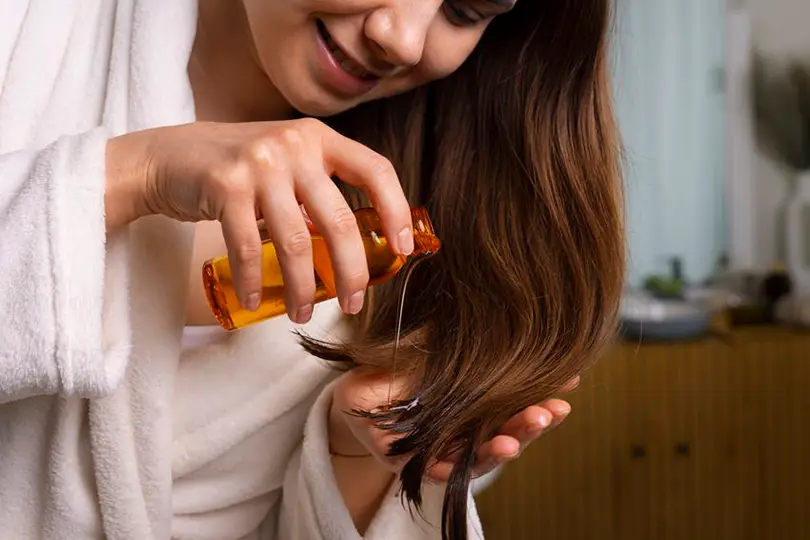
According to Dr. Morris, one of the biggest modern beauty mistakes is overdoing it.
“Many women overload their hair with oils, masks, sprays, and heat protectants — and end up with heavy, lifeless strands that break even more easily.”
Her practical, evidence-based recommendations:
- Use gentle, sulfate- and paraben-free shampoos.
- Apply conditioner only to the mid-lengths and ends, not the roots.
- Wash your hair with warm — not hot — water.
- Avoid brushing wet hair; let it air-dry slightly first.
- Use a blow dryer on a medium setting.
- Protect your hair from the sun and ocean water with SPF sprays and hats.
“Treat your hair like the skin on your face — with care and respect. It’s a living structure that needs a gentle approach,” she emphasizes.
Nutrition and Vitamins: The Real Foundation of Healthy Hair
“Shampoos care for your hair, but real strength comes from within,” Dr. Morris explains.
She recommends a diet rich in protein, iron, and omega-3 fatty acids, including:
- eggs
- fatty fish (salmon, mackerel, sardines)
- nuts and seeds
- spinach
- berries and quinoa
In California, she often sees deficiencies in iron, zinc, vitamin D, and B12. When a deficiency is confirmed through lab tests, supplementation can help — but only under medical guidance.
Among trusted U.S. brands, she mentions:
Nutrafol®, Viviscal®, Thorne®, Nature Made®, Nordic Naturals®, Floradix®, Vitron-C®.
“Don’t take everything at once just because it’s trendy. Even vitamins should be taken with purpose — too much can be as harmful as too little.”
Modern Hair Restoration Treatments
Trichology has evolved significantly, and today’s treatments are more effective and safer than ever.
📌 Minoxidil — a clinically proven topical solution that stimulates hair growth. Available over-the-counter as Rogaine®, Kirkland Signature®, Equate®.
📌 Finasteride and Dutasteride — prescription medications primarily used for male pattern hair loss.
📌 Spironolactone — commonly prescribed to women with hormonal imbalance-related hair thinning.
📌 PRP (Platelet-Rich Plasma) Therapy — injections of your own plasma enriched with growth factors to activate dormant follicles.
📌 Low-Level Laser Therapy (LLLT) — an FDA-approved non-invasive treatment using devices like Capillus®, iRestore®, HairMax®.
📌 Microneedling and Mesotherapy — microinjections of peptides and vitamins to nourish the scalp.
📌 Hair Transplantation — recommended for irreversible follicle loss; leading U.S. clinics include Bosley, Ziering Medical, and Beverly Hills Hair Restoration.
“The key is not to fear technology. Modern medicine can restore density and shine even when hope seems lost,” Dr. Morris says with confidence.
Patience and Consistency Are Everything
Once you start treatment, be patient.
“It takes at least three months to trigger new growth — and about nine months to see a visible transformation,” explains Dr. Morris.
Consistency is critical. Depending on progress, your treatment plan may evolve — adding peptides, laser sessions, or PRP therapy.
“Think of it like fitness training — results come with regular effort, not after one session.”
The Hidden Enemy: Stress
Dr. Morris highlights stress as the silent saboteur of healthy hair.
“Chronic stress raises cortisol levels, which constricts blood vessels and disrupts follicle nourishment.”
Her stress-reducing recommendations are simple yet effective:
- Practice yoga or Pilates.
- Take daily walks by the ocean.
- Unplug from screens an hour before bed.
- Get at least seven hours of quality sleep.
Even 20 minutes of meditation, deep breathing, or reading before bed can lower cortisol levels — and help your hair recover faster.
Dr. Morris’s Golden Rule
“Stop looking for a miracle product. Hair isn’t makeup — it’s biology.
Nourish it, be consistent, and the results will come.”
*****
Healthy hair doesn’t start in a salon — it starts within you. Eat mindfully, sleep well, protect your hair from the sun, check your vitamin levels, and don’t hesitate to see a doctor.Your hair is a living part of you. Treat it with care, and it will reward you with strength, shine, and beauty.
Stay healthy and kind to yourself❤️