Best Practices for Preventing Osteoporosis
Strong bones are one of the quiet foundations of a healthy life. We rarely think about them until something goes wrong. Yet every step we take, every morning stretch and every laugh that shakes our ribs is possible because our bones work like a silent architectural frame that carries us through the years. In California, where wellness culture is as natural as the ocean breeze, conversations about bone health are becoming more important than ever. Longer life expectancy, active lifestyles and changing eating patterns make it essential to understand what keeps our bones resilient.

This story explores what science knows about bone strength and explains what each person can do to preserve it in a simple and practical way. No complicated medical vocabulary. Only clear and helpful guidance supported by research.
Why Bone Health Matters More Than We Notice
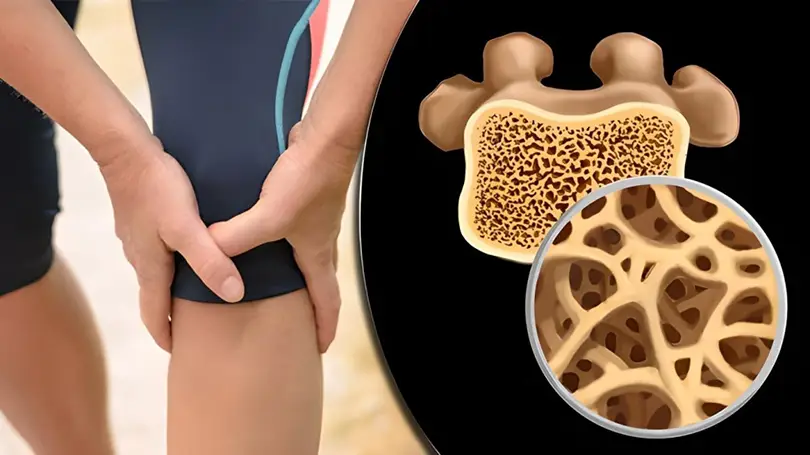
Bones are living tissue. They grow, break down, renew and adapt throughout our lives. During childhood and adolescence they actively build density. In our middle years the balance becomes more delicate and later in life bones begin to lose strength faster than they rebuild. That is where osteoporosis can appear. It is a condition that makes bones weaker and more likely to fracture even during everyday activities.
Osteoporosis affects millions of people in the United States. California has a large aging population as well as many people who prefer plant based eating patterns which sometimes leads to lower intake of bone supporting nutrients. Add long work hours indoors and we get limited sun exposure which reduces natural vitamin D production. All of these factors make bone health a topic worth attention.
The good news is that strong bones are not a mystery. Science has revealed three essential pillars that protect them. Calcium. Vitamin D. Daily movement. Together they form a simple formula for lifelong skeletal strength.
Calcium: The Building Block of Every Bone
Calcium is the mineral that forms the structure of our bones. About ninety nine percent of the calcium in the human body is stored inside this framework. If calcium intake becomes too low the body begins to withdraw it from the bones to support essential functions of the heart and muscles. Over time this hidden withdrawal can weaken the entire skeleton.
For adults, medical researchers recommend about one thousand milligrams of calcium a day. People over fifty often benefit from slightly more. The most familiar sources are dairy foods such as yogurt, cheese and milk. Yet California offers a wide range of calcium rich foods that suit different lifestyles including plant based diets. Almonds, tofu prepared with calcium salts, white beans, kale, broccoli, chia seeds and fortified plant based milks all provide significant amounts.
What matters most is regularity. Bones need a steady supply. A cup of yogurt in the morning, a handful of almonds in the afternoon or a serving of leafy greens with dinner can make a real difference over months and years.
Vitamin D: The Key That Opens the Door for Calcium
Calcium cannot strengthen bones without the help of vitamin D. This vitamin works like a guide. It tells the body how to absorb calcium and how to send it where it needs to go. Without it the calcium from food simply passes through without doing much for bone structure.
Our bodies produce vitamin D when sunlight touches the skin. Here in California this seems like an easy resource. Yet many people spend most of their day indoors. Office work, remote work, long commutes, air quality concerns and the understandable habit of using sunscreen to protect skin all limit natural production.
Food sources help fill the gap. Fatty fish such as salmon or sardines, fortified cereals, fortified dairy products and egg yolks are common options. For those who follow strict plant based diets fortified foods are especially useful.
Medical experts note that vitamin D needs vary by age, skin type and sunlight exposure but many adults benefit from around six hundred to eight hundred international units a day. A simple blood test from a healthcare provider can show whether someone needs more.
Movement: The Natural Stimulus That Tells Bones to Grow Stronger
Bones respond to movement. Every time we take a step, land after a jump or lift a grocery bag the bones receive tiny mechanical signals. These signals tell the body to reinforce the framework and add density. This is why astronauts lose bone mass during long space missions without gravity. Their bones miss those daily ground based messages.
The most effective activities for bone strength involve resistance or impact. Walking at a brisk pace, hiking, running on soft ground, dancing, tennis, stair climbing, strength training with bands or weights all stimulate bone cells. Even simple bodyweight exercises such as squats, lunges and planks create measurable benefits over time.
California provides a unique environment that encourages movement. There are community parks, coastal walks, mountain trails, outdoor fitness areas and an almost year round opportunity to stay active. Regular motion is one of the most natural and enjoyable ways to protect bone density.
How to Combine These Three Elements in Daily Life
Bone health is not a complicated program. It is a small collection of habits practiced regularly. Here is a simple blueprint for everyday life.
Start the morning with a calcium source. It can be yogurt with berries, fortified oat milk in your coffee or a tofu scramble. Step outside for a few minutes of sunlight whenever possible. Even brief exposure in the early morning or late afternoon helps with vitamin D regulation. Plan at least thirty minutes of movement most days of the week. It does not need to be intense. It only needs to be consistent.
Lunch can include leafy greens, beans or salmon. Hydration is essential because water helps support metabolic processes that influence bone turnover. In the afternoon take a short walk or stretch break. In the evening include vegetables rich in minerals or enjoy a handful of nuts as a snack.
These patterns blend naturally with the California lifestyle. They require no strict program and no expensive equipment. Over time they create visible results in physical security and long term comfort.
The Power of Prevention
Most people do not think about bone health until they face an injury. Yet prevention is far more effective than treatment. Strong bones protect mobility, independence and the ability to enjoy life in later years. They keep people active on hiking trails, dancing floors, cycling paths and city sidewalks.
Osteoporosis is not inevitable. Every person who embraces mindful eating and regular movement already takes powerful steps toward prevention. The earlier these habits begin the better the results but improvements can be made at any age. Bones respond throughout life.
A Lifelong Investment
Bone strength is part of the larger story of personal well being. It is not separate from heart health, mental health or everyday energy. A well nourished and active body supports a clear mind, stable mood and resilient spirit. This is why discussions about calcium, vitamin D and movement matter far beyond medical charts.
California thrives on the idea of living fully. From the vibrant neighborhoods of Los Angeles to the quiet cliffs of Big Sur people search for balance between ambition, health, creativity and comfort. Strong bones support this balance in a direct and practical way. They carry us through hikes, commutes, concerts, family gatherings and unexpected adventures.
By choosing foods rich in calcium, maintaining healthy vitamin D levels and moving throughout the day each person invests in decades of strength and freedom. It is a simple formula with profound results.