If you asked most people to name the healthiest food in the world, the answers would probably sound familiar. Avocado. Kale. Blueberries. Quinoa. These foods dominate social media, wellness blogs, and grocery store displays. They feel modern, powerful, and expensive enough to signal health.
But science tells a very different story.
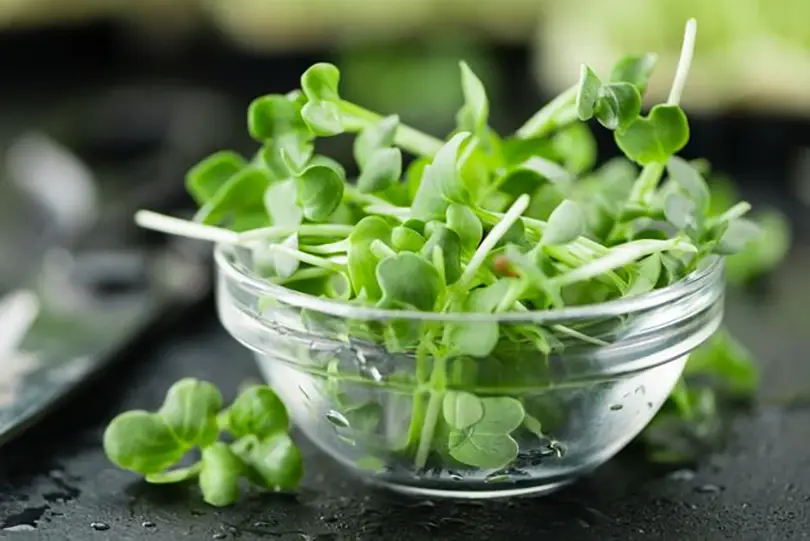
According to researchers at the Centers for Disease Control and Prevention, the most nutritious food on the planet is not exotic, trendy, or expensive. It is watercress. A small leafy green that many people barely notice and often ignore completely.
And yet, when measured by pure nutritional value, watercress scored a perfect 100 out of 100.
When Nutrition Is Measured Without Marketing
The CDC study was not about popularity or taste. It focused on nutrient density. This means how many essential nutrients a food delivers relative to its calorie content.
Seventeen key nutrients were analyzed, including vitamins A, C, K, B vitamins, fiber, and essential minerals. Each food received a score based on how efficiently it nourished the body.
Watercress came out on top.
It outperformed kale, spinach, broccoli, quinoa, and avocado. Foods often celebrated as nutritional champions fell far behind. Sweet potatoes scored only 10 points. Tomatoes reached 20.
Watercress achieved the impossible. Maximum nutrition with almost no calories.
A Small Leaf With Big Numbers
One cup of watercress contains only four calories. That alone would be impressive. But the real surprise lies in what those calories deliver.
A single serving provides the full daily requirement of vitamin K, a nutrient essential for bone strength and proper blood clotting. It also delivers about 17 percent of the daily value for vitamin C and 6 percent of vitamin A.
This means immune support, healthy skin, strong bones, and protection at the cellular level, all packed into a handful of leaves.
No powder. No capsule. No supplement stack.
Vitamin K. The Nutrient Most People Forget
Vitamin K rarely gets headlines, but its role in long term health is critical. It helps regulate calcium in the body, directing it into bones instead of arteries. This supports skeletal strength and cardiovascular health at the same time.
As people age, vitamin K becomes even more important. Bone density declines, and vascular health becomes more fragile. Watercress delivers this nutrient naturally and efficiently, without added sugars or fillers.
It is quiet nutrition at its best.
Natural Compounds That Defend the Body
Beyond vitamins and minerals, watercress contains powerful plant compounds called phytochemicals. Among them are glucosinolates and isothiocyanates, substances studied for their protective effects against cellular damage.
These compounds help neutralize free radicals, support liver detox pathways, and assist the body’s natural defense systems. This is why researchers often associate watercress with reduced inflammation and potential cancer protective properties.
The key is that these compounds work best when consumed as whole foods, not extracted and isolated.
Eye Health in a Digital World
Modern life puts enormous strain on our eyes. Screens dominate work, entertainment, and communication. Blue light exposure and visual fatigue are now daily realities.
Watercress contains lutein and zeaxanthin, antioxidants that accumulate in the retina and help protect against age related eye damage. These nutrients act like internal sunglasses, filtering harmful light and supporting long term vision health.
Combined with vitamin A, watercress becomes a powerful ally for eye health in the digital age.
Why Nobody Talks About Watercress
Despite its scientific credentials, watercress remains overlooked. It has no bold flavor, no dramatic color, and no viral marketing campaign. It does not photograph as well as avocado toast or smoothie bowls.
But that simplicity is exactly what makes it so versatile.
Watercress blends easily into almost any dish. It works in salads, sandwiches, soups, omelets, and smoothies. It adds freshness without overpowering flavor, making it one of the easiest upgrades you can make to your daily meals.
A Staple Hiding in Plain Sight
In Europe, watercress has been valued for centuries. It appears in classic soups, paired with eggs, fish, and soft cheeses. In the United Kingdom, it is a traditional sandwich ingredient.
In the United States, it has remained on the sidelines, often sold as a garnish rather than a main ingredient. But that perception is slowly changing as more people discover the science behind the leaf.
The Superfood You Can Grow Yourself
Perhaps the most surprising thing about watercress is how easy it is to grow. You do not need a garden, special soil, or professional equipment. A shallow container, water, and sunlight are enough.
Seeds sprout within days. Fresh greens are ready in about a week. This makes watercress one of the most accessible and affordable nutrient dense foods available.
In a world concerned about food costs and sustainability, that matters.
The Future of Healthy Eating Is Simple
As conversations around longevity, functional nutrition, and preventative health continue to grow, watercress stands as a reminder that progress does not always mean complexity.
The healthiest food in the world is not a laboratory creation or a luxury import. It is a simple green leaf that has been with us all along.
The Quiet Power of Real Food
Watercress does not promise instant transformation. It does not come with dramatic claims or flashy packaging. It works quietly, consistently, and effectively.
It supports bones, eyes, blood vessels, immunity, and cellular health. It does so with almost no calories and no downside.
Sometimes the most powerful choices are the simplest ones.
And sometimes, the healthiest food on Earth is the one you almost walked past in the store.