For many, vaping started as a trendy alternative to smoking. Sleek devices, fruity flavors, no smoke, no ash, and a feeling of control. In the US, it quickly became popular among students, office workers, young parents, and even people who had never smoked before. Vaping was fun, convenient, and seemed safe.
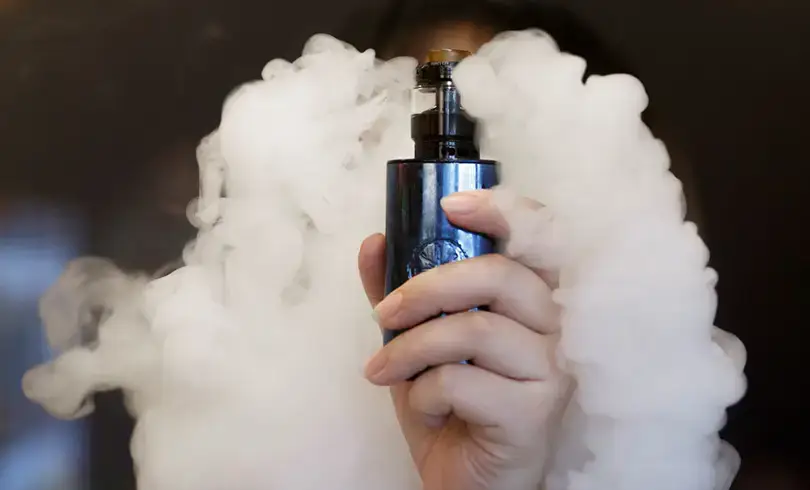
But emerging science paints a very different picture. Vaping affects much more than the lungs. It disrupts the gut, triggers inflammation, and silently undermines mental health. This isn’t theory-scientists have now started connecting the dots between vaping, gut health, and depression.
A Groundbreaking Study on Vaping and the Gut
A recent experiment conducted by a team of neuroscientists and gastroenterologists has highlighted a shocking link. Researchers studied how repeated exposure to e-cigarette vapor affects the gut microbiome. This complex ecosystem of bacteria in our intestines plays a crucial role in regulating brain function and mood.
Over several weeks, animals exposed to e-cigarette vapor showed a dramatic decline in beneficial gut bacteria. Diversity in the microbiome collapsed, making it weaker and unstable. The most surprising part: these changes occurred even before visible physical damage to the body appeared.
In other words, vaping starts affecting our body quietly, under the radar, with consequences we might not notice until it’s too late.
Your Gut Is More Than Digestion. It’s Your Second Brain
Calling the gut “the second brain” is not just a metaphor. The gut and brain communicate constantly through a network called the gut-brain axis. Gut bacteria produce neurotransmitters like serotonin and dopamine, the very chemicals that regulate mood, focus, motivation, and emotional resilience.
When this delicate microbiome is disrupted, the brain receives distorted signals. People may experience anxiety, low mood, brain fog, and symptoms of depression. Scientists are increasingly viewing gut health as a key factor in mental wellbeing and vaping appears to damage it significantly.
The Hidden Chemicals in Every Puff
E-cigarettes might look harmless, but heating vape liquids produces dangerous chemicals. Among them, formaldehyde and acetaldehyde are especially concerning. These compounds are known to trigger inflammation and damage cells.
Researchers observed increased inflammatory markers not just in the lungs but also in the gut. Chronic inflammation destabilizes the microbiome and disrupts communication between gut and brain. Over time, this can create conditions linked directly to depressive states.
Depression: The Silent Risk of Vaping
Many long-term vape users report feeling emotionally numb, easily irritated, or unmotivated. For years, these effects were often attributed to stress or lifestyle. Now, science suggests vaping itself could be a contributing factor.
Reduced production of mood-regulating neurotransmitters, combined with ongoing inflammation, makes the brain more sensitive to negative stimuli. Emotional stability declines, and vulnerability to depression rises. This isn’t just an occasional low mood, this is a biological impact with real consequences.
Why Vaping Feels Safe, but Isn’t
Part of the danger lies in the illusion of control. Vapes feel easy to manage. No smoke smell. No ash. No lingering irritation in the throat. This makes them more attractive and more addictive.
People vape more often and for longer periods than they might realize. Continuous nicotine intake strengthens dependence. At the same time, chemical stress on the gut weakens the body’s coping mechanisms. The result is a silent loop affecting both mental and physical health.
The Broader Public Health Concern
In the US, vaping rates remain high, especially among young adults and teens. These findings are more than an individual health warning they represent a growing public health concern. Rising depression rates, particularly among younger people, may be tied to behaviors once considered harmless.
Teenagers are especially vulnerable. During brain development, disruptions to the gut microbiome can have long-lasting effects on mood, cognition, and stress response.
The Hope of Recovery
There is hope. The gut microbiome is resilient. Quitting vaping, eating fiber-rich foods, consuming fermented products like yogurt or kombucha, exercising, and managing stress can all help restore balance.
But awareness is the key first step. Vaping is not just a lifestyle choice, it directly affects the biological systems that govern how we think, feel, and handle life’s challenges.
Time to Rethink the Vape Culture
History repeats itself. A new product appears safe. Early warnings are ignored. Consequences appear quietly, often after years of widespread use. This time, the science is already here. We know vaping can damage gut health, trigger inflammation, and increase the risk of depression.
Understanding these risks allows people to make informed decisions. The earlier the conversation happens, the sooner we can protect mental health before damage becomes long-term.
✅ Vaping might seem harmless, fun, or even trendy, but its hidden costs are real, silent, and biological. Ignoring them is no longer an option.