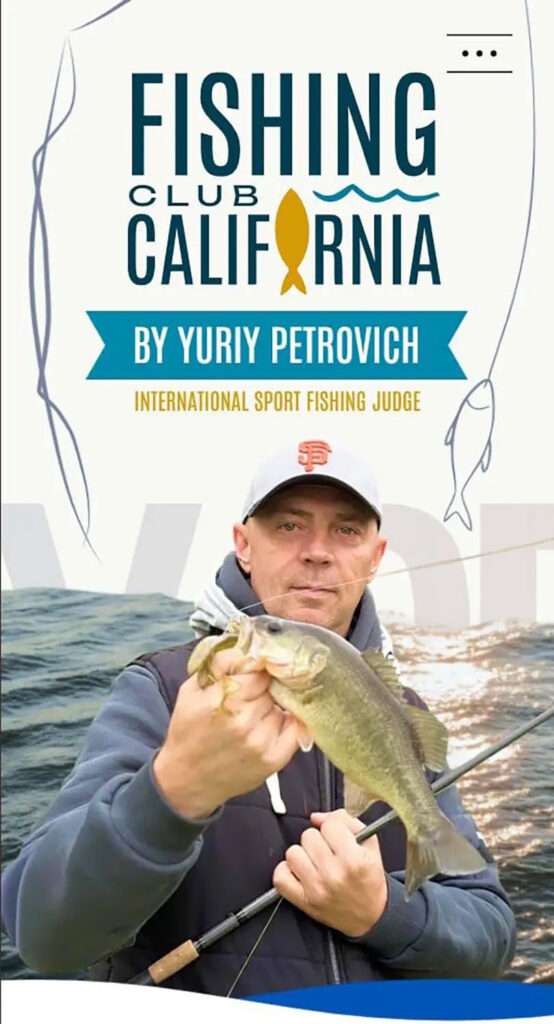
A passion for nature can become much more than a pastime. It can become a lifelong mission. Our guest today has traveled an extraordinary path from a young angler to a competitive athlete, an international sport fishing judge, a tournament organizer, and the founder of youth educational initiatives. Today, he is focused on developing Fishing Club California and the Youth & Young Anglers Development Program, combining sport, environmental stewardship, and community engagement.
For Yuriy Petrovich, fishing has never been simply about catching fish. It has been a way to build character, strengthen communities, and inspire future generations. His story demonstrates how one passion, nurtured over decades, can evolve into a legacy that touches countless lives.
Yuriy, looking back on your journey, you have successfully combined competitive sports, education, and community leadership. Many people struggle to dedicate themselves fully to even one of these areas. What has allowed you to build a life that integrates all three, and what lessons have you learned along the way?
For me, these areas have always been interconnected. Sports taught me discipline, responsibility, and the determination to pursue meaningful goals. Education gave me the ability to continue learning, adapting, and sharing knowledge with others. Community service became the place where those lessons could be applied in ways that benefit real people. Throughout my life, I have learned that success is rarely achieved alone. Every meaningful accomplishment comes from working with others and building relationships based on trust and shared values. Whether I am organizing a fishing tournament, mentoring a young angler, or helping develop a community initiative, the goal remains the same. I want to create opportunities that help people discover their potential. Once you understand that these different areas are all serving the same purpose, maintaining balance becomes much easier.
Over the years, you have received recognition from fellow athletes, sports organizations, and government leaders. When you look at those awards today, what do they mean to you personally?
Awards are always appreciated, but they have never been my primary motivation. Their real value lies in knowing that the work has made a positive difference in people’s lives. Every certificate, commendation, and recognition reminds me of the many individuals who contributed to our shared efforts and the countless hours invested in developing the sport, organizing competitions, and building educational programs. I see these awards not as a finish line but as a reminder of responsibility. They encourage me to continue moving forward, creating new opportunities, and expanding programs that can benefit even more young people. The recognition that means the most often comes from parents, athletes, and young participants. When someone tells me that a program changed their perspective or helped shape their future, that is far more meaningful than any trophy or plaque.
Every leader has people who shape their journey. Who had the greatest influence on your development as an athlete, judge, mentor, and community builder?
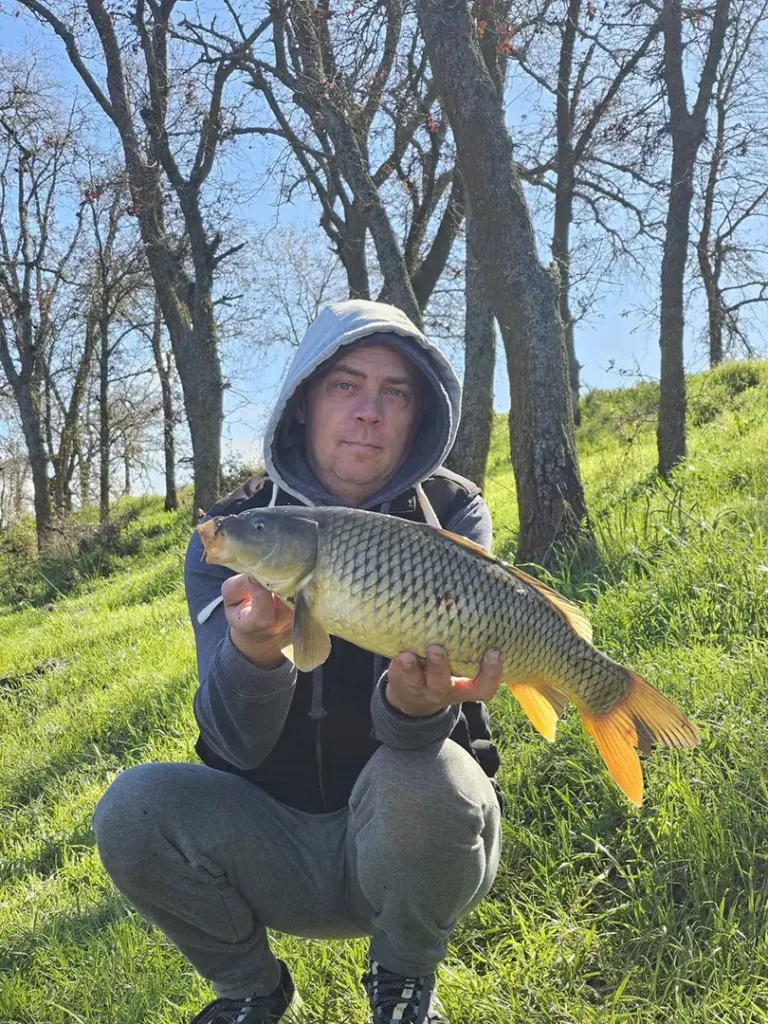
Without question, my father had the greatest influence on my life. He introduced me to fishing and taught me to respect nature. Some of my strongest childhood memories are spending time near rivers and lakes, observing wildlife, learning patience, and developing a deep appreciation for the natural world. Those experiences taught lessons that extended far beyond fishing. They shaped my character and my understanding of responsibility. Later, I was fortunate to be surrounded by friends and teammates who shared the same passion for sport fishing. Together, we formed a competitive team and began participating in tournaments. That experience opened my eyes to the remarkable ability of this sport to bring together people from different backgrounds and generations. Another important influence was Oleg Dida, one of the leaders of the Ukrainian Federation of Sport Fishing. He encouraged me to become a judge, and that opportunity changed the direction of my life. Judging competitions requires fairness, integrity, and a deep understanding of the sport. The lessons I learned in that role later helped me become an organizer and contribute to the development of sport fishing on a broader level.
Having spent years involved in sport fishing both in Ukraine and now in the United States, what differences stand out to you the most? What lessons from international experience can be successfully applied in California?
Sport fishing developed under very different circumstances in the United States and Ukraine, which created distinct strengths in each country. In the United States, the sport benefits from strong infrastructure, established club systems, business support, and active community participation. There are countless tournaments, educational opportunities, and youth programs that introduce people to the sport at an early age. In Ukraine, much of the growth came through the dedication and enthusiasm of individuals who invested enormous amounts of time and energy despite limited resources. That created a unique culture of cooperation, mutual support, and shared responsibility. I believe California has an opportunity to combine the best aspects of both models. We can strengthen club culture, engage families, expand youth education, embrace modern media, and create more opportunities for mentorship. When people feel connected to a community and have opportunities to learn from one another, the sport becomes much more sustainable and impactful.
One of your current priorities is the Youth & Young Anglers Development Program. What kinds of partnerships would you like to build to help this initiative grow and succeed?
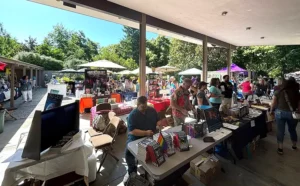
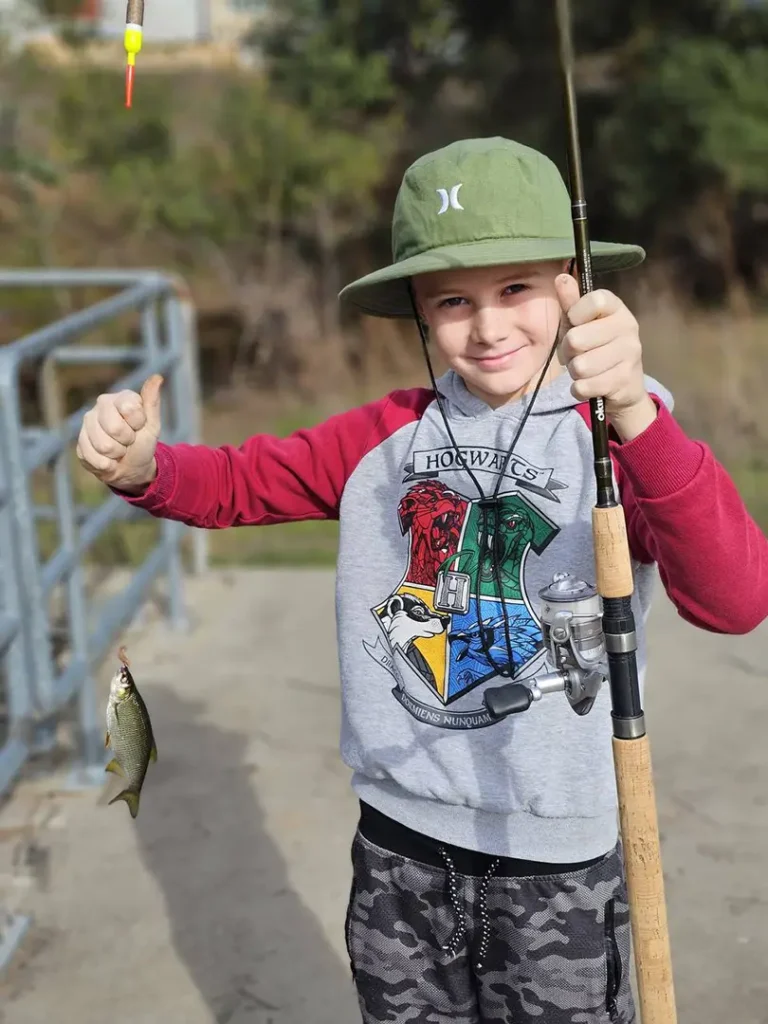
I firmly believe that successful youth programs must be built through collaboration. Schools and educational institutions are particularly important because fishing provides an excellent platform for teaching ecology, biology, conservation, and environmental responsibility. I also see tremendous potential in partnerships with sports organizations, environmental foundations, conservation agencies, and government institutions. Each brings unique resources and expertise that can strengthen youth development efforts. Recently, we participated in a community festival in California and were pleasantly surprised by the level of interest from families, children, and local organizations. It became clear that there is a strong demand for meaningful outdoor programs that combine recreation, education, and mentorship. That experience reinforced my belief that Fishing Club California can become a valuable platform for connecting people and creating opportunities for the next generation.
What role do you believe local businesses and the broader business community can play in supporting youth sports and educational programs?
The role of business is incredibly important. Many successful youth initiatives exist because community organizations and local businesses work together toward a shared goal. Support can take many forms, including sponsorships, equipment donations, educational resources, tournament support, and community event participation. More importantly, businesses help create opportunities. They provide young people with access to experiences, mentorship, and resources that might not otherwise be available. When a company invests in youth programs, it is making an investment in the future of its community. Those investments help develop responsible citizens, future leaders, and individuals who understand the value of giving back.
If you had the opportunity to design the ideal development program for young anglers, what would it look like?
I believe the ideal program would extend far beyond teaching fishing techniques. Of course, young anglers need to learn skills, competition preparation, and the rules of the sport. However, the larger goal should be personal development. In my vision, athletic training would be combined with environmental education, outdoor learning, leadership development, and mentorship. Young people should understand why protecting waterways matters, why conservation is important, and how individual actions affect the environment. The program would also focus on teamwork, communication, problem solving, and leadership. Ultimately, our objective is not simply to produce successful athletes. We want to help develop responsible individuals who contribute positively to their communities and become leaders in their own right.
When you imagine the first graduate of your program ten years from now, what kind of person do you hope they will become?
I hope to see someone who has achieved success not only in sport but also in life. Medals and trophies are wonderful accomplishments, but character is far more important. I would like our graduates to be people who respect nature, work well with others, take responsibility for their actions, and look for ways to help those around them. I hope they become confident individuals who are willing to share their knowledge and mentor younger participants. If ten years from now one of our graduates is helping guide the next generation and carrying forward the values we are teaching today, I would consider that one of the greatest successes our program could achieve.
As you reflect on everything you have accomplished and everything you are still building, what would you like people to say about your work and your legacy many years from now?
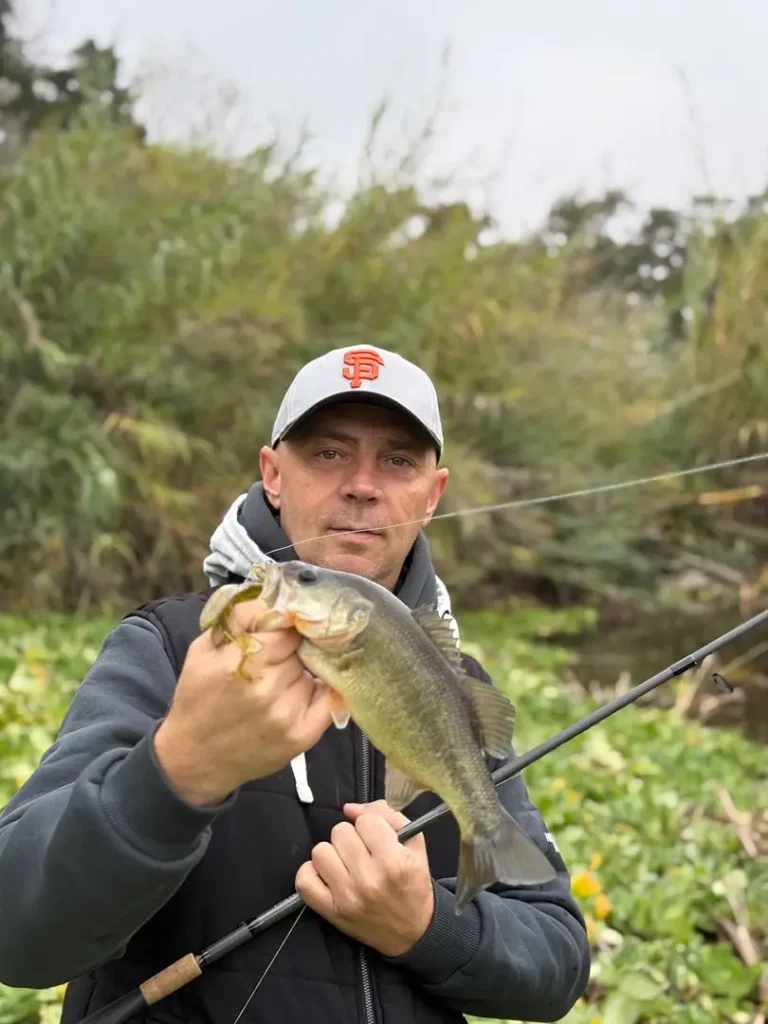
I would prefer that people talk less about me and more about the impact the work had on others. If our programs inspire more children to appreciate nature, discover meaningful activities, develop confidence, and become active members of their communities, that would be my greatest achievement. My goal is to build a strong community in California united by a shared passion for nature, sport, education, and personal growth. I dream of creating a youth fishing club and competitive team similar to what we successfully built in Ukraine. Most importantly, I hope the legacy left behind is not measured by titles or accomplishments but by people whose lives were positively influenced through these programs and who, in turn, continue helping others.
Publisher’s Note
Yuriy’s story demonstrates that meaningful change begins with personal initiative and a genuine passion for one’s work. His decades of experience in sport fishing, officiating, education, and community leadership are now creating new opportunities for young people throughout California.
The development of youth programs, the promotion of sport fishing, and the cultivation of environmental responsibility represent investments not only in recreation but also in the future of society. Through Fishing Club California and the Youth & Young Anglers Development Program, a new generation is being shaped. For these young people, fishing becomes more than a hobby. It becomes a classroom for responsibility, discipline, leadership, teamwork, and respect for the natural world.
Projects like these strengthen communities, connect generations, and create a lasting legacy that extends far beyond the shoreline.
Those interested in supporting sport fishing, youth educational programs, partnerships, sponsorship opportunities, or participation in the organization’s activities can connect with Yuriy Petrovich through the official website at www.FishingClubCalifornia.com and through Fishing Club California’s social media platforms.