Some restaurants open because a neighborhood needs another place to have dinner. Others are built around a fashionable concept or a promising business opportunity. And then there are those that take shape much more slowly, born not from a desire to earn culinary accolades, but from the belief that food has the unique ability to bring people together in the same effortless way families once gathered around a large dining table.
That is the story behind The Slough House Kitchen, a restaurant located in the historic community of Sloughhouse, just outside Sacramento. Some guests stop by on their way to the wineries of Amador County. Others choose it for family dinners, celebrations, or evenings with friends. Before long, however, it becomes clear that people return for more than the food. They come back for an atmosphere that cannot be created through recipes alone.
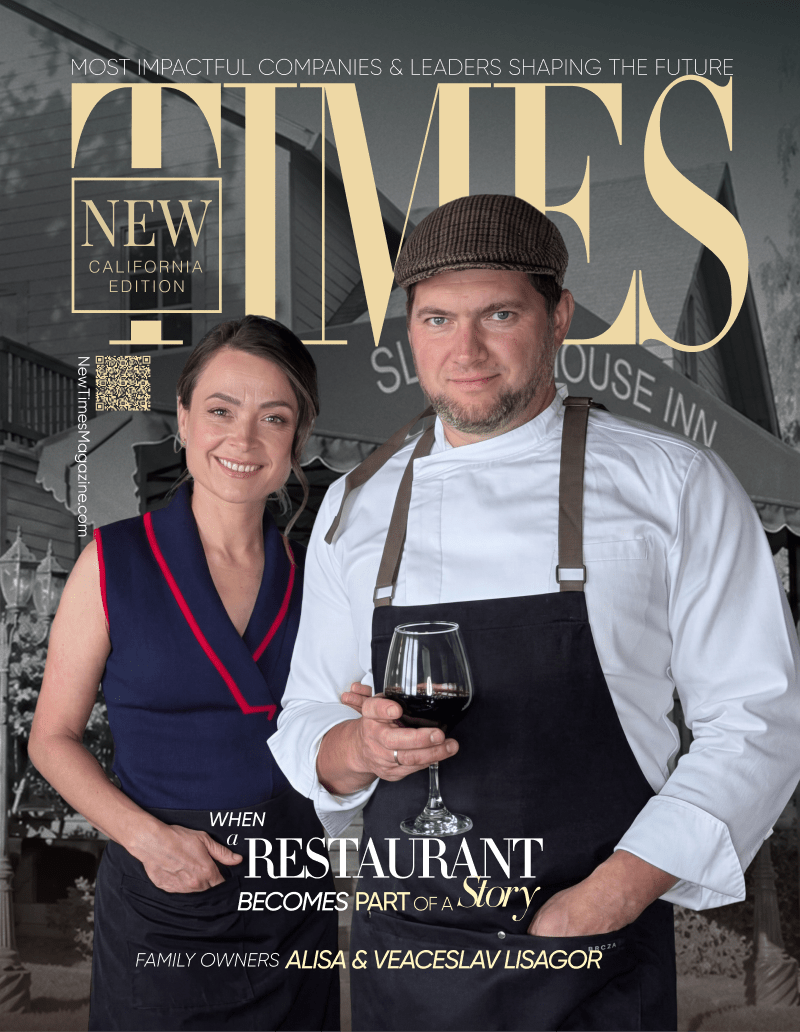
Behind the restaurant are husband-and-wife owners Veaceslav (Slav) and Alisa Lisagor. Their story is unlike the familiar narrative of entrepreneurial success often associated with the restaurant industry. During our conversation, words like competition, marketing, and rapid growth rarely come up. Instead, the discussion repeatedly returns to family, respect for craftsmanship, seasonal ingredients, the land where every meal begins, and the people who help preserve its abundance. It soon becomes clear that these seemingly simple ideas form the foundation of The Slough House Kitchen’s philosophy.
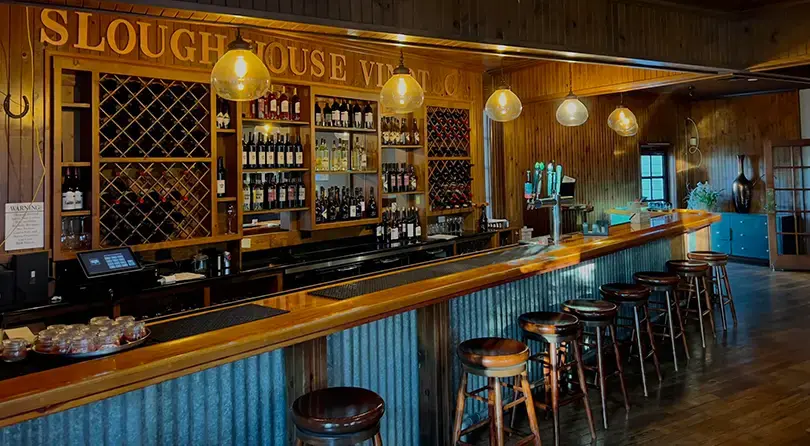
As we speak with Slav and Alisa, it becomes apparent that they rarely talk only about food. Almost every question about a new dish, their organic garden, or house-made bread gradually turns into a conversation about memory, family traditions, and human connection. For them, the restaurant was never an end in itself. It became a way to preserve something that is becoming increasingly rare in modern life: unhurried conversations around a shared table, respect for handcrafted work, and the understanding that every great meal begins long before it reaches the plate.
At a time when much of the restaurant industry is driven by speed, standardization, and scalability, they have consciously chosen a different path. It is a path that is more demanding, more labor-intensive, and far less convenient. One where patience cannot be replaced by technology, and where the trust of guests cannot be earned through a successful advertising campaign alone.
To truly understand what The Slough House Kitchen represents, it is not enough to open the menu. First, you have to meet the people who bring this place to life every day. That is exactly where our conversation with Slav and Alisa Lisagor began.

The Story Began Long Before the Restaurant Opened
The story of The Slough House Kitchen began long before the lights were turned on inside the historic Slough House building. At first glance, it might seem that everything started with finding the perfect location or deciding to open a restaurant of their own. But after listening to Slav and Alisa, it becomes clear that the decision had taken shape years earlier. It grew gradually from family traditions, decades of experience, and a shared vision of what a restaurant should be: not simply a place where people come to eat, but a place where they come to spend meaningful time together.
When the conversation turns to those early beginnings, both of them almost instinctively return not to the restaurant itself, but to home and family.
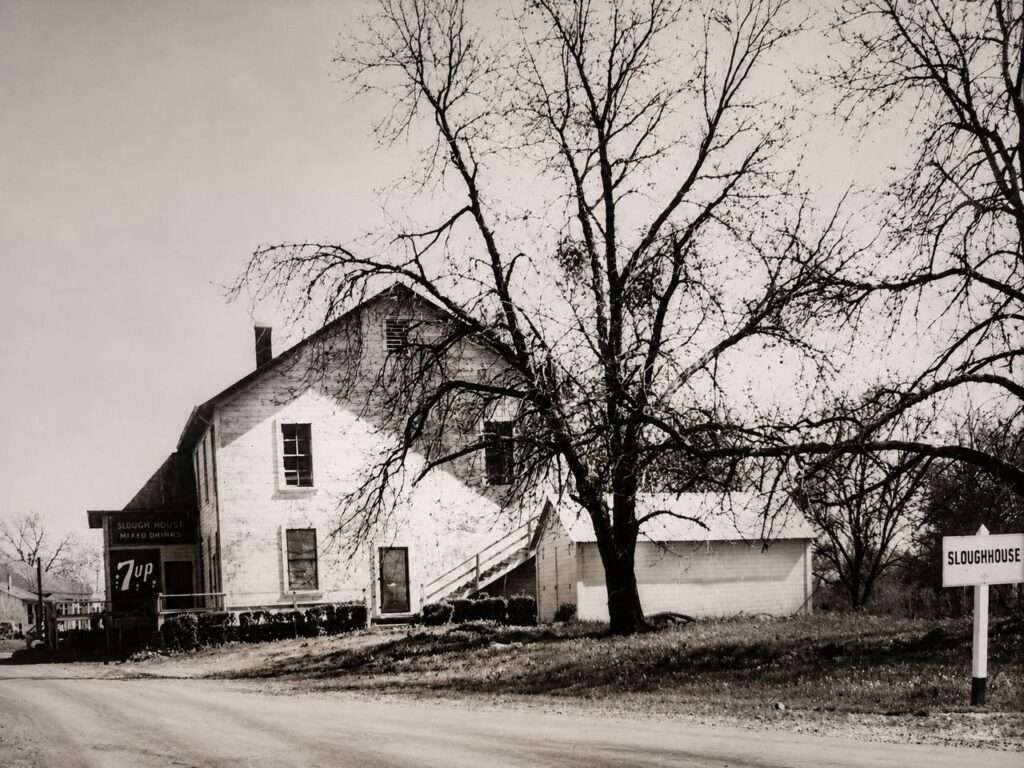
Slav and Alisa, what was the turning point that led you to create The Slough House Kitchen? When did you first realize this was the kind of restaurant you wanted to build?
Alisa: If I’m honest, our story didn’t begin with a restaurant at all. It began around the family table. In Slav’s family, food was never just part of everyday life. His mother was a professional chef, and several generations of his family worked in hospitality, so a love of cooking was simply part of who they were. It wasn’t just a profession. It was a family tradition that had been passed down from one generation to the next.
Slav: After we moved to the United States, we started with a small catering business. It was an important chapter in our journey, but we always knew that one day we wanted to create a place of our own. Not just another restaurant, but a place where people could gather around one table, relax, share conversations, and genuinely feel welcome.
When we first saw the historic Slough House building, it felt as though everything had finally come together. The history of the property, the surrounding countryside, the nearby farms and wineries, and the character of the entire community perfectly matched the restaurant we had always imagined. We didn’t simply want to open our doors to guests. We wanted to become part of this place and contribute our own chapter to its history.
“The restaurant was never our goal. We wanted to create a place where people could slow down, gather around one table, and spend meaningful time together.”
Where a Chef’s Philosophy Begins
As Slav talks about his approach to cooking, it quickly becomes clear that no recipe begins with a list of ingredients. Every dish is an extension of experiences that have been shaping him for years. Before long, the conversation moves far beyond the restaurant kitchen and back to childhood, family traditions, and lessons that no culinary school can teach.
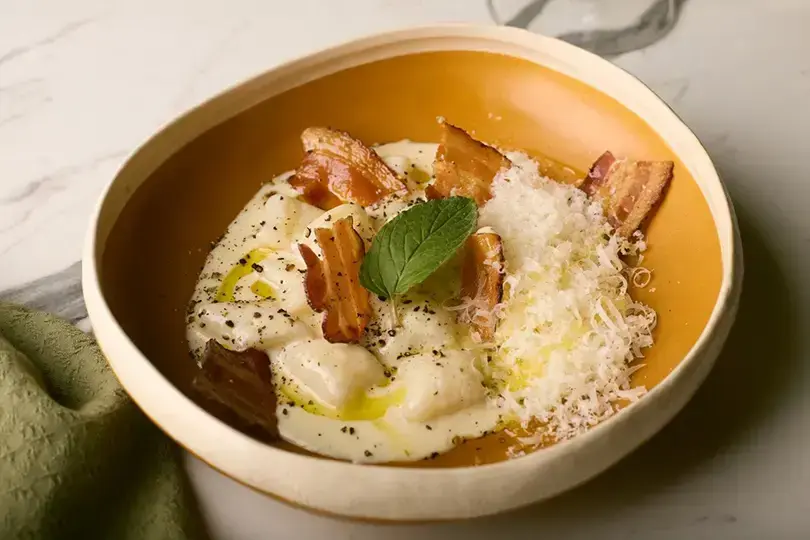
Slav, looking back, when did you first realize that cooking would become such an important part of your life?
Slav: I don’t think there was one defining moment. I grew up in a family where cooking was as natural as gathering around the table together. My mother was a chef, and from an early age I saw how much care, patience, and attention it takes to prepare truly good food. In our family, cooking was never viewed as a chore. It was a way of taking care of one another.
Later, my time working in Italy added another layer to that experience. It was there that I truly came to appreciate the importance of respecting the ingredients themselves. Italian cuisine taught me a very simple lesson: when your ingredients are exceptional, there is no need to complicate a dish just to impress people. Sometimes the hardest decision a chef can make is choosing not to add anything unnecessary.
Those principles continue to guide everything we do in our kitchen today. We prepare nearly everything from scratch, pay close attention to seasonality, and do our best to preserve the natural character of every ingredient. It takes considerably more time and effort, but we believe it is the most honest way to cook and the most respectful way to serve our guests.
“The hardest decision in cooking isn’t adding something new. It’s preserving the natural flavor of the ingredients without getting in their way.”
As Slav speaks, it becomes evident that the word tradition has little to do with nostalgia. For him, it is a daily discipline. It is not about recreating the past, but about preserving principles that continue to matter regardless of changing trends or culinary fashions.
When a Restaurant Becomes Part of a Story
Some restaurants open because a neighborhood needs another place to have dinner. Others are built around a fashionable concept or a promising business opportunity. And then there are those that take shape much more slowly, born not from a desire to earn culinary accolades, but from the belief that food has the unique ability to bring people together in the same effortless way families once gathered around a large dining table.
That is the story behind The Slough House Kitchen, a restaurant located in the historic community of Sloughhouse, just outside Sacramento. Some guests stop by on their way to the wineries of Amador County. Others choose it for family dinners, celebrations, or evenings with friends. Before long, however, it becomes clear that people return for more than the food. They come back for an atmosphere that cannot be created through recipes alone.
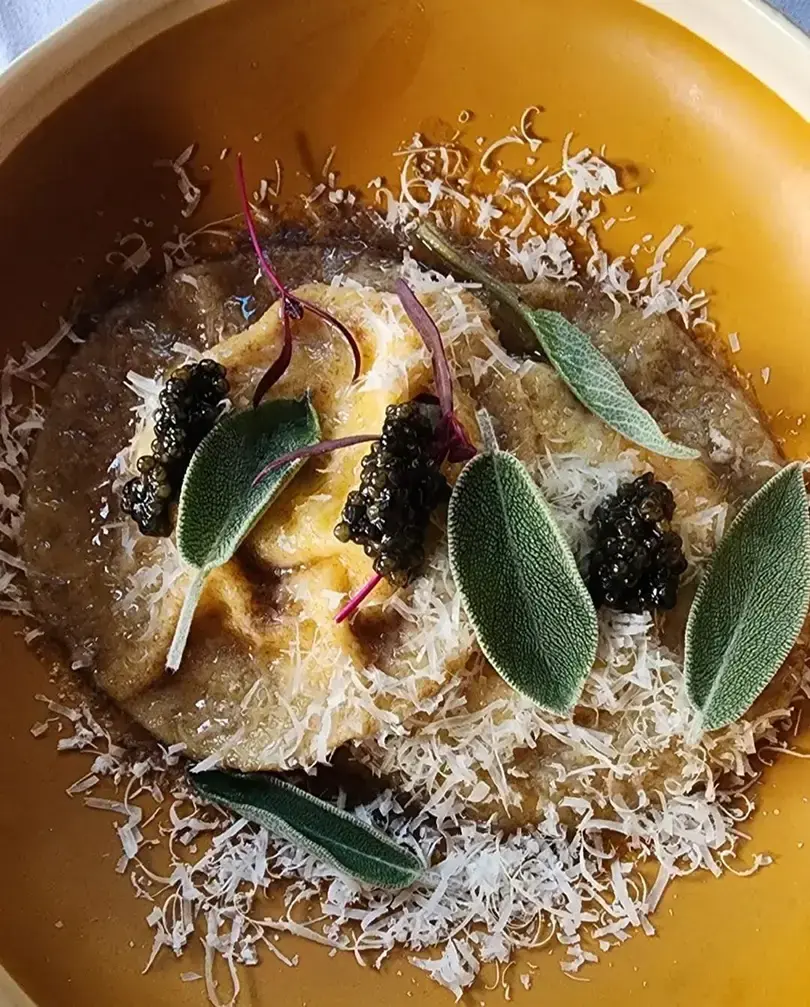
Behind the restaurant are husband-and-wife owners Veaceslav (Slav) and Alisa Lisagor. Their story is unlike the familiar narrative of entrepreneurial success often associated with the restaurant industry. During our conversation, words like competition, marketing, and rapid growth rarely come up. Instead, the discussion repeatedly returns to family, respect for craftsmanship, seasonal ingredients, the land where every meal begins, and the people who help preserve its abundance. It soon becomes clear that these seemingly simple ideas form the foundation of The Slough House Kitchen’s philosophy.
As we speak with Slav and Alisa, it becomes apparent that they rarely talk only about food. Almost every question about a new dish, their organic garden, or house-made bread gradually turns into a conversation about memory, family traditions, and human connection. For them, the restaurant was never an end in itself. It became a way to preserve something that is becoming increasingly rare in modern life: unhurried conversations around a shared table, respect for handcrafted work, and the understanding that every great meal begins long before it reaches the plate.
At a time when much of the restaurant industry is driven by speed, standardization, and scalability, they have consciously chosen a different path. It is a path that is more demanding, more labor-intensive, and far less convenient. One where patience cannot be replaced by technology, and where the trust of guests cannot be earned through a successful advertising campaign alone.
To truly understand what The Slough House Kitchen represents, it is not enough to open the menu. First, you have to meet the people who bring this place to life every day. That is exactly where our conversation with Slav and Alisa Lisagor began.
“People come to a restaurant for the food, but they return for an entirely different reason.”
The Story Began Long Before the Restaurant Opened
The story of The Slough House Kitchen began long before the lights were turned on inside the historic Slough House building. At first glance, it might seem that everything started with finding the perfect location or deciding to open a restaurant of their own. But after listening to Slav and Alisa, it becomes clear that the decision had taken shape years earlier. It grew gradually from family traditions, decades of experience, and a shared vision of what a restaurant should be: not simply a place where people come to eat, but a place where they come to spend meaningful time together.
When the conversation turns to those early beginnings, both of them almost instinctively return not to the restaurant itself, but to home and family.
Slav and Alisa, what was the turning point that led you to create The Slough House Kitchen? When did you first realize this was the kind of restaurant you wanted to build?
Alisa: If I’m honest, our story didn’t begin with a restaurant at all. It began around the family table. In Slav’s family, food was never just part of everyday life. His mother was a professional chef, and several generations of his family worked in hospitality, so a love of cooking was simply part of who they were. It wasn’t just a profession. It was a family tradition that had been passed down from one generation to the next.
Slav: After we moved to the United States, we started with a small catering business. It was an important chapter in our journey, but we always knew that one day we wanted to create a place of our own. Not just another restaurant, but a place where people could gather around one table, relax, share conversations, and genuinely feel welcome.
When we first saw the historic Slough House building, it felt as though everything had finally come together. The history of the property, the surrounding countryside, the nearby farms and wineries, and the character of the entire community perfectly matched the restaurant we had always imagined. We didn’t simply want to open our doors to guests. We wanted to become part of this place and contribute our own chapter to its history.
“The moment you begin compromising on quality and integrity, you risk losing the very reason you built the restaurant in the first place.”
Where a Chef’s Philosophy Begins
As Slav talks about his approach to cooking, it quickly becomes clear that no recipe begins with a list of ingredients. Every dish is an extension of experiences that have been shaping him for years. Before long, the conversation moves far beyond the restaurant kitchen and back to childhood, family traditions, and lessons that no culinary school can teach.
Slav, looking back, when did you first realize that cooking would become such an important part of your life?
Slav: I don’t think there was one defining moment. I grew up in a family where cooking was as natural as gathering around the table together. My mother was a chef, and from an early age I saw how much care, patience, and attention it takes to prepare truly good food. In our family, cooking was never viewed as a chore. It was a way of taking care of one another.
Later, my time working in Italy added another layer to that experience. It was there that I truly came to appreciate the importance of respecting the ingredients themselves. Italian cuisine taught me a very simple lesson: when your ingredients are exceptional, there is no need to complicate a dish just to impress people. Sometimes the hardest decision a chef can make is choosing not to add anything unnecessary.
Those principles continue to guide everything we do in our kitchen today. We prepare nearly everything from scratch, pay close attention to seasonality, and do our best to preserve the natural character of every ingredient. It takes considerably more time and effort, but we believe it is the most honest way to cook and the most respectful way to serve our guests.
As Slav speaks, it becomes evident that the word tradition has little to do with nostalgia. For him, it is a daily discipline. It is not about recreating the past, but about preserving principles that continue to matter regardless of changing trends or culinary fashions.
More Than a Meal
If Slav speaks about food with the precision of a craftsman who has spent years perfecting his skills, Alisa almost always speaks about people. As our conversation unfolds, it becomes apparent that they view the restaurant from two different perspectives. One thinks about what arrives on the plate. The other thinks about what remains in a guest’s memory long after the meal is over.
Alisa, many guests remember not only the food but also the atmosphere they experience here. How important is that feeling to you when someone walks through the doors of The Slough House Kitchen?
Alisa: Honestly, it may be the most important part of everything we do. Of course, people come to a restaurant expecting great food, but that’s not always why they return.
I want every guest to feel comfortable here. No unnecessary formality. No sense that they’re being served according to a scripted routine. When people relax, start talking, laugh together, and stay at their table longer than they planned, that’s when I know we’ve created the right atmosphere.
That’s probably why I enjoy getting to know our guests so much. I love hearing their stories, seeing families return, and meeting people who choose to celebrate important moments in their lives with us. Over time, many of them stop feeling like customers. They become part of the community that has grown around our restaurant.
“A great restaurant isn’t measured only by its food. Its true value lies in the memories people take home with them.”
So for you, the restaurant is much more than a business?
Alisa: Absolutely. I think that’s one of the reasons we’ve been able to build it together. Each of us has our own responsibilities, but we never make important decisions independently. Slav can spend hours refining a new dish, while I’m thinking about how a guest will remember the entire evening. In the end, it’s the combination of those two perspectives that keeps moving us forward.
Watching them together, you get the sense that they’ve developed an unspoken partnership over the years. One creates the flavor, while the other helps transform it into a lasting memory. Perhaps that is why every conversation about the restaurant naturally becomes a conversation about family. For Slav and Alisa, the two have long been inseparable.
Staying True to What Matters
By this point in our conversation, one thing has become unmistakably clear: the philosophy behind The Slough House Kitchen is built not on carefully crafted slogans, but on countless daily decisions. Yet every decision comes at a cost, especially in the restaurant business, where every additional hour of labor, every extra team member, and every ingredient prepared by hand has a direct impact on the bottom line.
Alisa and Slav, have there ever been moments when you asked yourselves, “Maybe we should make things easier?”
Slav: Of course there have. Anyone who owns a restaurant knows how demanding this business can be. After the pandemic, the entire industry faced labor shortages, rising costs, and ongoing supply chain disruptions. Almost every aspect of running a restaurant became more difficult and more expensive.
But we never seriously considered compromising on the things we truly believe in. Once you begin making compromises where quality and integrity matter most, it’s very easy to lose sight of the very reason you built the restaurant in the first place.
Alisa: I think the hardest part isn’t getting through a particular crisis. Crises eventually pass. What’s much more challenging is maintaining the same high standard every single day, even when guests never see how much work happens behind the scenes.
People see a beautiful dining room, a finished plate, and a smiling staff. What they don’t see are the hours of preparation, the countless daily decisions, and all the invisible work that makes those moments possible. In the end, that’s what shapes a guest’s experience.
What keeps you motivated?
Slav: Our guests. When someone comes back, brings their family or introduces us to friends, we know all of the effort is worthwhile. That means far more to us than ratings or awards ever could.
Alisa: There are moments you simply can’t measure with numbers. When guests tell us they celebrated their wedding anniversary here, introduced their families to one another for the first time, or simply enjoyed an evening together after months of being too busy, that’s when you realize the restaurant has become part of someone’s life. And honestly, that’s exactly why we continue doing what we do.
As the main part of our conversation came to a close, we asked Slav and Alisa a few final questions. They were no longer about business or the future of the restaurant, but about the people behind it, the experiences that have shaped them, and the values that continue to guide The Slough House Kitchen every day.
A Few Personal Questions
As our conversation drew to a close, we invited Slav and Alisa to answer a few more questions. These were no longer about business or restaurant strategy, but about the ideas and experiences that exist beyond the day-to-day operations and offer a deeper glimpse into the people behind The Slough House Kitchen.
If someone were visiting The Slough House Kitchen for the very first time, which three dishes would you recommend, and why do they best represent your philosophy as a chef?
Slav: I usually recommend starting with the dishes that tell our story best.
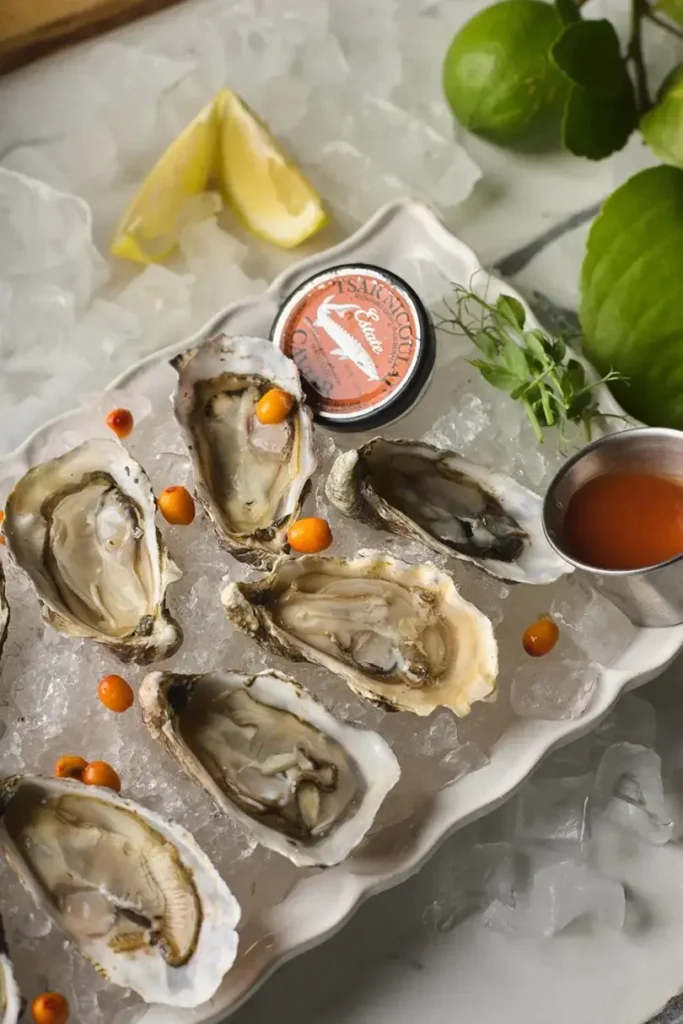
The first is our Cioppino. It’s a rich seafood stew featuring wild-caught seafood in our signature broth, made with fermented jalapeños and fresh herbs from our organic garden. It reflects our respect for exceptional ingredients and our belief that bold flavors should always remain natural and balanced.
The second is our Seasonal Corn Risotto with Wild Scallops. The Sloughhouse area has long been known for its corn harvest, and each season inspires us to create dishes that showcase local ingredients at their absolute peak. This risotto embodies our farm-to-table philosophy and our commitment to building menus around what nature provides, rather than serving the same dishes year-round.
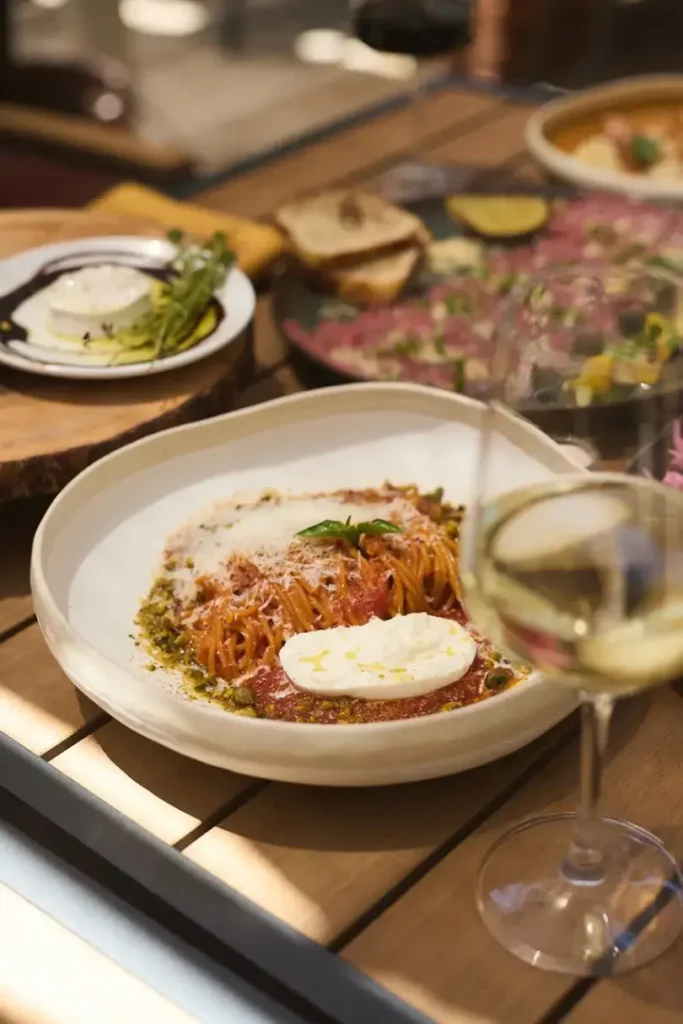
Finally, I would recommend either our Wood Fire Grilled Steak or one of our Signature Handmade Pastas. The steak is cooked over a real wood fire and finished with fresh herbs from our garden. Our pasta is made by hand every day using our own recipe and just a handful of carefully selected ingredients.
Together, these dishes reflect a simple truth: truly great food doesn’t have to be complicated. When you begin with outstanding ingredients and treat them with respect, the ingredients tell their own story.
More than anything, these dishes represent everything we believe in: seasonal cooking, honest craftsmanship, locally sourced ingredients, and the power of sharing a meal that brings people together around one table.
Alisa, if you could invite anyone from the past or present to dinner, who would you want sitting around your table?
Alisa: I think it would be fascinating to bring together people who, at first glance, seem to belong to completely different worlds. I would invite Jared Dixon Sheldon, the founder of Slough House, because this place exists thanks to his vision. I would invite Leonardo da Vinci for his endless curiosity, Julia Child for making fine cooking approachable to millions of people, and Anthony Bourdain, who showed the world better than almost anyone else that the most meaningful stories about culture begin around a shared table.
What would success mean to you ten years from now?
Slav: I hope The Slough House Kitchen becomes part of the history of this place. I want people to come here not because the restaurant happens to be fashionable, but because they know that nothing here is ever done halfway. I hope we continue working with local farmers, continue expanding our organic garden, host educational gatherings, and preserve the atmosphere that keeps people coming back again and again.
Perhaps that final answer says more than anything else we discussed throughout the day. Over several hours of conversation, we heard very little about expansion plans, opening multiple locations, or building a restaurant empire. Instead, the words that surfaced again and again were quality, respect, trust, and community. Perhaps that is why the story of The Slough House Kitchen feels less like the story of another successful restaurant and more like the story of two people who chose not to take the easiest path—and who have remained remarkably faithful to that decision ever since.
More Than a Restaurant
As we left The Slough House Kitchen, it was impossible not to return to the thought that had quietly shaped our entire conversation.
Some restaurants exist because the market demands another dining destination. Others are born from a promising business opportunity. But every so often, a place emerges that cannot be explained by exceptional food, beautiful interiors, or even a well-crafted concept alone.
After spending several hours with Slav and Alisa, it became clear that The Slough House Kitchen is a reflection of the way they choose to live their lives. They are not trying to impress people with bold statements or elaborate culinary experiments. Instead, they remain deeply committed to the values they genuinely believe in: respecting the ingredients they work with, honoring traditional craftsmanship, supporting local farmers and producers, and creating a place where people naturally want to linger a little longer than they had planned.
Perhaps that is why our conversation about a restaurant gradually became a conversation about something much larger: trust, patience, family traditions, and the importance of genuine human connection. In a world that continues to move faster every year, these qualities increasingly feel like luxuries. Yet they may also be the strongest foundation for anything built with lasting purpose.
At some point, a truly great restaurant is no longer measured by the number of tables it serves, the reviews it receives, or the awards displayed on its walls. Instead, it is remembered for entirely different reasons: the atmosphere people experienced, the conversations they shared, the relationships they strengthened, and the memories that somehow became more meaningful than the meal itself. Those are the things no menu can ever promise. They are created by people.
And perhaps that is why the story of The Slough House Kitchen is not simply the story of a restaurant in Northern California. It is the story of two people who chose to build a place where flavor becomes part of memory, and where hospitality is the natural extension of family values. Judging by the number of guests who continue to return, it is a vision they have truly brought to life.
⸻
Editor’s Note: Located in historic Sloughhouse, California, The Slough House Kitchenoffers seasonal menus, house-made specialties, and thoughtfully crafted dishes featuring ingredients from the restaurant’s organic garden and regional farms. To learn more, visit www.sloughhousekitchen.com or follow @sloughhousekitchen on Instagram.
The Slough House Kitchen
12700 Meiss Rd. Sloughhouse, CA 95683
Email: welcome@theshkitchen.com
Phone: (279) 209-6409