When blood pressure rises, many people start looking for a food that can quickly improve their numbers. The internet recommends lemon, garlic, cocoa, green tea, and dozens of other remedies. But no single food can cure hypertension or replace medication prescribed by a doctor. Blood pressure is affected by your entire diet, salt intake, weight, physical activity, sleep, alcohol use, and how consistently you take your medication.
One of the most thoroughly studied eating patterns is the DASH diet. It was created specifically to help prevent and control high blood pressure. The basic idea is simple: eat more vegetables, fruits, whole grains, beans, fish, nuts, and low fat dairy products. At the same time, reduce salt, fatty meats, processed meats, sugary drinks, and foods high in saturated fat. DASH does not require rare or expensive ingredients. What matters most is consistency and the right combination of everyday foods.
Vegetables should be on the table every day. Red bell peppers contain vitamin C, fiber, and other helpful nutrients. They can be added to salads, roasted, or eaten with hummus. However, peppers do not lower blood pressure instantly. Their real benefit appears when they replace salty snacks, processed meat, or other heavily processed foods.
Do not limit yourself to peppers. Tomatoes, broccoli, spinach, carrots, beets, zucchini, and leafy greens are also good choices. Fresh and frozen vegetables are usually equally suitable. When buying canned vegetables, check the sodium content on the label. If they contain a lot of salt, rinse them with water before eating.
Fruit makes the diet more varied and provides potassium, fiber, and vitamins. Bananas are often called the main food for heart health, but they are not the only source of potassium. Oranges, melons, apricots, potatoes, sweet potatoes, spinach, broccoli, beans, dairy products, and fish also contain potassium. Getting enough potassium from food helps the body balance the effects of sodium.
People with kidney disease should not increase their potassium intake without speaking with a doctor. Caution is also necessary for people taking certain medications for high blood pressure or heart failure. This includes some ACE inhibitors, angiotensin receptor blockers, and potassium sparing diuretics. In these situations, too much potassium can be dangerous. For the same reason, do not switch to salt substitutes containing potassium chloride without medical advice.
Low fat cottage cheese, plain yogurt, kefir, and milk can provide protein, calcium, potassium, and magnesium. However, cottage cheese is not always low in salt. Some varieties contain a surprisingly high amount of sodium. Compare labels and choose products with no added sugar and the lowest possible sodium content. Flavored yogurt is less helpful because it may contain a large amount of added sugar.
Salmon, sardines, trout, herring, and other fatty fish contain omega 3 fatty acids. Fish is best baked, steamed, or grilled. Salted, smoked, and canned fish may contain too much sodium, which makes them less suitable for an everyday menu. Even a nutritious food can lose some of its benefits when it is heavily salted or served with a rich sauce.
Beans are among the most affordable foods for a blood pressure friendly diet. Beans, lentils, peas, and chickpeas provide plant protein, fiber, magnesium, and potassium. They are filling and can replace processed meat, fatty meat, or prepared foods several times a week. Choose canned beans with no added salt whenever possible, or rinse them thoroughly before eating.
Whole grain foods help increase fiber intake. Good options include oatmeal, buckwheat, brown rice, whole grain bread, and whole grain pasta. When choosing bread, look beyond the words “whole grain” and check the sodium content. Bread may not taste salty, but when eaten frequently, it can become a significant source of sodium.
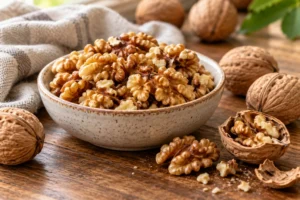
Unsalted pumpkin seeds, almonds, walnuts, and pistachios contain magnesium, protein, and healthy fats. A suitable portion is a small handful. Nuts are high in calories, so they should not be eaten without limits. It is especially important to choose products without salt, sugar coatings, or sweet flavorings.
Cocoa without a large amount of sugar and a few pieces of dark chocolate can be part of a balanced diet. But chocolate should not be treated as medicine for hypertension. It may contain a lot of sugar, saturated fat, and calories. The larger the portion, the faster any possible benefit is outweighed by the extra calorie load.
Unsweetened green tea is a suitable alternative to sugary drinks for most people. However, it does not dissolve cholesterol plaques or clean the arteries. Green tea contains caffeine, which can temporarily raise blood pressure or cause a racing heartbeat in some people. If you are sensitive to caffeine, choose a lightly brewed tea or a caffeine free option. Coffee, energy drinks, and strong tea should not be consumed within 30 minutes before checking your blood pressure because they may make the reading higher than usual.
The most important change often involves removing something rather than adding a new food. Reducing salt can make a real difference. Too much sodium can contribute to high blood pressure, and most of it does not come from the salt shaker. Major hidden sources include sausage, ham, bacon, pizza, prepared soups, sauces, chips, salted nuts, fast food, and restaurant meals.
For most adults, the general goal is less than 2,300 milligrams of sodium per day. With the DASH diet, reducing sodium to 1,500 milligrams may provide an additional benefit for blood pressure, but your personal target should be discussed with a healthcare professional. When reading food labels, check the amount of sodium in one serving and consider how many servings you actually eat. A product labeled “natural” or “healthy” is not necessarily low in salt.
It is easier to change your diet gradually. Start by removing the salt shaker from the table. Then replace processed meat with baked chicken or turkey, add vegetables to lunch, and give up salty snacks. Use lemon juice, garlic, paprika, herbs, and other spices for flavor. After a few weeks, less salty food usually stops tasting bland.
A simple daily menu might look like this. For breakfast, choose oatmeal with berries and plain yogurt. Lunch could include lentils, a vegetable salad, and a slice of whole grain bread. For dinner, try baked salmon with broccoli and brown rice. A piece of fruit, unsalted seeds, or a small handful of nuts can work as a snack. This is not a strict plan. It is simply an example of how DASH foods can fit into everyday life.
Nutrition can help control blood pressure, but it does not replace treatment. Never stop taking your medication or change the dose on your own after a few good readings. Record your home readings and show them to your doctor. The American Heart Association recommends using an automatic monitor with a cuff that fits around the upper arm. Before taking a reading, sit quietly for five minutes, do not talk, keep your arm at heart level, and take two readings one minute apart.
If your blood pressure is higher than 180/120, wait at least one minute and check it again. If the second reading remains this high, contact a medical professional as soon as possible. If you also have chest pain, shortness of breath, weakness, numbness, vision changes, or difficulty speaking, call 911 in the United States or your local emergency service immediately. Do not try to lower dangerously high blood pressure with food, tea, or an extra dose of medication unless a healthcare professional tells you to do so.
Healthy eating for hypertension does not begin with buying a trendy product. It begins with daily choices. More simple plant foods, less hidden salt, regular blood pressure checks, and careful treatment can do far more than any product promoted as an “artery cleanser.”