Inside the Best Business Awards Ceremony & Gala, Miss California International, and a Growing Collaboration Connecting Business, Media and Leadership from California to Florida
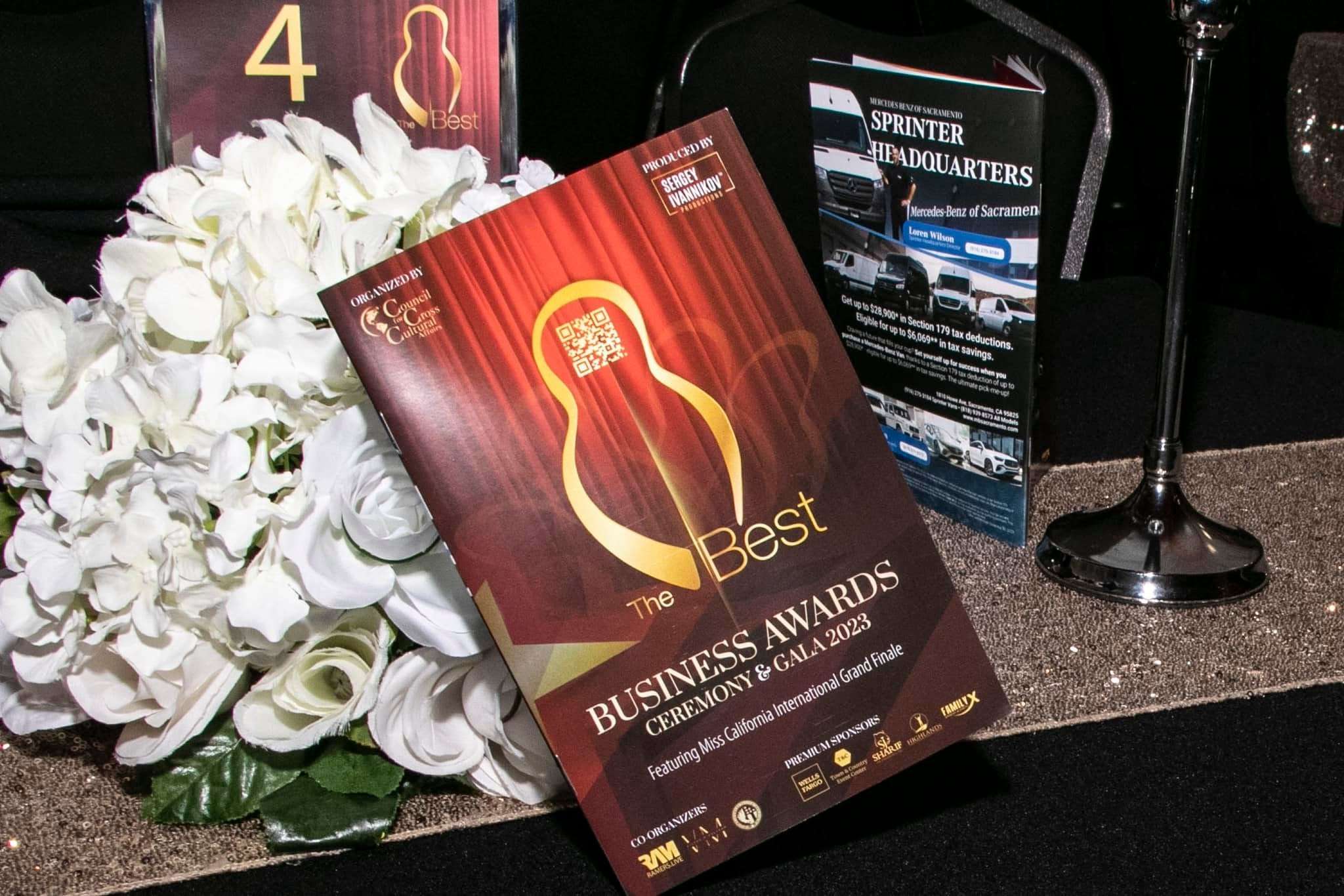
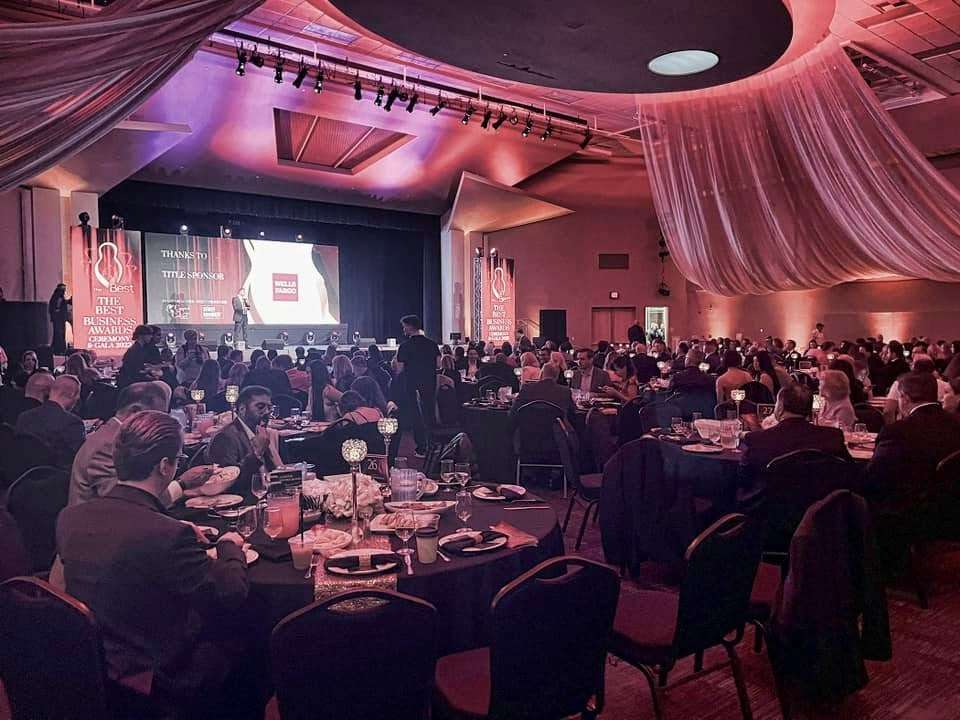
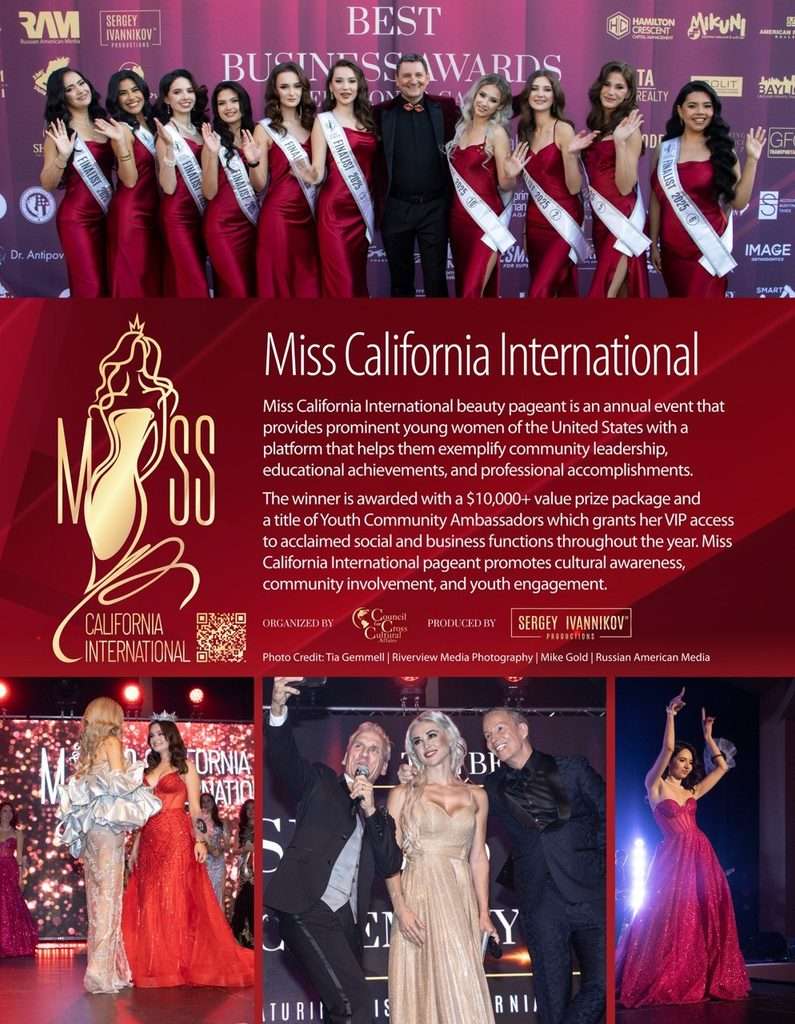
A ballroom can look effortless once the lights come on. Guests arrive dressed for the evening. Cameras turn toward the red carpet. Business leaders recognize familiar faces across the room. Finalists prepare backstage. Awards wait to be presented. Somewhere between introductions, photographs and dinner, conversations begin that were never written into the program. What the audience sees is one evening. What it does not see are the months of work required to put the right people in that room. The 23rd Annual Best Business Awards Ceremony & Gala, featuring the Miss California International Grand Finale, brings together two platforms that may appear very different at first. One recognizes entrepreneurs, professionals and community leaders who have already established themselves and created a record of meaningful achievement. The other introduces ambitious finalists who are beginning to shape their professional and public roles and discover the leaders they may become. Yet both platforms depend on something remarkably similar: being prepared when visibility arrives. That same idea is also at the center of a growing professional relationship between California and Florida. For this special New Times Magazine interview, Alexander Serebriakoff, President of AMA South Florida, part of the American Marketing Association, speaks with Sergey Ivannikov, Producer of the Best Business Awards Ceremony & Gala, and Alisa Yurchenko, President of the Council For Cross Cultural Affairs and organizer of Miss California International. Their conversation reflects a broader collaboration among professionals who see value in connecting business, marketing, media and community leadership beyond their immediate markets. The conversation begins with the Gala, but quickly becomes about something much larger. What actually happens when accomplished people are deliberately brought together? Why does personal reputation matter even more in a digital economy? What can an award do for a business after the applause ends? And on the other side of the same evening, what does it really mean to prepare a finalist to step onto a public stage where appearance may attract attention, but character determines what happens next? The answers begin long before anyone walks the red carpet.
THE BUSINESS OF BEING IN THE ROOM
Alexander Serebriakoff (AS): Sergey, you have spent more than 29 years bringing business owners, professionals, media leaders and community figures together. When you look at the Best Business Awards Ceremony & Gala today, what is its real purpose? What did you want to create beyond another evening where awards are presented?
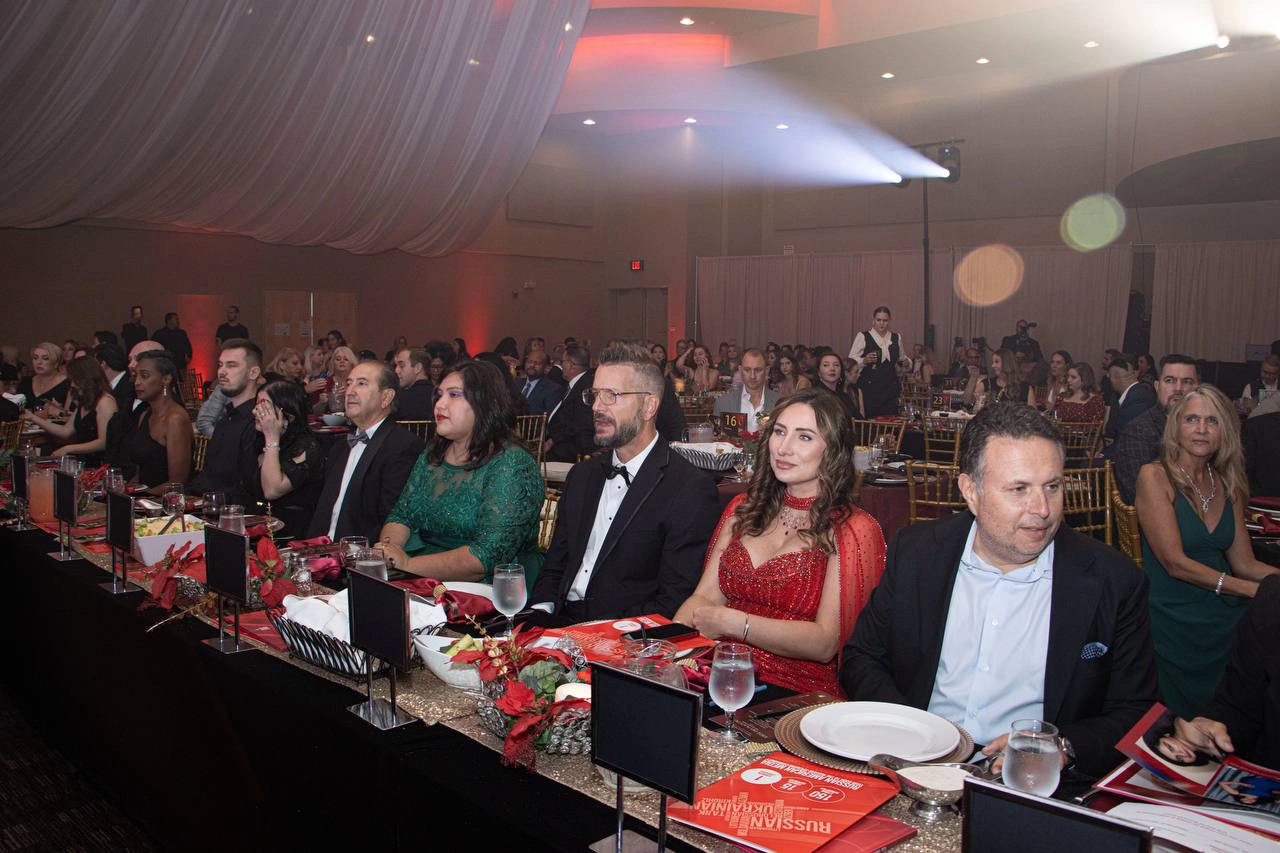
Sergey Ivannikov (SI): From the beginning, I never wanted to create another event where people simply come, receive an award, take a photograph, enjoy dinner, and go home. An award should be the beginning of something, not the end. Practically from the beginning of Russian American Media, I have watched many of our clients grow because someone introduced an entrepreneur to the right person at the right moment. I have seen business owners find clients, partners, mentors and friends through relationships that began with a single conversation. Sometimes you immediately understand that an introduction matters. Other times, nothing significant seems to happen that evening, and then months later you discover that two people who met at your event are now working together. That is why, for me, the Gala is first and foremost about creating an environment where accomplished and ambitious people can discover each other. Recognition matters. People spend years building companies, developing careers and contributing to their communities, often without anyone publicly acknowledging what they have accomplished. There should be a moment when that work receives the recognition it deserves. But I am always especially interested in what happens around that moment. Who did you meet before receiving the award? Who heard your story? Who sat beside you at dinner? What conversation continued the following week? That is when an event becomes much more valuable than one beautiful evening.

AS: That sounds less like event production and more like business development.
SI: In many ways, it is. People sometimes separate these things too much. They put marketing in one box, networking in another, media somewhere else and community involvement in another category entirely. In reality, reputation is built through all of them at the same time. Despite the rapid development of technology, business is still fundamentally built on people and the relationships between them. One of the most valuable pieces of advice I received many years ago came from one of my mentors, C.C. Yin. His family owns more than 32 McDonald’s restaurants, and under his leadership APAPA, Asian Pacific American Public Affairs, became one of America’s largest nonprofit organizations focused on civic education. His advice was very simple: “Get out of your office.” It was one of the best pieces of advice I have ever received, and it had a significant influence on the development of my company. You can spend your entire day answering emails, managing operations and solving problems. All of that is necessary. But if nobody outside your existing circle knows you, if you are not entering new rooms and building relationships before you need them, you are limiting your own business. Technology has made communication faster. It has not eliminated the importance of trust. Sometimes a ten minute conversation over dinner tells you more about a person than months of emails.

AS: That resonates strongly in marketing as well. A company can be genuinely excellent and still remain almost invisible. Why do you think so many capable entrepreneurs struggle with that?
SI: Because many business owners assume that excellence will automatically lead to visibility. Unfortunately, the market makes no such promise. You can have the best product in your category and still lose business to a competitor who communicates better, develops stronger relationships and understands how to position the company. I look at business development in three very simple terms: be a professional at what you do, be visible and build relationships with people. All three matter equally. If you are visible but your product is weak, people will eventually discover that. Marketing cannot permanently protect a poor product or poor service. If you are excellent but invisible, the market may simply never discover you. And if you are excellent and visible but fail to build relationships, you still limit how far your reputation can travel. Networking, media engagement and community involvement should not be treated as things you do only when you have extra time. Done correctly, they are part of the business itself.


WHEN PUBLICITY BECOMES REPUTATION
AS: You operate at the intersection of media, business and community engagement, so let’s stay with visibility for a moment. There is an important difference between attracting attention and building credibility. How should entrepreneurs approach media if they want the second rather than simply the first?
SI: The biggest mistake is approaching media only when you want to sell something. People recognize that very quickly. Strategic media presence helps people understand who you are before you ever ask them to buy from you. Your expertise matters. Your story matters. Your achievements matter. Your community involvement matters. Even the way you communicate your values contributes to how people perceive your business. Advertising can tell people what you sell. A strong interview or professional profile can help them understand why they should trust you. But one article does not create a brand. One photograph does not create a reputation. Credibility is cumulative. People need to encounter you consistently in credible, professional environments. Over time, those impressions begin to form a complete picture. That is why I tell business owners not to begin with the question, “How can I get more publicity?” Ask instead, “What do I want people to understand about me and my business?” That changes the strategy completely.
AS: Recognition is another form of credibility. Once a business owner receives an award, what should happen next?
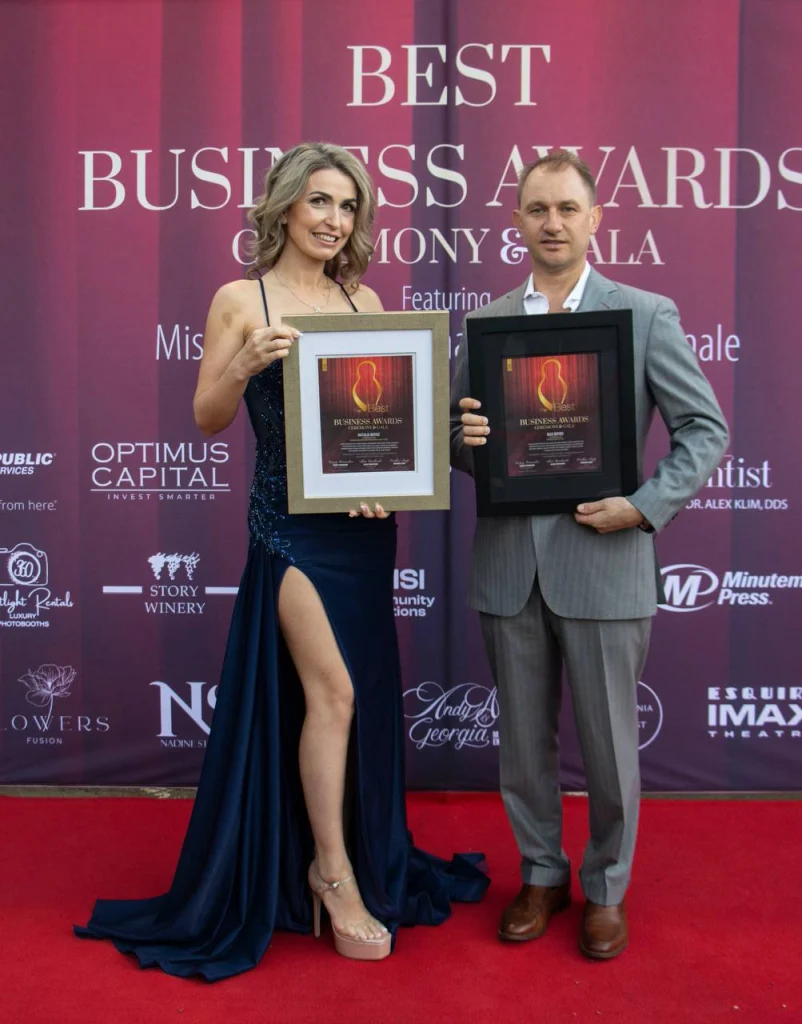
SI: Use it. That sounds obvious, but many people do not. They receive recognition, put the award on a shelf, post one photograph and move on. I think that wastes a significant part of the opportunity. Recognition should become part of your professional story. Share it with your clients. Include it in your media materials. Explain what the recognition represents. Thank the employees, customers and partners who helped you earn it. At the same time, an award creates an expectation. If you are recognized as one of the best, people will expect you to perform at that level. So recognition is not only an opportunity. It is also a responsibility. An award may open a door. Your reputation determines whether that door remains open.

AS: Have you actually seen a single introduction at an event later develop into something substantial?
SI: Many times. That is one reason I remain so committed to live events. The interesting thing is that the most important result is often completely invisible on the night of the event. Two people exchange contact information. Maybe they talk for five minutes. Later, they meet for coffee. Months afterward, they are doing business together, supporting a nonprofit project or introducing each other to someone else. My role is often simply to create the right environment and make the introduction. What they build afterward becomes their story. That is also why I tell people not to enter a room asking only, “What can I get tonight?” That is a very limited approach to networking. Ask yourself who you can meet. Ask what you can learn. Ask whether there is someone in the room you should know even if neither of you needs anything from the other today. Relationships that begin only when you need something often feel transactional. Strong relationships usually begin much earlier.
FROM THE BOARDROOM TO THE STAGE
The conversation about visibility changes when attention shifts from established business leaders to the finalists preparing for Miss California International. The environment is different. The stakes are different. So is the stage of life. But the question of what happens when people begin paying attention remains the same. For Alisa Yurchenko, that is precisely where the work becomes most interesting.
AS: Alisa, someone attending the Gala for the first time might wonder why a business awards ceremony and Miss California International belong in the same evening. You work directly with the finalists. What is the connection from your perspective?
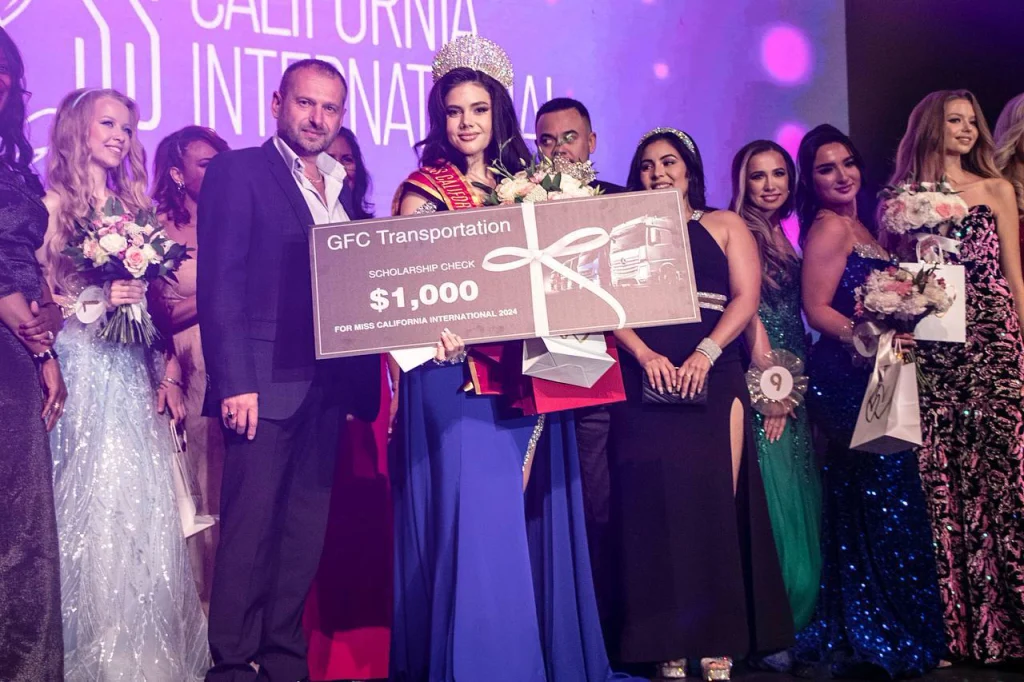
Alisa Yurchenko (AY): For me, the connection is leadership, simply at different stages. The business honorees have already built something. They have taken risks, created companies, developed careers and contributed to their communities. Many of them spent years becoming the people they are today when they enter that ballroom. Our Miss California International finalists are at another point in that journey. Some are only beginning to understand how powerful their voices can become. They are learning how to communicate, handle pressure and enter professional environments with confidence. That is why I enjoy bringing these two worlds together. Our finalists are not performing in an isolated pageant environment where everyone around them comes from the same world. They are in a room with public officials, entrepreneurs, executives, community leaders, media professionals and people who have built serious careers. They can look around and see what achievement looks like in many different forms. At the same time, established leaders see another generation developing in front of them. A prestigious crown and title are powerful symbols, but the real value of that title lies in the opportunities it creates and in what the woman chooses to do with them.
AS: Let’s address that directly. People still hear the word “pageant” and assume appearance is the primary qualification. What are you actually looking for when you evaluate a finalist?
AY: Beauty matters in a beauty competition, and there is no reason to pretend otherwise. But beauty alone is not enough. We look for intelligence, confidence, discipline, kindness, communication skills and a genuine desire to contribute. And we pay particular attention to how a finalist behaves when she thinks nobody is watching. How does she treat another contestant? How does she speak to the team? Does she respect other people’s time? Can she accept feedback without treating it as a personal attack? Does she arrive prepared? Those things tell you much more about a person than a rehearsed answer ever can. A titleholder represents more than herself. She will appear before businesses, community organizations, young people and public leaders. People will associate her behavior with Miss California International and with the organizations she represents. So yes, image matters. Presentation matters. But there must also be substance behind the image.

AS: What happens when a finalist walks onto a live stage? There is no editing, no second take and no way to control every reaction in the room.
AY: That is exactly why the experience is so valuable. Confidence cannot be developed only in front of a mirror or a camera. When you step onto a live stage, that moment belongs to you whether it goes perfectly or not. An audience is watching. Judges are evaluating you. There are lights, cameras and pressure, and you still have to remain composed, listen, respond and be yourself. That develops much more than stage presence. It develops emotional control, communication, preparation and resilience. I always tell our finalists that the goal is not to become somebody else for one evening. I do not want to see women trying to reproduce the same idea of how a titleholder is supposed to look and sound. The goal is to discover the strongest version of yourself and learn how to present that woman confidently. Those skills remain with the finalists far longer than the competition itself.

BEING SEEN IS ONLY THE FIRST TEST
AS: Sergey spoke about the difference between visibility and credibility in business. For your finalists, visibility can arrive very quickly. How do you teach them to be seen without making attention itself the goal?
AY: Getting attention is easy. Being remembered for the right reason is much harder. A beautiful dress, makeup or hairstyle may make someone notice you for a few seconds, but your character, intelligence, communication and the way you treat people determine what they remember later. We encourage our finalists to understand their own stories. What do you believe in? What genuinely matters to you? What can you contribute? Why should someone remember your name after meeting the other finalists? Real presence begins when you stop trying to copy someone else. That matters in everyday life, and it matters even more on social media. Young women today face enormous pressure to look perfect all the time, but when everyone is trying to present the same flawlessly polished image, people can actually become less interesting. Authenticity does not mean sharing every private thought online. It means understanding who you are, knowing what you stand for and allowing people to see your personality, your interests, your work and your growth. A titleholder also has to understand that public visibility carries responsibility. Before posting something, one simple question can help: “Does this represent the woman and leader I want people to know?” That is not about pretending to be perfect. It is about being intentional.
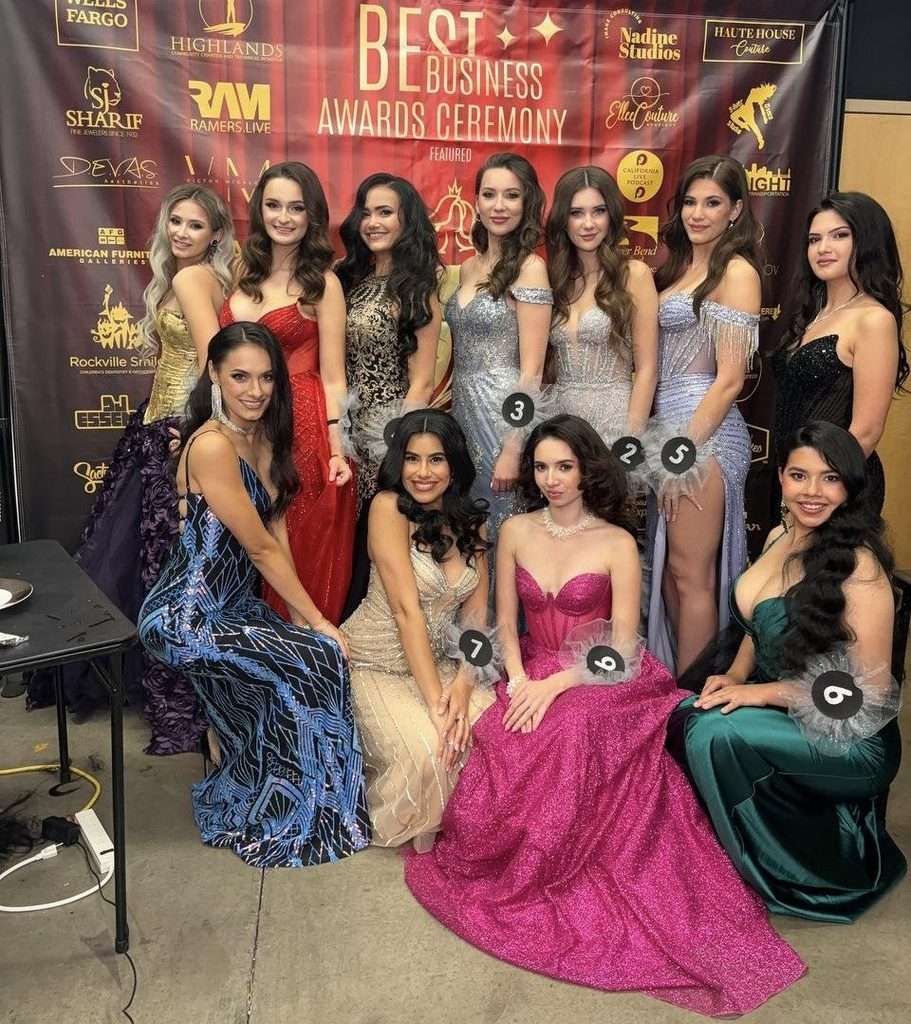
AS: Does that responsibility change once the crown is actually placed on the winner’s head?
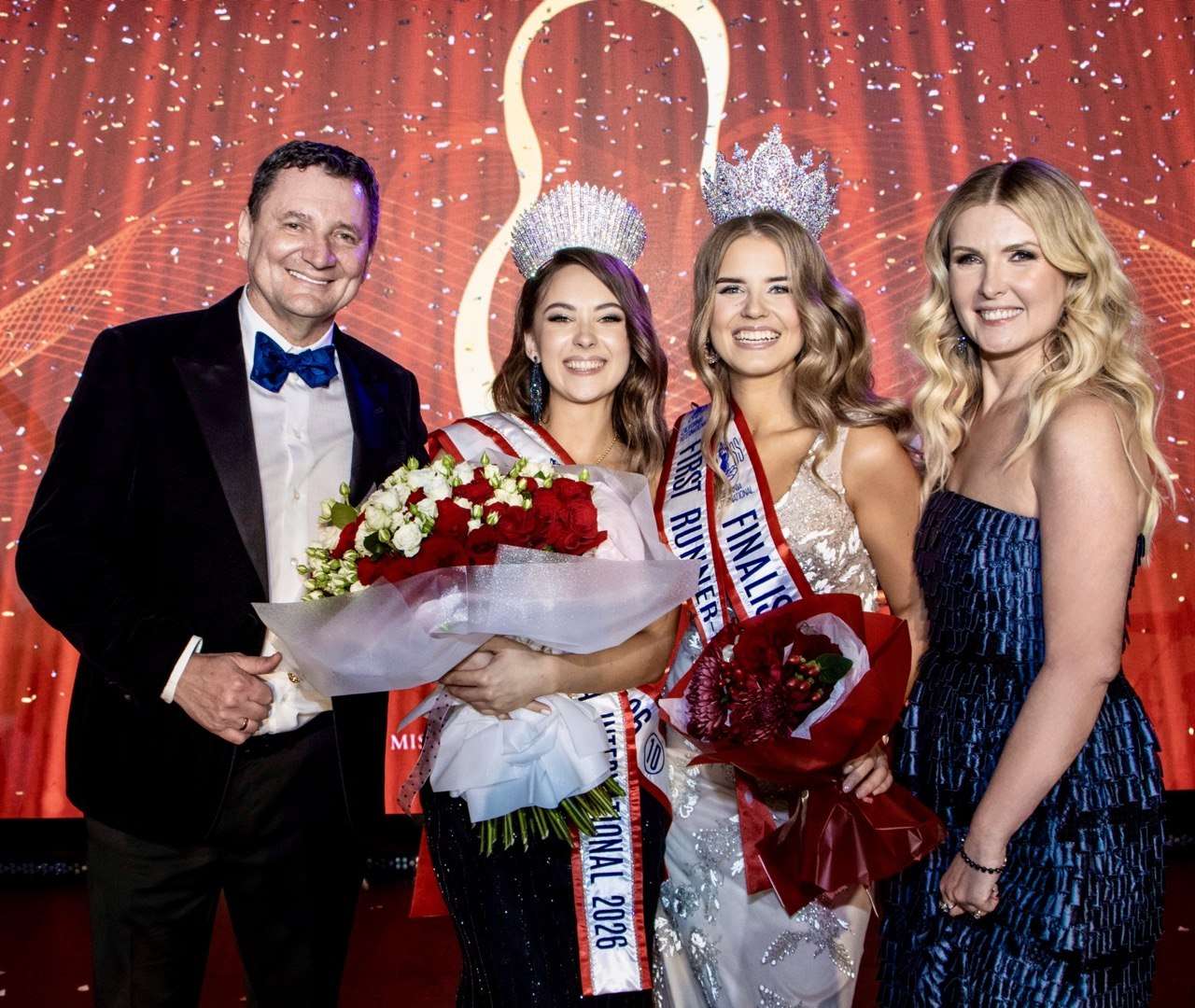
AY: Absolutely. The crown is where the real work begins. Suddenly, more people are paying attention to what you say, where you appear and how you represent yourself. That visibility should be used for something meaningful. We expect our titleholder to participate in community initiatives, support worthy causes, serve as a positive example for young people and represent Miss California International professionally. Leadership is not about having people look at you. Leadership is about what you do once people are looking. That distinction is extremely important to me.
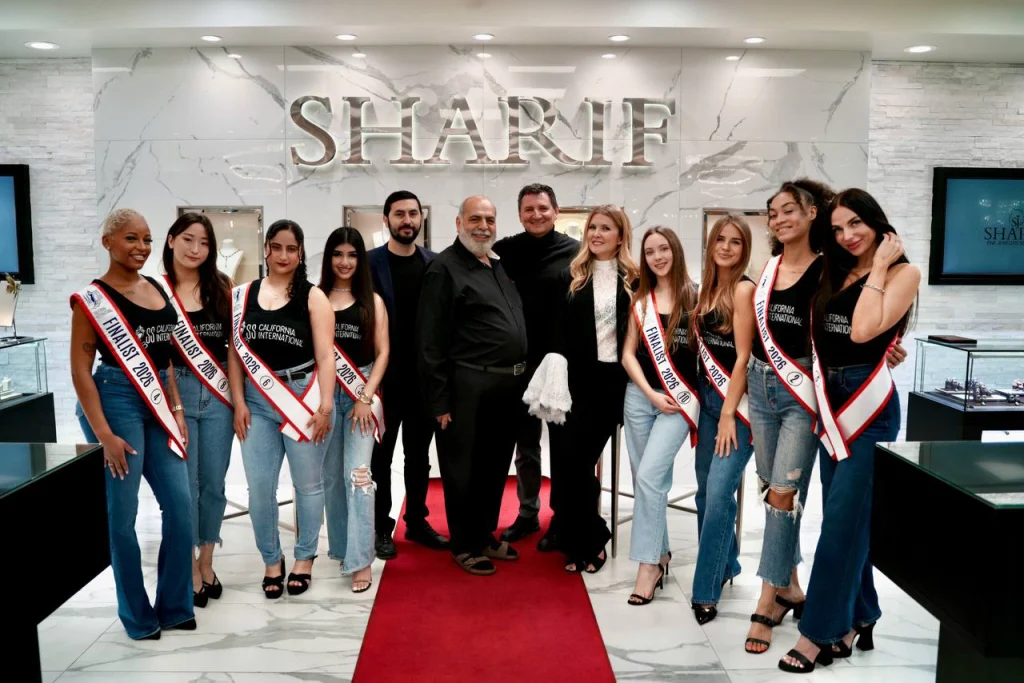
CONNECTIONS THAT OUTLAST THE COMPETITION
AS: Earlier, Sergey described relationships that begin at an event and develop months later. Does something similar happen with the finalists through the mentors, coaches and professionals they meet?
AY: Absolutely. Sometimes a finalist enters the program thinking only about the competition and leaves with a completely different vision for her future. She may meet a mentor who recognizes potential she has not yet seen in herself. A photographer may help her understand professional presentation differently. A coach may transform the way she communicates. An entrepreneur she meets through the program may later become an employer, a client or an important professional connection. That is why I do not measure the success of Miss California International only by who wins. Of course, the title matters. There is one crown and one titleholder. But if a finalist becomes more confident, builds meaningful relationships, develops professional skills and leaves with a broader vision of what she can accomplish, the program has already given her something genuinely valuable regardless of the final result. This is also where support from experienced business, marketing and media professionals makes a real difference. The mission of the Council For Cross Cultural Affairs is to connect people across cultures, generations and professional communities. Miss California International gives finalists a platform, but that platform becomes much more valuable when accomplished professionals are willing to share their knowledge, relationships and experience. Through those connections, our finalists begin to see a world beyond the pageant stage. They meet entrepreneurs, media professionals, community leaders and mentors. They begin to understand that the skills they are developing can translate into education, careers, entrepreneurship and community leadership. We are not preparing women simply to wear a crown. We want each titleholder to understand what she can do with the visibility, relationships and opportunities that come with it.
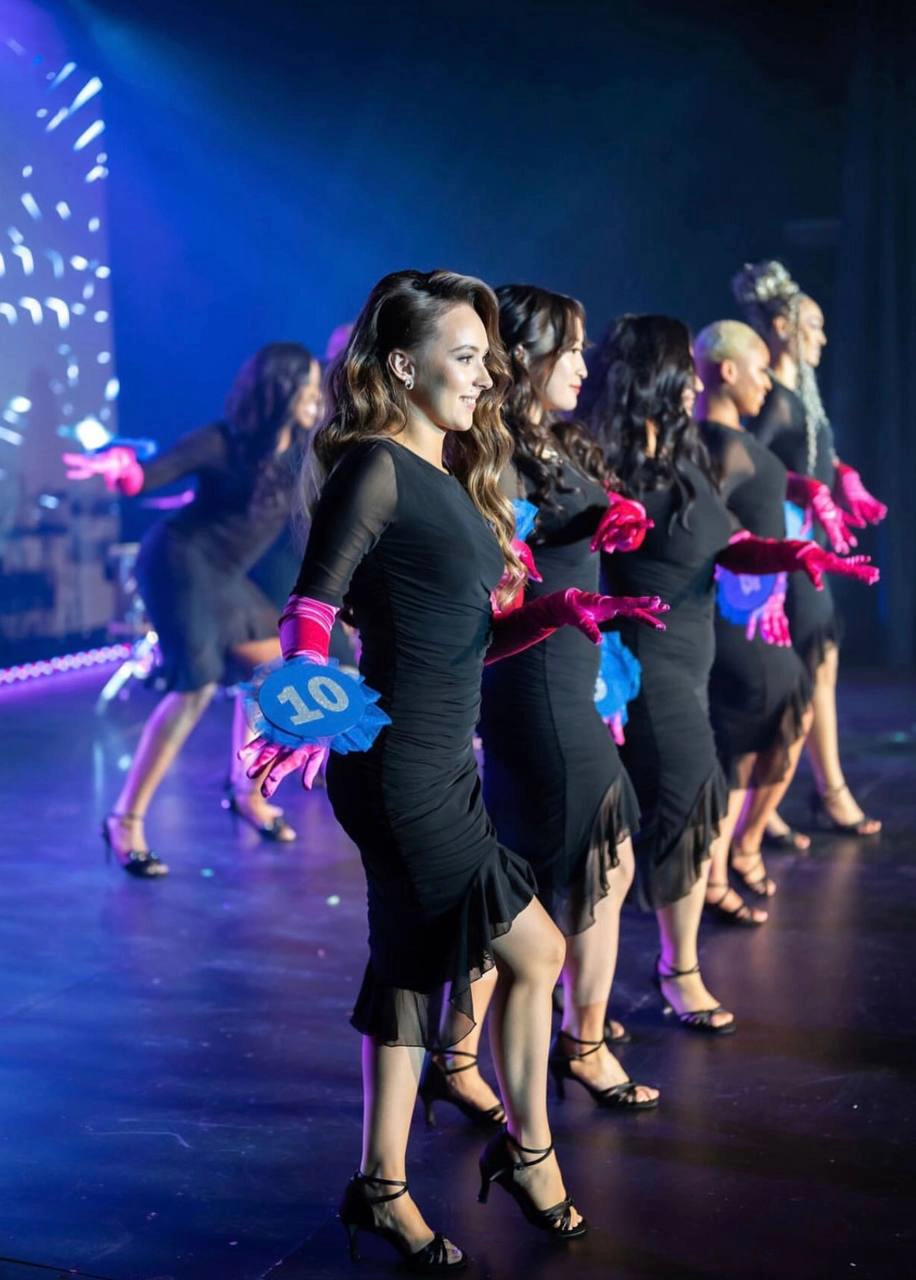

CONNECTIONS THAT OUTLAST THE COMPETITION
AS: Earlier, Sergey described relationships that begin at an event and develop months later. Does something similar happen with the finalists through the mentors, coaches and professionals they meet?
AY: Definitely. Sometimes a finalist enters the program thinking only about the competition and leaves with a completely different vision for her future. She may meet a mentor who sees potential she has not recognized in herself. A photographer may help her understand professional presentation differently. A coach may change the way she communicates. A businessperson she meets through the program may later become an employer, a client or another important professional connection. That is why I do not measure the success of Miss California International only by who wins. Of course the title matters. There is one crown and one titleholder.
But if a woman becomes more confident, builds meaningful relationships, learns professional skills and leaves with a larger vision of what she can do next, the experience has produced something valuable regardless of the final result.
This is also where support from experienced business, marketing and media professionals makes a real difference. The Council For Cross-Cultural Affairs has always been about connecting people across cultures, generations and professional communities. Miss California International gives young women a platform, but the platform becomes much more useful when accomplished professionals are willing to share knowledge, relationships and experience. Through those connections, finalists begin to see a world beyond the pageant stage. They meet entrepreneurs. They meet media professionals. They meet community leaders and mentors. They begin to understand that the skills they are developing can translate into education, careers, entrepreneurship and community leadership. We are not preparing a young woman simply to wear a crown. We want her to understand what she can do with the visibility and relationships that come with it.
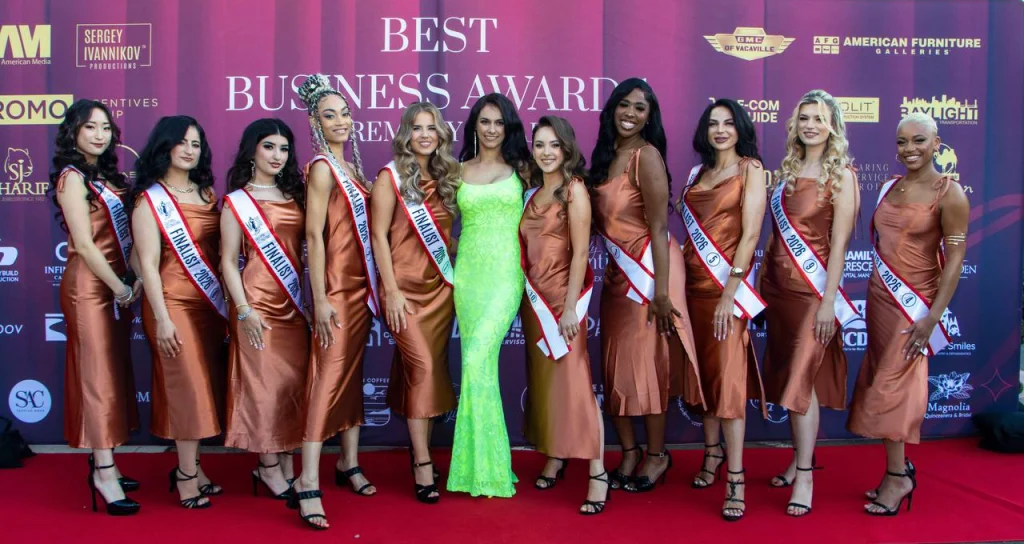
CALIFORNIA, FLORIDA AND A MUCH LARGER ROOM
AS: Sergey, as President of AMA South Florida, I work in one of the country’s most active and diverse business markets, while you have spent decades developing media, business and community relationships here in California’s capital. On the map, Sacramento and South Florida are thousands of miles apart, but professionally that distance matters less and less. Our own relationship is a good example. What should entrepreneurs understand today about building professional relationships beyond their city or state?
SI: Geography should not define the scale of your thinking. A company may be physically located in Sacramento, Miami or any other city, but its customers, partners, relationships and media presence can extend across the country. That does not happen automatically. Entrepreneurs have to deliberately build networks beyond their familiar circles. Attend conferences. Join professional organizations. Collaborate with media. Visit other markets. Meet people before you need something from them. Our relationship is a good example. You are in Florida, and we are discussing an event in California. We are based in California, yet we also support and sponsor your events in Florida. That is how relationships between markets are built. Geography stops being a barrier when there are shared interests, trust and a genuine desire to develop the relationship. AMA South Florida brings a different professional network and perspective into this conversation, while we bring our experience from California. That creates a bridge. But the point is not simply to say, “Now we have a connection in Florida.” The much more interesting question is: what can grow from that connection? Can professionals meet who otherwise would never have met? Can ideas travel between markets? Can organizations discover opportunities to collaborate? Can media introduce audiences to people and projects beyond their usual geography? That is what interests me. The strongest entrepreneurs increasingly think in terms of networks, not ZIP codes.

AS: That is one reason I personally support the mission of this event. Marketing organizations cannot exist only within their own professional circles. There is real value in creating spaces where business, media and community leadership intersect. What does this kind of collaboration mean to you as the Gala continues to develop?
SI: It means a great deal to me because strong platforms grow when people are willing to build meaningful relationships beyond the circles they already know. Russian American Media has always believed that business and community development become stronger when leaders from different markets exchange ideas, share experiences and create opportunities together. Your participation and support are a good example of that kind of relationship. They bring a Florida perspective into a California conversation, but I do not believe that connection should exist only around one event. I am interested in what happens next: new conversations, introductions, projects and opportunities for professionals in both markets to learn from each other. California and Florida can become two points in a much larger professional network connecting media, marketing, business and community leaders who are doing meaningful work. That is how I see collaboration. It should open another door, not simply add another logo.
WHAT TECHNOLOGY CANNOT REPLACE
AS: Today, it is impossible to have a serious conversation about marketing without talking about artificial intelligence. Digital platforms are changing almost monthly. Does that make the personal relationships we have been discussing less important?
SI: I think it makes them more valuable. AI can write faster, analyze faster and automate an enormous number of processes that once consumed a tremendous amount of time. It is a powerful tool, and businesses that ignore these technologies will find it increasingly difficult to compete. But something else is happening at the same time. As content becomes easier to create and communication becomes easier to automate, genuine human trust becomes more valuable. AI can help you prepare for a meeting, but it cannot build the relationship for you. It can help create a marketing campaign, but it cannot shake someone’s hand, read the room or build years of trust between two people. That does not make technology the enemy. Quite the opposite. The future belongs to entrepreneurs who understand both worlds. Use technology aggressively wherever it makes you better, but never outsource the things that make you human.
WHAT REMAINS AFTER THE ROOM EMPTIES
By the end of the conversation, business development, marketing, pageantry, media and community leadership no longer seem like separate subjects. They all return to the same practical question: What happens after someone has been given access to a room, a platform, an audience or an opportunity? For Sergey, the answer may not become visible for months. For Alisa, sometimes it can be seen in the way a finalist walks off the stage.
AS: Sergey, when the evening is coming to an end, the awards have been presented and the final guests are leaving the ballroom, what personally tells you that the event was truly successful?
SI: Not the number of photographs. Not the decorations. Not even the number of people in the room. I know an event was successful when people leave with something they did not have when they arrived. Maybe it is a new friendship or business relationship. Maybe someone finally received recognition for years of work. Maybe a young entrepreneur met a mentor. Maybe two companies discovered an opportunity to work together. Sometimes the real result does not become visible until months later, when someone calls and says, “Sergey, remember the person you introduced me to at the Gala? Look what came from that.” That is success to me. I do not want people to leave saying only, “That was an incredible event. The program was amazing, and the seven course dinner was outstanding.” Of course, creating a beautiful, memorable evening matters to us. Every detail, from the red carpet and program to the atmosphere and dinner, contributes to the overall experience. But real success begins with another question: What did someone take home besides photographs and good memories? Who did they meet? What conversation did they begin? What new opportunity did they discover? I want people to look back on our event and say, “That is where I met the person who later became my business partner, my client, my mentor or my friend.” That is when I know we created something genuinely valuable. And I want them to leave asking one more question: “What can happen next?”

AS: Alisa, you see the same evening from backstage and from the stage. What is the moment that tells you all of this was truly worthwhile?
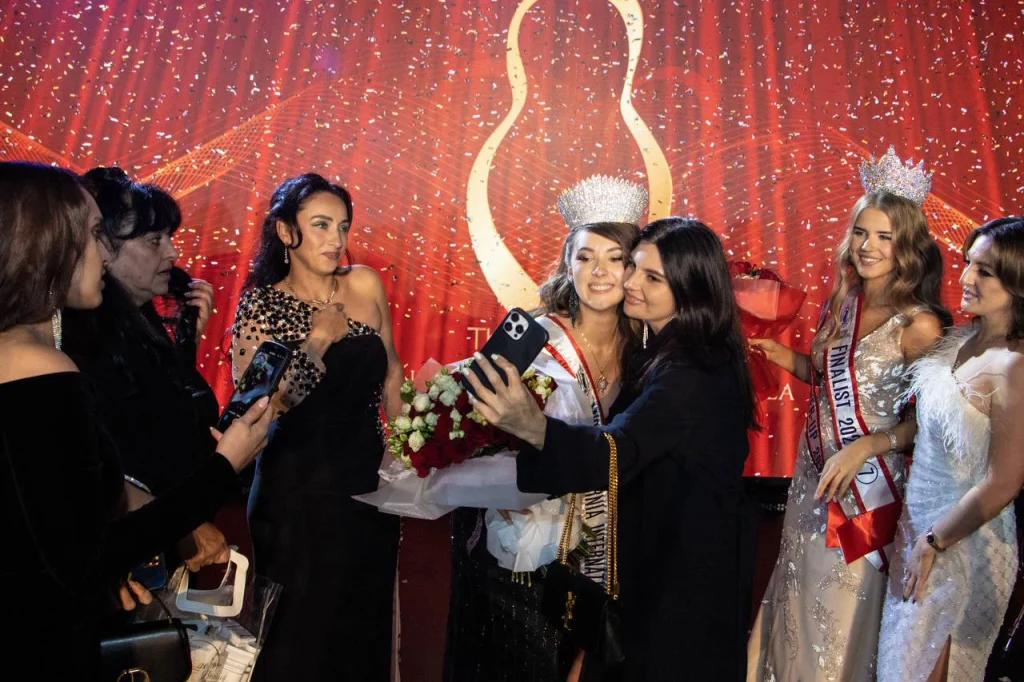
AY: I watch all of the finalists. Only one finalist receives the Miss California International title and crown. That moment is emotional and beautiful, and it should be. But I am watching the other women too. I want to see who they have become by the end of the program compared with who they were when they first came to us. I want them to recognize how much they have learned, how many people they have met and what they now understand about themselves. There can only be one titleholder, but I do not believe there should be only one woman who gains something truly valuable from the experience. If our finalists leave more confident, better prepared, better connected and with a clearer understanding of what they want to do next, then the Grand Finale has accomplished its purpose.
WHAT MATTERS MOST BEGINS AFTERWARD
As we conclude this conversation, I want to reflect on what I believe most clearly connects these two platforms within one evening. The Best Business Awards Ceremony & Gala recognizes people whose work, achievements and contributions have already created a story worthy of recognition. Miss California International introduces finalists who are at a different stage of their journey. They are beginning to shape their professional and public stories, discover their potential and understand how they can use the opportunities in front of them. One platform allows us to recognize what has already been built. The other invites us to consider what may be built next. As President of AMA South Florida, I especially value the opportunity to be part of this dialogue and to support the development of professional relationships between our organizations and two dynamic markets. The collaboration among Russian American Media, New Times Magazine, the Council For Cross Cultural Affairs and the professional community surrounding AMA South Florida demonstrates how much more becomes possible when we move beyond our familiar circles. California and Florida may sit on opposite sides of the country, but professionally, the distance between us is becoming smaller. We support each other’s events, exchange experience, introduce people, reach new audiences and create opportunities for future collaboration. That, to me, is where relationships like these become especially valuable. Business meets media. Experienced leaders meet a new generation. People from different professions and different parts of the country enter the same room and begin conversations that might never have happened without a platform that brought them together. We can never know in advance where a particular introduction will lead. The most valuable professional relationships rarely begin with an understanding of just how important they may eventually become. Sometimes they begin with an introduction. Sometimes with a conversation at the same table. Sometimes with a shared event. And sometimes with an interview between people in California and Florida who realize that the conversation is worth continuing. At the end of the evening, the ballroom lights will go down. One finalist will receive the crown. The honorees will take their awards home. The guests will leave, and the photographs will remain as reminders of the evening. But to me, the most interesting part begins after that. Which introductions will continue? Which ideas will become projects? Which professional relationships will grow into partnerships? Which new doors will open for the entrepreneurs, leaders and finalists who stepped onto that stage? That is why I believe the true value of an event like this cannot be measured only by what happened inside the ballroom. It is measured by what people do with the recognition, relationships and opportunities they carry with them after they leave. And perhaps that is the most important question with which to end our conversation: What happens next?
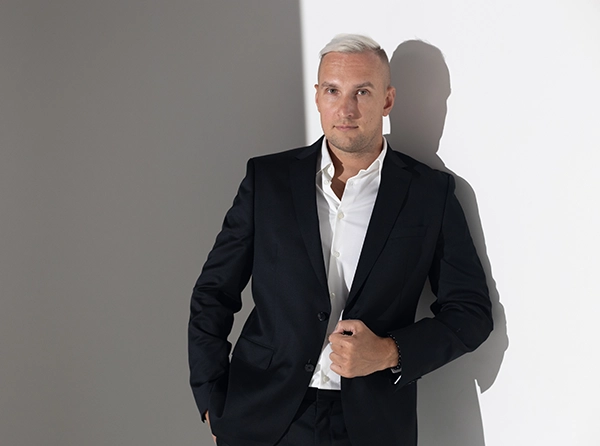
Alexander Serebriakoff | President, AMA South Florida | American Marketing Association