How traveling the world, motherhood, and one unexpectedly missed opportunity inspired Arina Pfaff to create an American children’s clothing brand.
An interview with Arina Pfaff, Founder and CEO of KADA, an award winning California premium children’s fashion boutique
Before KADA had a name, a boutique, or its first collection, Arina Pfaff had already spent years collecting ideas without realizing it. From Kyiv to California, and across 47 countries in between, she was observing how different cultures celebrate childhood through color, craftsmanship, tradition, and style. The idea for KADA, however, emerged from a much more unexpected turn. After moving to the United States, Arina set out to purchase an existing children’s clothing boutique. She searched for financing and began imagining what she could build around the business, only to discover that the store had been sold before she could acquire it.
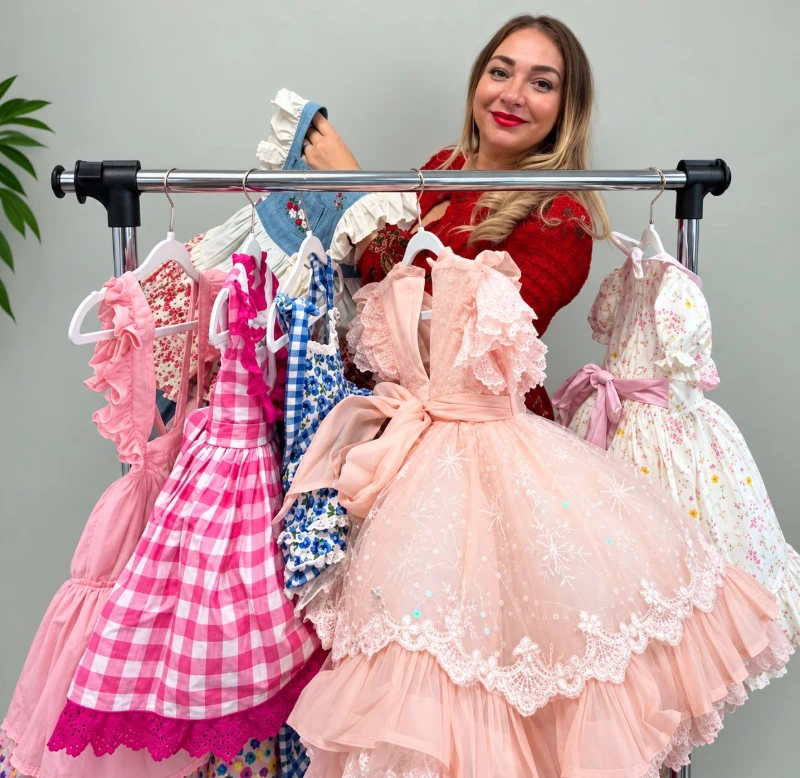
New Times Magazine editor Alexandra Yatsevich spoke with Arina about the unusual story behind KADA, the influence of her daughters, the lessons she brought home from 47 countries, and why, instead of simply opening a store, she decided to create a brand of her own.
Arina, before we talk about KADA, where does your own story begin?
My story begins in Kyiv, Ukraine. I was born there, and those early years shaped my appreciation for beautiful things, details, craftsmanship, and the emotions that objects can carry. But I think my perspective truly expanded when I began traveling. Today, I have visited 47 countries, and each one has given me a different way of looking at people, families, children, traditions, colors, fabrics, and style.
Forty seven countries is an extraordinary amount of travel. What did you begin to notice about children and the way childhood itself is perceived as you experienced different cultures?
I realized that childhood is universal, but every culture expresses it in its own way. Children everywhere share the same curiosity and joy for life, but every country surrounds them with different colors, traditions, celebrations, textures, and aesthetics. I began paying attention to those differences. That experience stayed with me and later became very important when I started developing KADA.
Do those 47 countries actually influence what you create today, or is travel primarily part of your personal story?
They absolutely influence the way I see design. I do not want KADA to simply reproduce traditional clothing or copy any particular culture. The influence is much more subtle. It might appear in a mood, a silhouette, a color combination, embroidery, a particular detail, or even in the feeling that stayed with me after visiting a certain place. Travel taught me how many different interpretations of beauty exist in the world.
You came to the United States six years ago. Did you already know then that you wanted to work in fashion?
No. And that is one of the interesting parts of my story. I did not come to America with a ready made plan saying, “I am going to create a California children’s clothing brand.” The idea developed gradually through my own experience as a mother and a customer.
When did you first become interested specifically in the children’s clothing business?
I found a children’s boutique where I began buying clothes, including pieces made from bamboo fabric. I shopped there quite often because I genuinely liked the products, and gradually I became interested in the concept of the store itself. At one point, the owner suggested that I consider buying the entire boutique.
And did you seriously consider buying it?
Yes. I saw potential in it, but at the time I did not have the funds necessary to purchase the business. I began looking for financing and thinking about how I could make the idea work. But by the time I was ready to move forward, the boutique had already been sold.
At the time, did losing that opportunity feel like a failure?
Of course, it was disappointing. I had already imagined what I could do with that store. But today, looking back, I think losing that opportunity became one of the most important things that happened. If I had bought that store, I might have put all my energy into developing someone else’s concept instead of discovering and creating my own.
What turned that disappointment into KADA?
Friends asked me a very simple question: Why buy someone else’s business when you can create your own California brand. That question completely changed the way I approached the idea. Instead of thinking about how to acquire an existing boutique, I began asking myself: What would I create if I could define absolutely everything myself? That question ultimately became the beginning of KADA.
The name KADA also has a very personal meaning. How did it come about?
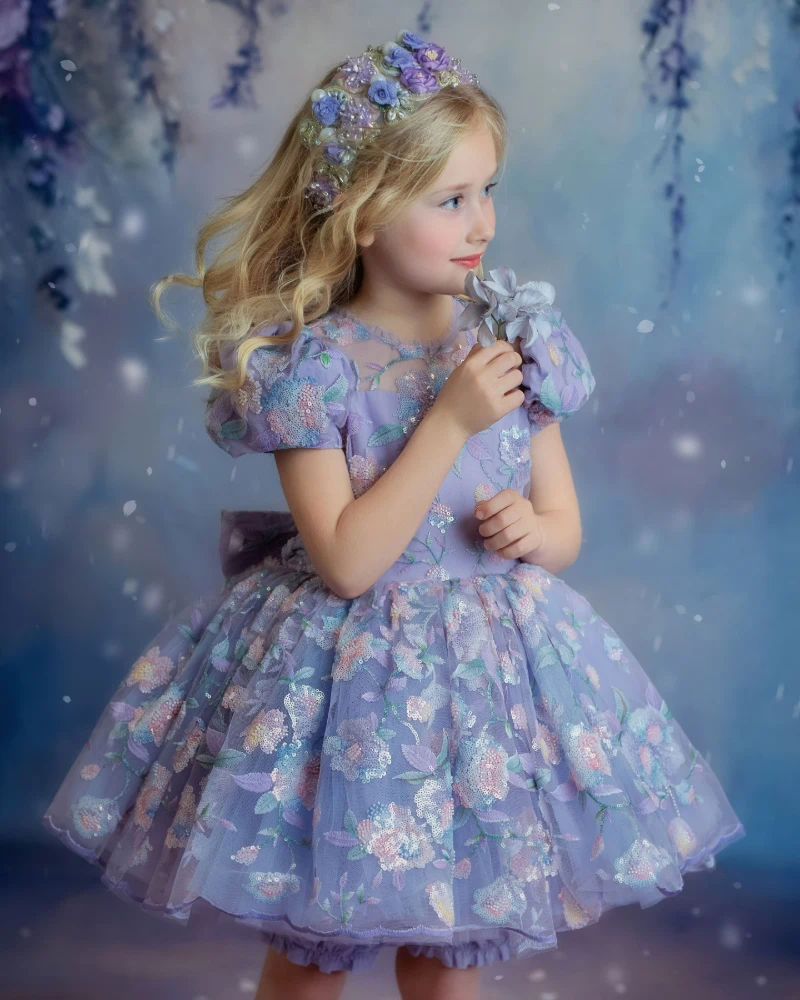
The name KADA was inspired by the names of my two older daughters, Kaylee and Daniella. They were part of this story from the very beginning, so I wanted the name itself to have a connection to my family rather than simply sound like the name of a fashion brand. Later, my younger daughter Malina also became an important source of inspiration and influenced the development of a softer, more refined direction for the brand, focused on pieces that families want to preserve and pass on to future generations.
How did motherhood change the way you think about children’s clothing?
When you become a mother, the criteria change completely. You can look at a beautiful dress through the eyes of a designer or a customer, but when you imagine your own child wearing it, you begin asking very different questions. Is it comfortable? Can the child move freely? Will she want to wear it again? How well is it made? Would I personally feel comfortable putting this on my own child? For me, beauty cannot be separated from the child who will actually wear the clothing.
At what point did KADA stop being simply a boutique and become a brand with its own design identity?
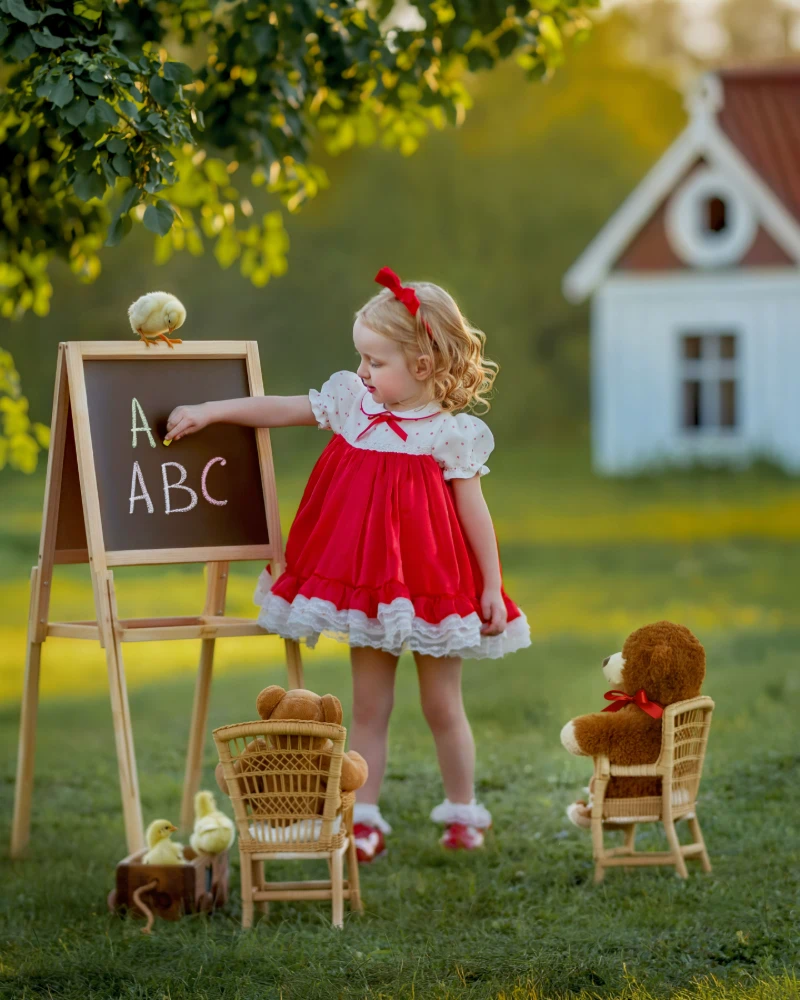
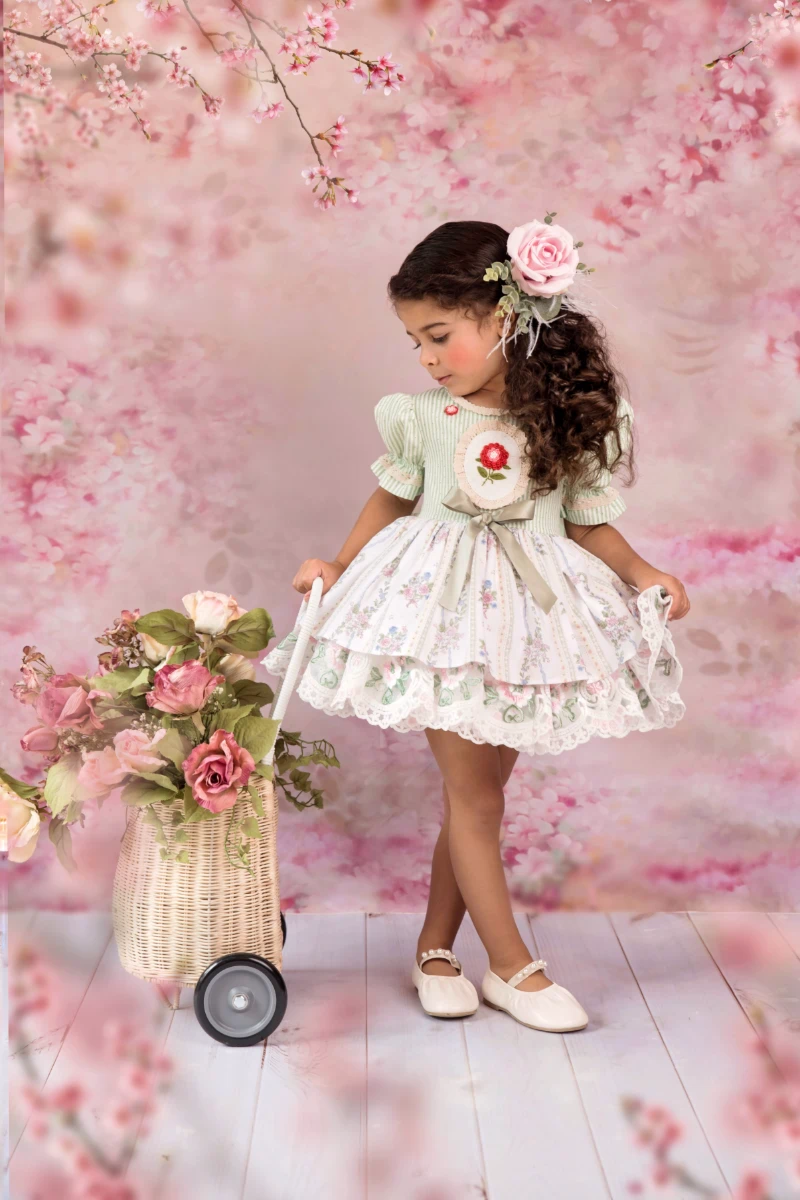
That happened when we began developing our own products and became more deeply involved in the manufacturing process. I realized that I did not want to simply select clothing that already existed. I wanted to participate in creating the pieces themselves, choosing fabrics, colors, silhouettes, and details, and shaping the overall mood of each collection. As KADA developed, we established manufacturing relationships in China, India, and Europe, allowing us to move from simply selecting finished products to developing our own designs and collections.
You mentioned China. Some customers still automatically associate manufacturing in China with the mass market. How do you reconcile overseas manufacturing with KADA’s premium positioning?
I believe that perception is outdated. Many of the world’s leading brands in fashion, luxury goods, technology, and consumer products manufacture their products or individual components in China. Today, China has some of the most advanced manufacturing capabilities in the world. The real question is not where something is made, but how it is made, what materials are selected, what standards are established, and how carefully the entire process is controlled. KADA does not purchase standard mass market clothing simply to put our name on it. We develop our own concepts, select fabrics, colors, silhouettes, and details, and work with manufacturing partners capable of producing our designs according to the standards we establish. We also intentionally produce limited collections rather than competing on production volume. When it comes to children’s clothing, quality and safety are especially important. Our products undergo quality control and must comply with applicable children’s product safety requirements before reaching the customer. For me, premium quality is not defined by the country of origin printed on a label. It is defined by the quality of the design, materials, and execution, attention to detail, safety standards, and the experience we provide to the customer. Those are the criteria by which I want KADA to be judged.
Children’s clothing involves a particular level of responsibility because the end consumer is a child. What role do quality and safety play in your decisions?
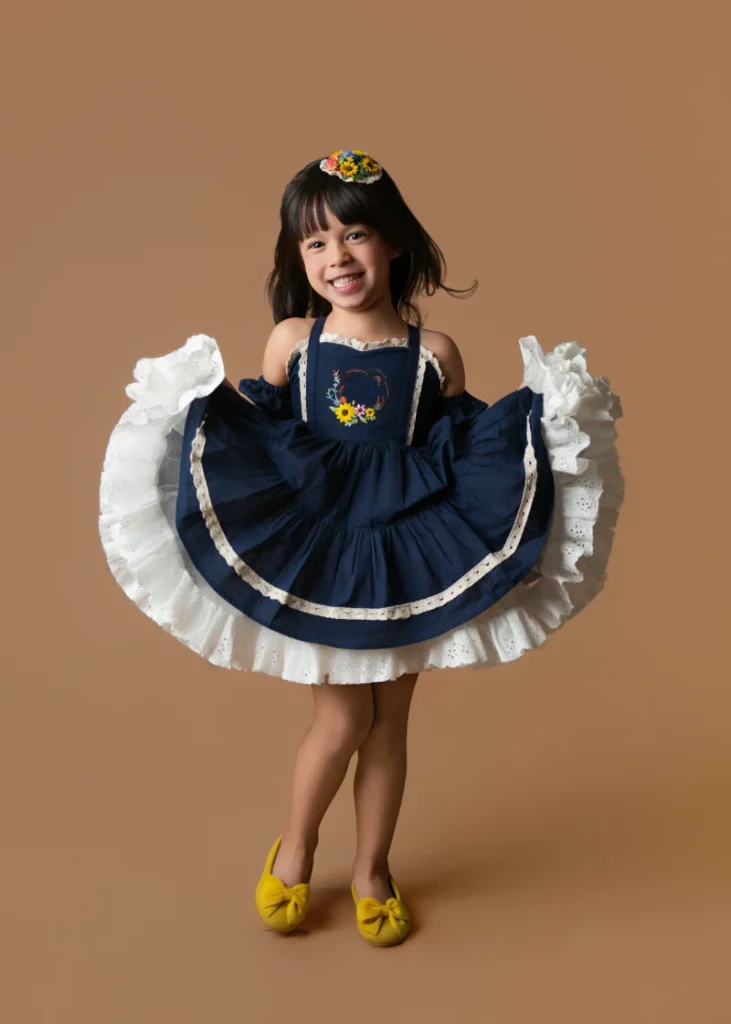
They are fundamental. Children’s products cannot be approached in exactly the same way as adult fashion. A beautiful photograph is not enough. Materials, garment construction, comfort, durability, and applicable children’s product safety requirements all matter. As a mother, I take these issues very personally. I would never want to offer another family something that I would not feel comfortable choosing for my own children.
KADA offers everything from bamboo basics to cashmere and elaborate heirloom dresses. What connects such different products?
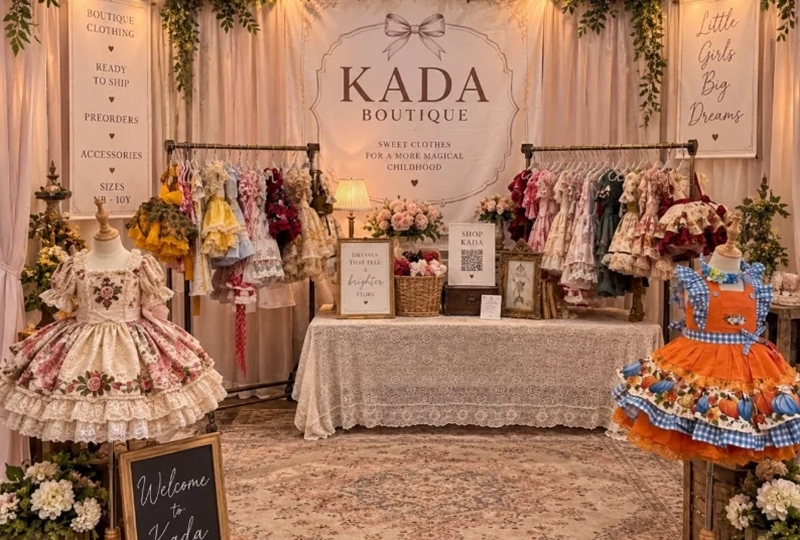
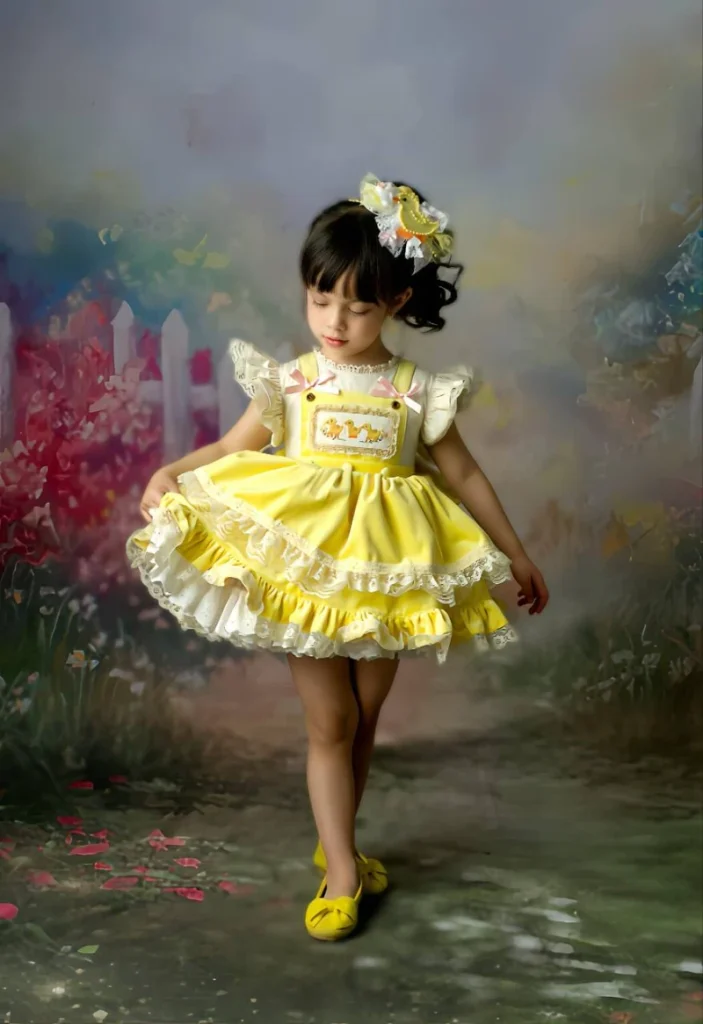
They are connected by the idea that childhood should be beautiful without feeling artificial. Sometimes that means an extraordinary dress for a birthday or family celebration. Sometimes it means bamboo pajamas that a child literally does not want to take off. Sometimes it means a beautifully crafted cashmere piece. The categories may be completely different, but the philosophy remains the same: comfort, thoughtful details, quality, and emotional value.
The concept of “heirloom clothing,” clothing that is preserved and passed on to future generations, appears repeatedly on the KADA website. What does that idea mean to you personally?
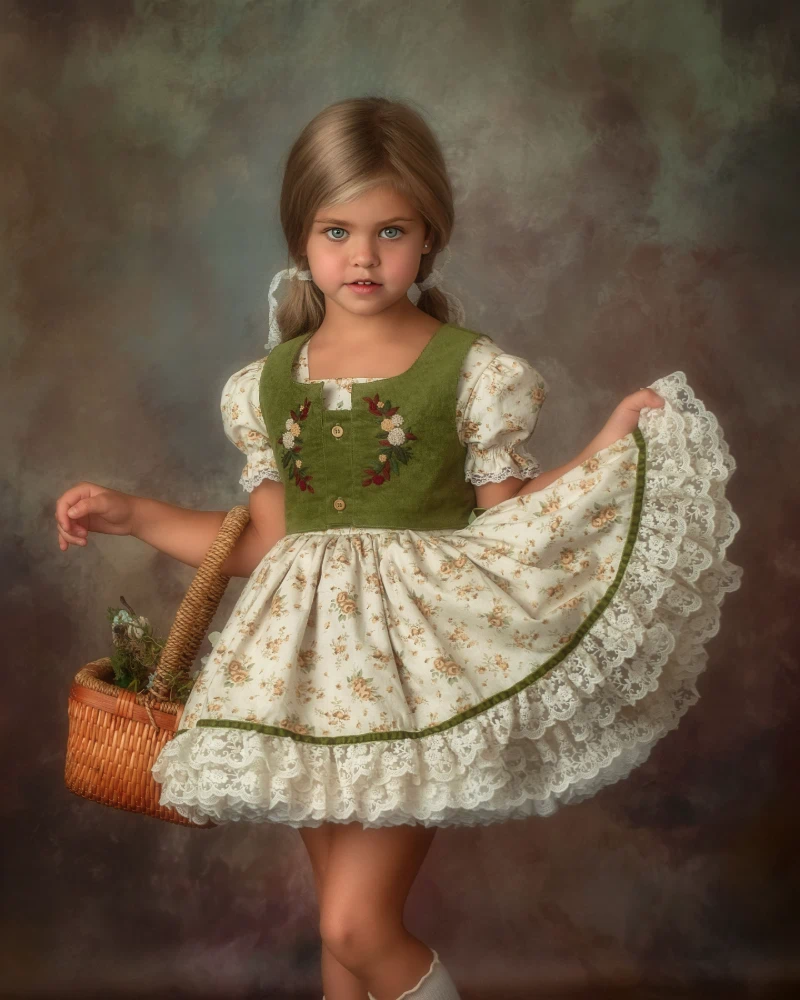
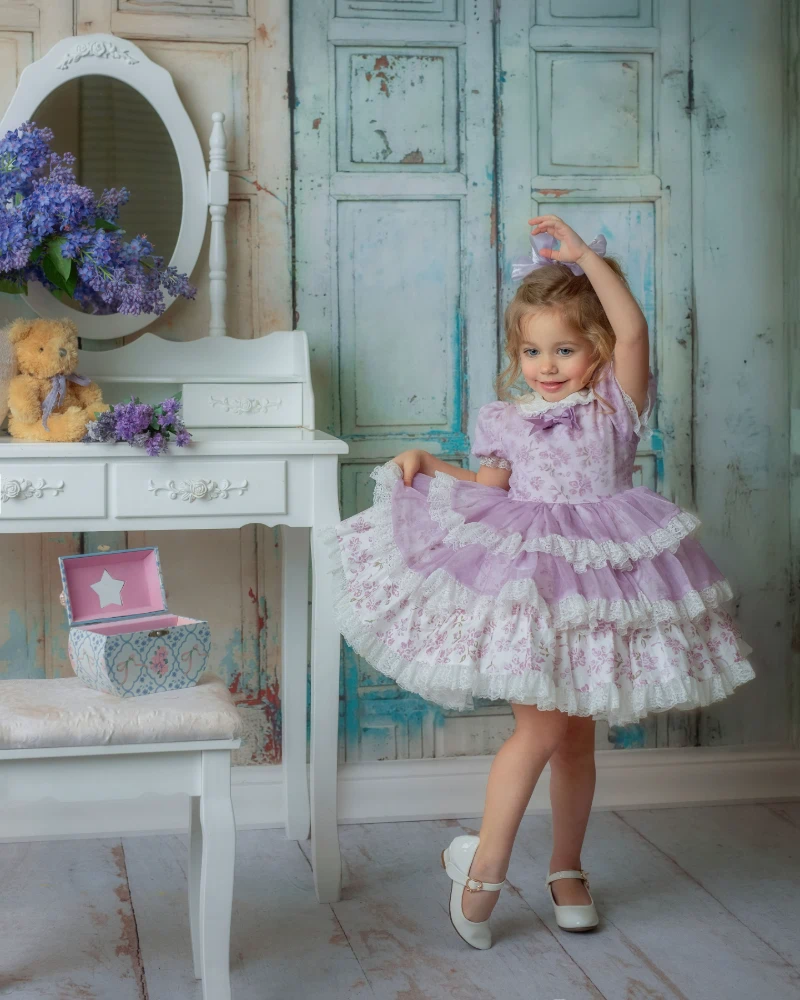
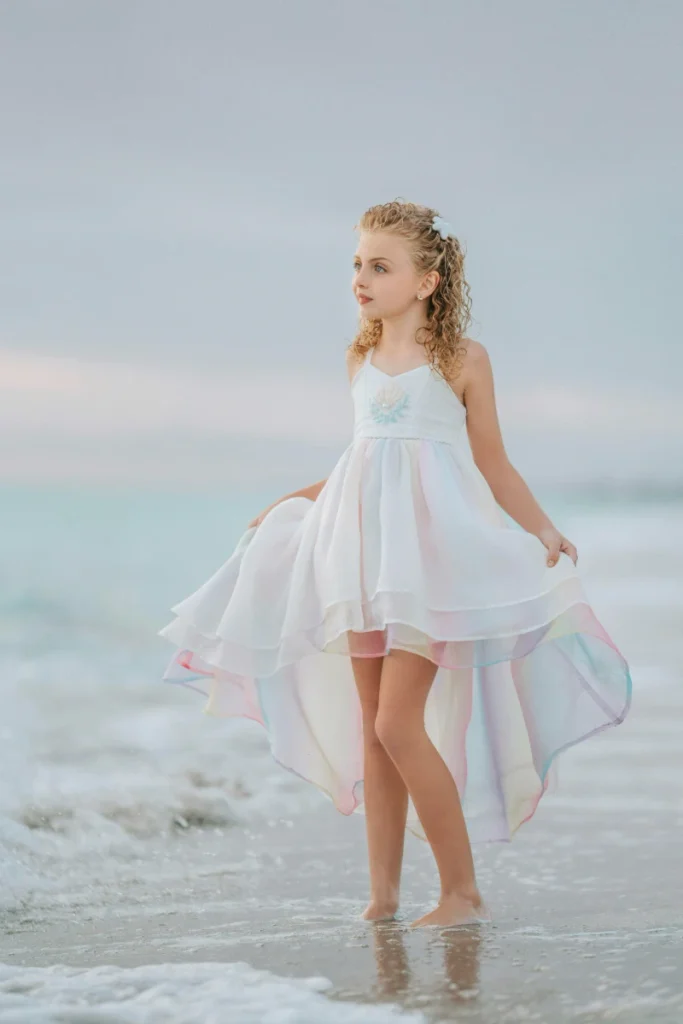
To me, heirloom means that the life of a garment does not end with the occasion for which it was purchased. A child wears it, the family takes photographs, and suddenly that dress becomes connected to a birthday, a celebration, a trip, or a particular period of childhood. If something is beautifully designed and well made, you no longer want to simply throw it away when the child outgrows it. You keep it. Perhaps a younger sister will wear it later. Or perhaps one day it will be passed on to the next generation. At that point, it is no longer simply clothing. It becomes part of a family’s story.
Why are limited collections so important to KADA?
Because I do not want KADA to become a brand with an endless number of interchangeable pieces. Some of our original designs are produced in small quantities, and when a particular style from a previous collection sells out, it may never return. This allows every collection to retain a sense of discovery and individuality. I want a mother to feel that she has found something special for her child, not something she is going to see everywhere.
KADA also shows a noticeable influence from vintage and European aesthetics. Where did that come from?
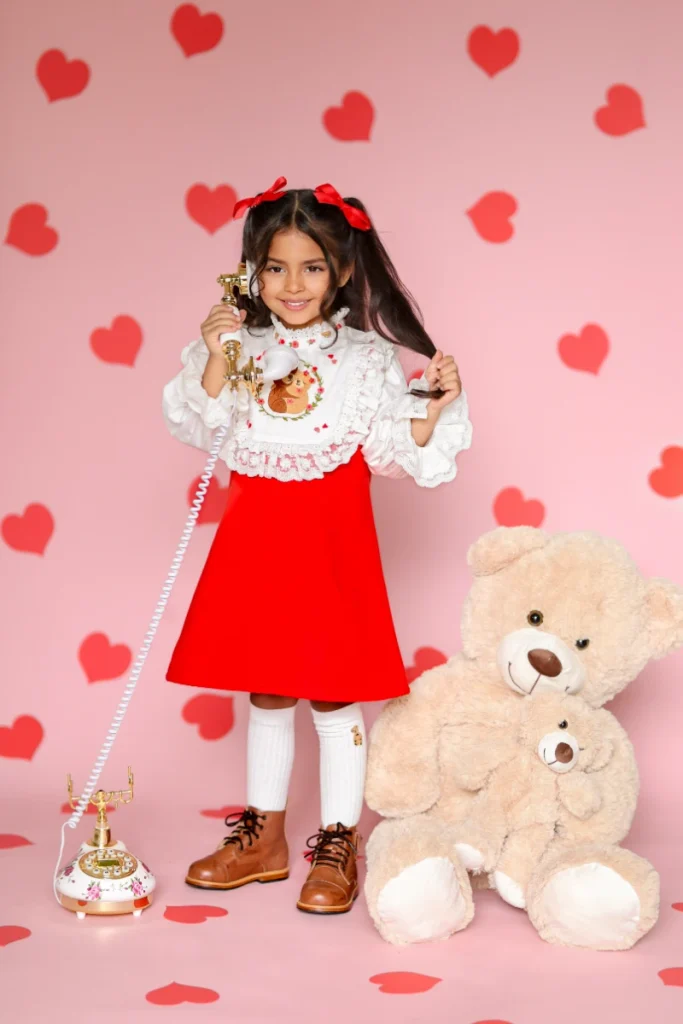
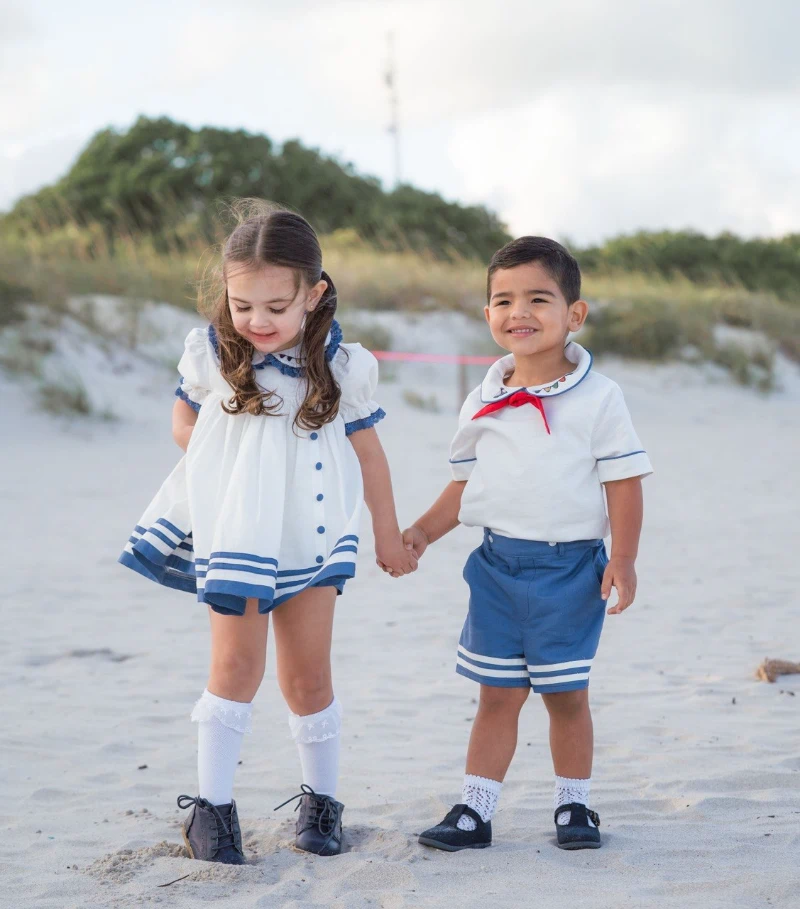
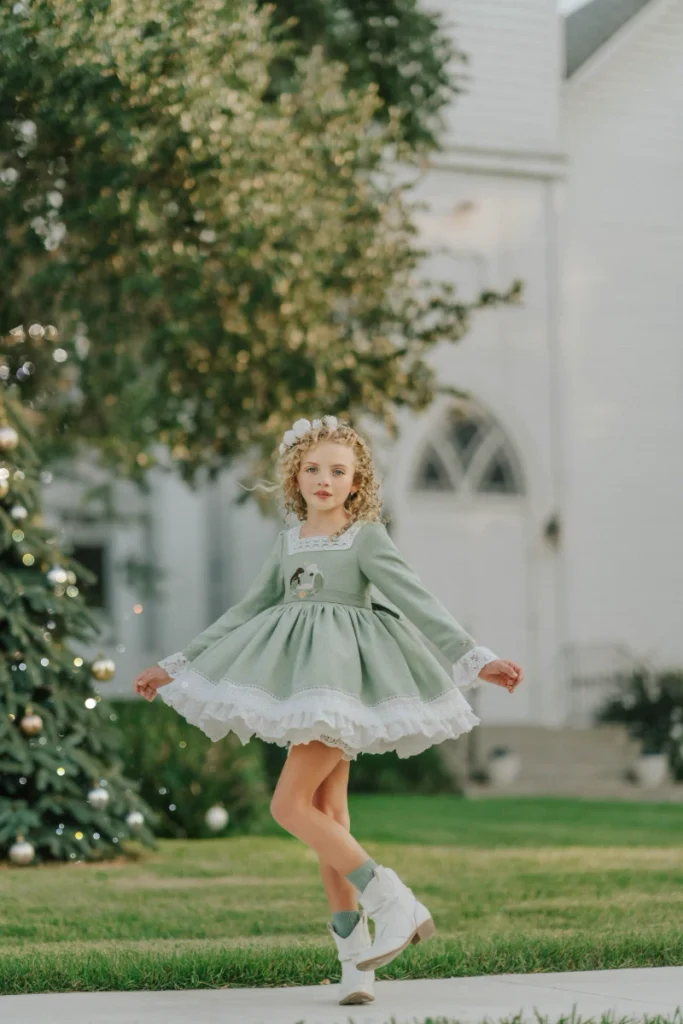
Travel played an enormous role. Over the years, I became fascinated by European tailoring, vintage children’s clothing, embroidery, lace, beautiful natural fabrics, and pieces created with attention to the smallest details. I like taking that sense of timeless aesthetics and interpreting it for the modern family. I do not want children to look like miniature versions of adults. There is something very special about clothing that allows childhood to look like childhood.
KADA uses photographs of real children rather than models created with artificial intelligence. Why was it so important to make this part of the brand philosophy?
Because real childhood does not look perfect. Children move. They laugh. Their hair is not always perfectly styled. They make unexpected facial expressions. That is exactly what makes them beautiful. We use real children wearing real KADA clothing because families need to see the clothing as part of real childhood, not only as an artificially created ideal image.
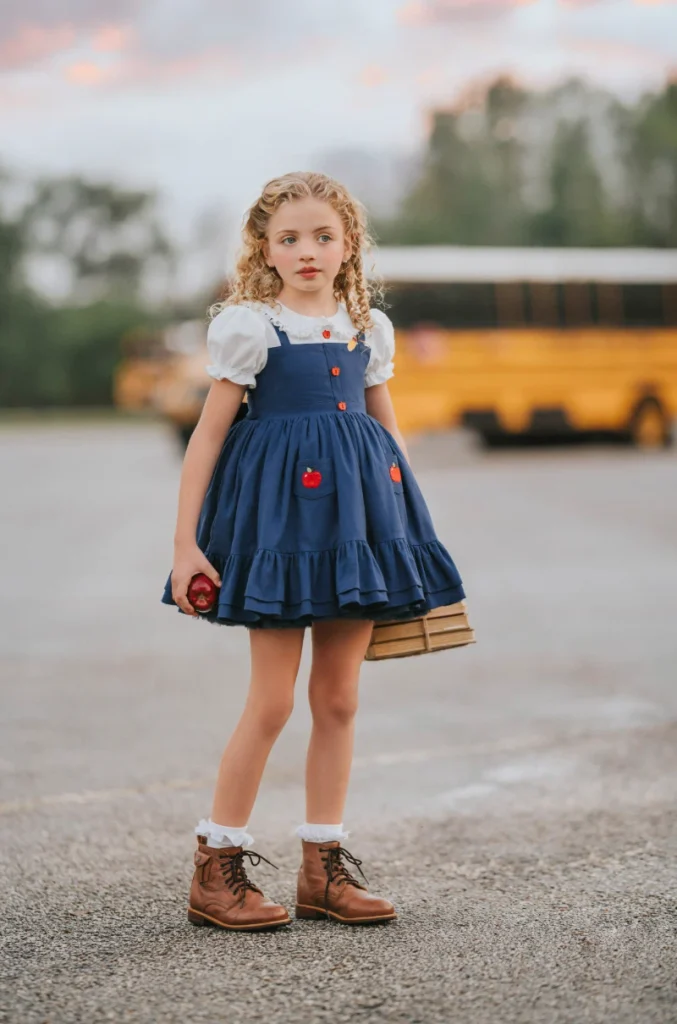
The children’s fashion market is highly saturated. What, in your view, makes KADA something more than simply “another beautiful dress”?
One beautiful dress is not enough to build a recognizable brand. KADA has already become something much bigger to me. It is an entire recognizable world shaped by my experience of motherhood, the 47 countries and cultures I have had the opportunity to experience, my appreciation for traditional craftsmanship, and my belief that children’s clothing can become part of a family’s memories. KADA became the expression of all those experiences brought together in one California children’s clothing brand. I am especially proud when my customers see a piece and say, “It feels like KADA.” To me, that means we have succeeded in creating something recognizable with an identity of its own.
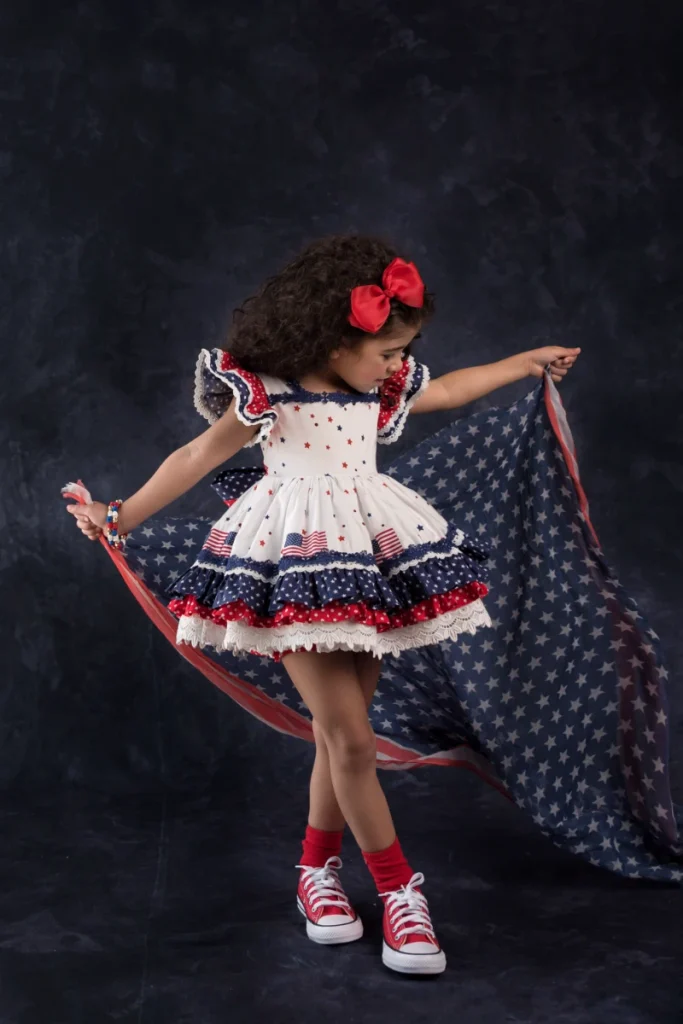
At one point you were trying to buy someone else’s store. Today you have created your own California brand. What has entrepreneurship taught you that you could never have learned simply as a customer?
Creating something yourself is much more difficult than admiring the finished result. As a customer, you see a dress. As a Founder and CEO, you see every decision behind that dress: the concept, fabric, fit, details, contracts, manufacturing, quality control, brand advertising, photo shoots, events, customer service, shipping, and hundreds of small problems the customer will never know about. But that is exactly what makes building your own brand so meaningful. Every decision gradually shapes its identity.
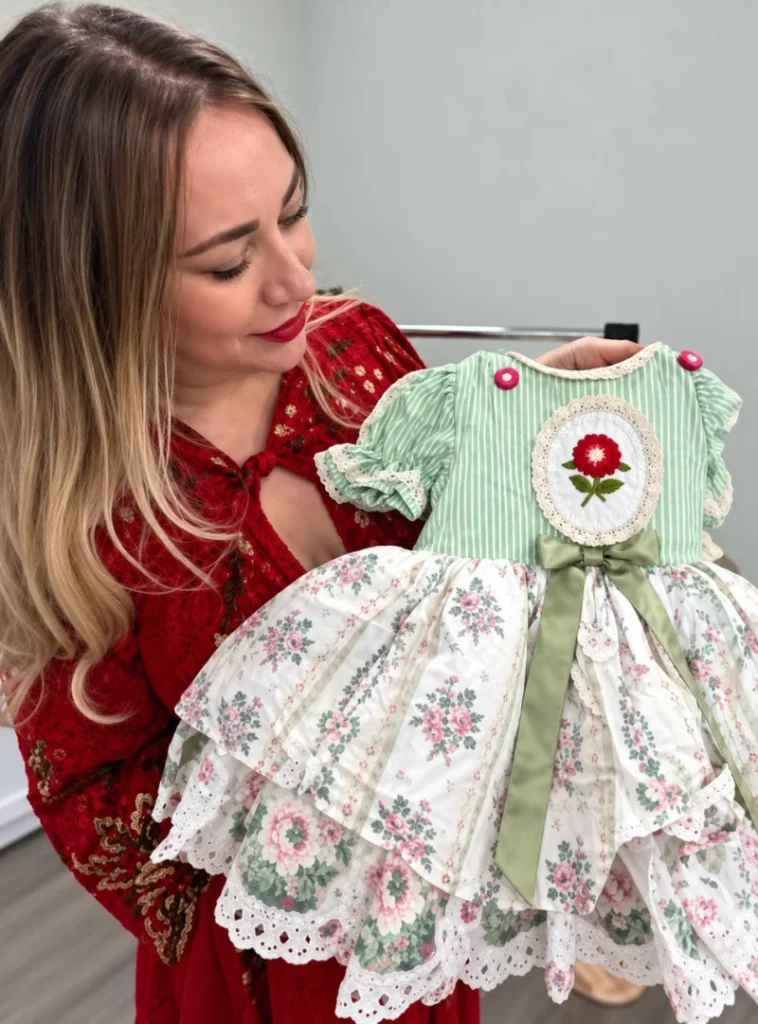
If you could speak today to the woman who, six years ago, was trying to find the money to buy that first boutique, what would you tell her?
I would probably tell her not to be so upset that the store was sold. At the time, I thought I had lost an opportunity. In reality, I had lost someone else’s opportunity. I still had to create my own. And that opportunity became KADA.
•••
FROM THE EDITORS
KADA is more than a children’s fashion boutique. It is a story of transformation: a mother’s vision shaped by travel, exposure to different cultures, respect for craftsmanship, and a desire to create pieces for children and families that carry special meaning. Arina Pfaff’s story reminds us that a missed opportunity does not always mean the end. Sometimes it creates the space for an idea of your own to emerge. In creating KADA, Arina developed a California brand where clothing becomes part of childhood memories: beautiful, comfortable, thoughtfully detailed, and created to be treasured long after the childhood years have passed.
Contact Information
(916) 903-3320
kada boutique.com
Instagram: @kada.boutique
Info@kada boutique.com