There was no press conference.
No warning signs.
No major announcement from state officials.
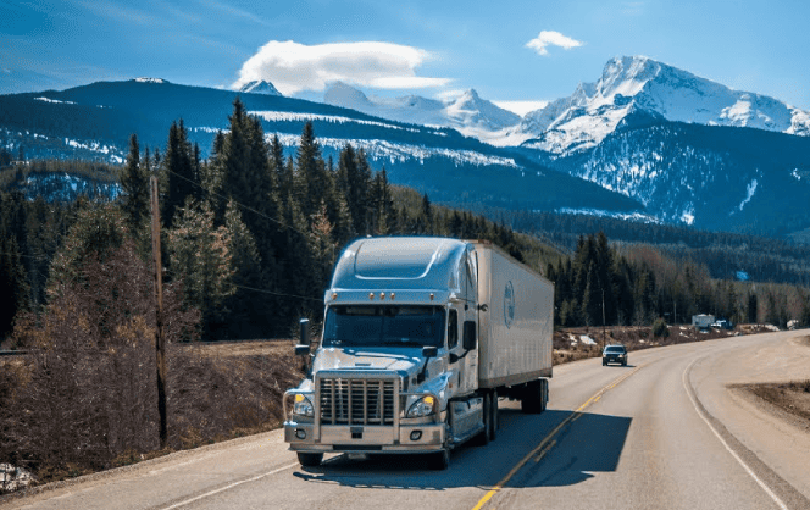
Yet across California highways, something important has changed.
Commercial truck drivers are now being checked for their ability to speak and understand English. And for thousands of drivers, this simple requirement may determine whether they continue working or are forced to stop on the spot.
A Routine Stop With New Questions
At first glance, the roadside stop looks ordinary. A truck pulls over. Documents are requested. The officer asks a few questions.
• Where are you headed
• What cargo are you carrying
• Do you understand the last road sign you passed
For many drivers, the conversation lasts seconds and ends without issue. But for others, it quickly becomes clear that this is no longer just about licenses and logbooks. Language itself is now under inspection.
If the driver cannot clearly understand or respond in English, the consequences can be immediate. The vehicle may be placed out of service. The driver cannot continue the route.
The Federal Rule That California Once Ignored
The requirement is not new. Federal law has long stated that commercial drivers must have a working knowledge of English. The rule covers basic abilities such as reading traffic signs, communicating with law enforcement, and completing official paperwork.
What is new is enforcement.
Last year, President Donald Trump signed an executive order reinforcing this requirement and directing states to apply it consistently. Many states already did. California did not.
For months, California appeared reluctant. Known for its support of immigrant labor and multilingual communities, the state avoided making public moves toward stricter enforcement.
That hesitation is now over.
According to local reports, the California Highway Patrol has begun applying the rule during inspections. Quietly. Consistently. With real consequences.
Why English Is Being Framed as a Safety Tool
Supporters of the enforcement argue that this is not about politics or immigration. They say it is about safety.
A fully loaded commercial truck can weigh more than 40 tons. It travels at highway speeds alongside passenger vehicles. In emergency situations, seconds matter.
If a driver cannot understand an instruction during a traffic stop, a detour order, or a safety warning, the risk increases for everyone on the road.
From this perspective, English is treated like any other required skill. Not a cultural preference, but a functional necessity.
The Industry Was Already Under Strain
The timing could hardly be worse for the trucking industry.
The United States is already facing a shortage of qualified truck drivers. Supply chains remain sensitive after years of disruption. California plays a critical role in ports, agriculture, and long distance freight.
Many trucking companies rely heavily on immigrant drivers. Some have decades of experience but limited English skills. Removing even a small percentage of these drivers from the road can cause ripple effects.
• Slower deliveries
• Higher transportation costs
• More pressure on remaining drivers
Industry leaders warn that short term disruptions are likely, especially if enforcement expands quickly.
Drivers Caught Between Experience and Expectations
For drivers affected by the checks, the issue feels deeply personal.
Many have driven safely for years. Some have crossed millions of miles without major incidents. They know their routes, their vehicles, and the unwritten rules of the road.
But now, experience alone may not be enough.
Learning English while working long hours is not easy. Life on the road leaves little time for classes or study. Still, many drivers recognize that the reality has changed.
English is no longer optional. It is now part of staying employed.
A Rule Enforced Without a Spotlight
One of the most striking aspects of this shift is how quietly it happened.
There were no statewide announcements. No public countdown. No grace period widely communicated to drivers.
Instead, enforcement began at the roadside, one stop at a time.
For some, this has raised concerns about fairness and transparency. Critics argue that sudden enforcement without clear public guidance places drivers at risk of losing income overnight.
Supporters respond that the rule has existed for years and that safety cannot wait.
A Broader Debate Beyond Trucking
The issue has sparked a wider conversation about language, work, and integration in America.
Should language requirements be enforced strictly if someone has proven their skills in other ways
Does safety outweigh flexibility
How much responsibility lies with employers versus drivers
There are no simple answers. But what is clear is that California’s decision signals a shift toward stricter compliance with federal transportation standards.
What Comes Next for Drivers and Companies
Some trucking companies are already adapting. English training programs are being offered. Dispatchers are encouraging drivers to improve communication skills. Language learning is becoming part of professional development.
For drivers, the message is clear. Knowing the road is no longer enough. Understanding the language of the road is now just as important.
And for California highways, this quiet change may reshape who keeps moving and who is forced to pull over.
• The trucks are still rolling.
• The signs are the same.
• But the rules of the conversation have changed.