Anxiety has quietly become part of daily life for many Californians. It shows up in traffic on the 405. In packed calendars. In the constant buzz of notifications that never seem to stop. What once felt like an occasional response to stress now lingers in the background, shaping moods, sleep, and focus.
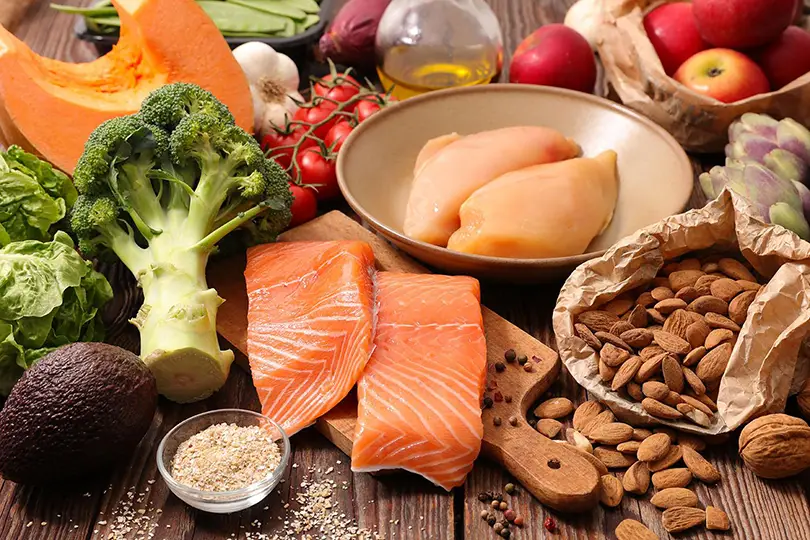
For years, the conversation around anxiety has centered on therapy, medication, and mindfulness. All of these matter. But a growing body of research suggests another powerful influence that often goes unnoticed. What we eat every day may shape how our brain responds to stress.
Not in a symbolic way. In a biological one.
When science looks inside the anxious brain
Researchers at the University of California recently took a closer look at the brains of 712 people. Using advanced imaging, they compared individuals with anxiety disorders to those who reported feeling emotionally stable.
One pattern stood out.
People struggling with anxiety consistently showed lower levels of choline in key areas of the brain. These regions are deeply involved in emotion regulation, memory, and stress response.
This was not a lifestyle survey or a trend report. It was a direct look at brain chemistry. And it raised an important question. If choline helps the brain function smoothly, could low levels make it easier for anxiety to take hold?
What exactly is choline?
Choline does not get the same attention as vitamins like D or minerals like magnesium. Yet the brain depends on it every day.
Choline plays a critical role in how brain cells communicate. It is a building block for acetylcholine, a neurotransmitter involved in memory, focus, and emotional control. It also helps maintain the structure of cell membranes and supports healthy brain development and maintenance throughout life.
In simple terms, choline helps the brain send clear signals instead of static.
When communication between neurons is efficient, emotional responses tend to be more measured. When that communication weakens, the brain can misread signals and react as if danger is present even when it is not.
Why low choline can amplify anxiety
An anxious brain is not broken. It is often overworked.
When choline levels are low, the brain has fewer resources to regulate emotional responses. Stress signals linger longer. Thoughts loop more easily. Minor challenges can feel overwhelming.
Researchers are careful to avoid oversimplification. Anxiety is complex and influenced by genetics, environment, trauma, and social factors. No single nutrient explains it all.
But choline appears to be part of the foundation. When that foundation is weak, the brain becomes more vulnerable to stress.
The modern diet problem
Here is where the issue becomes surprisingly common.
Many modern diets, especially those heavy in ultra processed foods, do not provide enough choline. Even people who eat relatively well may fall short without realizing it.
Busy schedules often mean skipping eggs at breakfast. Liver rarely makes it onto modern menus. Fish consumption is inconsistent. Plant based diets, while healthy in many ways, require more intentional planning to include choline rich foods.
In a state as health conscious as California, this gap often hides in plain sight.
Choline rich foods that fit real life
The encouraging news is that choline does not require exotic ingredients or expensive supplements.
Some of the most reliable sources include:
• Eggs
• Fish such as salmon and cod
• Beef and chicken liver
• Soy based foods like tofu and soy milk
• Chickpeas and other legumes
These foods already appear in many California kitchens. They just need a more intentional role.
An omelet with vegetables in the morning.
Grilled fish at lunch.
A chickpea bowl with olive oil and herbs for dinner.
This is not a strict diet. It is a shift in emphasis.
Why this matters in California
California has long taken a broader view of mental health. Research institutions here lead the way in studying how lifestyle affects the brain. Nutrition, sleep, movement, and community are all part of the picture.
The choline findings fit perfectly into this approach. They suggest that emotional resilience is not only shaped by thoughts and habits, but also by the raw materials we give the brain to work with.
Food becomes part of prevention. Part of support. Part of long term stability.
Not a cure, but a powerful ally
It is important to be clear. Eating choline rich foods will not instantly erase anxiety. It does not replace therapy, medication, or professional care.
What it can do is reduce vulnerability.
With adequate choline, the brain may process emotions more efficiently. Stress responses may shut off more easily. The nervous system may recover faster after difficult moments.
Think of it like tuning an engine. The road is still there. The traffic is still there. But the ride becomes smoother.
The psychology of small control
One of the hardest parts of anxiety is the feeling of helplessness. The sense that your own mind is working against you.
Research like this offers something quietly powerful. A sense of agency.
• Not through force.
• Not through guilt.
• But through informed, everyday choices.
Choosing foods that support brain chemistry is not about perfection. It is about giving your nervous system a better starting point.
A gentle place to begin
If anxiety feels constant. If exhaustion has become your baseline. If calm feels just out of reach. Start small.
Add eggs back into breakfast.
Choose fish once or twice a week.
Experiment with chickpeas, lentils, or tofu in simple meals.
No dramatic overhaul required.
Sometimes meaningful change begins with what you put on a plate.
The bigger picture
Mental health is often discussed as something abstract. Something separate from the body.
Science is telling a different story.
The brain is an organ. It needs fuel. And when it gets what it needs, it works differently.
This article does not offer a shortcut or a miracle. It offers perspective.
Care for your mind does not start only in your thoughts. Very often, it starts in the kitchen.