Is Halva Healthy? The Benefits and Hidden Risks of a Traditional Sweet
Is Halva Healthy? The Benefits and Hidden Risks of a Traditional Sweet
A small piece of halva with a cup of tea is a familiar pleasure in many Eastern European, Middle Eastern, and Central Asian homes. This crumbly, sweet dessert has been enjoyed for generations, and today it is increasingly easy to find in American grocery stores. But there is a question worth asking: can something so rich and sugary actually offer health benefits?
Surprisingly, halva has more nutritional value than many ordinary candies. The secret lies in its main ingredient. Depending on the variety, it may be made from sesame seeds, sunflower seeds, nuts, or other foods that naturally contain beneficial fats and minerals. However, the same dessert can also deliver a substantial amount of sugar and calories.
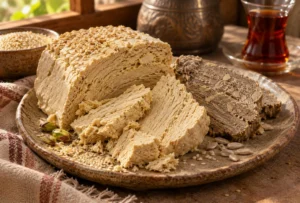
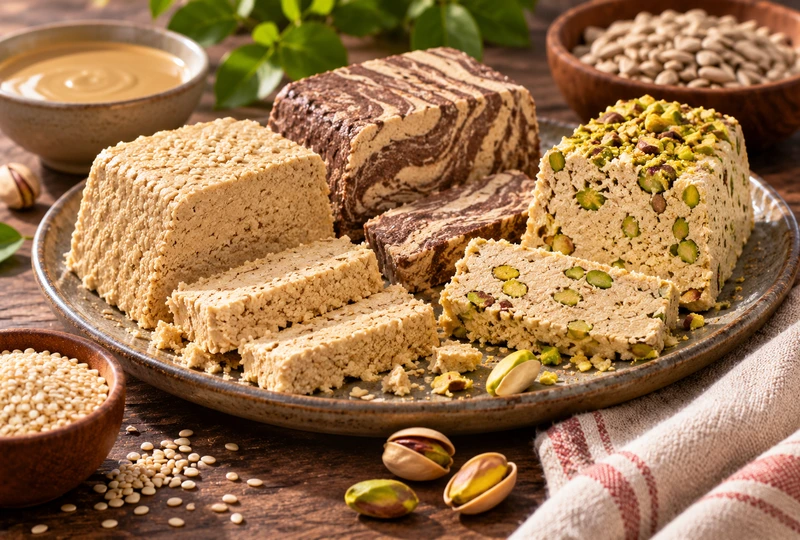
The most popular varieties in the United States include sesame halva and sunflower halva. Sesame halva is made from tahini, a paste of ground sesame seeds, mixed with sugar or another sweetener. It has a delicate, flaky texture and a rich, nutty flavor. Sunflower halva, especially familiar to people from Ukraine, Russia, and other Eastern European countries, has a more roasted taste and is usually quite crumbly.
There are also pistachio, chocolate, vanilla, and nut-filled versions. Some traditional recipes use semolina or flour instead of seeds, so their nutritional profiles can be very different.
What makes seed-based halva interesting is the quality of its fats. Sesame and sunflower seeds contain mostly unsaturated fats, which can be part of a heart-healthy diet when they replace foods rich in saturated fat. Sesame also provides plant protein and minerals such as copper, magnesium, calcium, and iron. Sunflower seeds contain vitamin E, an important nutrient involved in protecting cells from oxidative damage.
But there is an important catch.
The nutrients in sesame and sunflower seeds do not make halva a substitute for vegetables, whole grains, or other nutritious foods. During production, significant amounts of sugar are usually added. A dessert made from healthy seeds can therefore become a concentrated source of calories.
A typical 28-gram serving of sesame halva may contain approximately 140 to 160 calories, depending on the brand and recipe. Larger portions can quickly add up. A generous 60-gram piece, for example, may provide around 300 calories or more.
That is roughly the energy content of a small meal, yet halva is often eaten as an extra treat after lunch or dinner.
For people trying to lose weight, this is worth remembering. Halva is not a weight-loss food, and there is no convincing evidence that eating it speeds up metabolism or burns fat. Its rich flavor may make a small portion satisfying, but the benefit disappears when a few bites turn into half a package.
What about blood sugar?
Halva contains added sugars and digestible carbohydrates, so it can raise blood glucose levels. The fats and protein from seeds may slow digestion, but they do not eliminate the effect of sugar. People with diabetes or prediabetes should therefore treat halva as a dessert and include its carbohydrates in their meal planning.
Products labeled natural, traditional, or handmade are not automatically lower in sugar. Even halva advertised as sugar-free deserves a careful look at its ingredients, sweeteners, and total carbohydrate content.
There is another issue that some shoppers overlook: allergies. Sesame is one of the major food allergens recognized in the United States. For people with sesame allergies, traditional tahini-based halva can trigger a serious reaction. Varieties containing peanuts, pistachios, almonds, or other nuts may present additional risks.
Always read the allergen statement, especially when buying imported products or unfamiliar brands.
American consumers have several options. Joyva is a well-known U.S. producer of sesame halva, while brands such as Krinos and Haitoglou offer Mediterranean-style varieties. Seed + Mill is known for modern flavors and specialty sesame products. Sunflower halva can often be found in Eastern European and international grocery stores.
The healthiest shopping strategy is simple: compare nutrition labels rather than relying on attractive packaging.
Look at serving size, calories, added sugars, saturated fat, and the ingredient list. A product with fewer ingredients is not necessarily lower in calories, but checking the label helps reveal what you are actually buying. Chocolate coatings, caramel fillings, and extra sweeteners may increase the sugar content.
How much halva is reasonable?
There is no medically established daily serving that guarantees health benefits. For many adults, a small piece of about 15 to 20 grams is a practical portion when they want to enjoy the flavor without consuming a large dessert. Individual needs vary, especially for people managing diabetes or weight.
Try serving halva with unsweetened tea or coffee. A small piece alongside fresh fruit can also make a satisfying treat. The goal is not to turn halva into a health supplement, but to enjoy it without losing track of the amount eaten.
Storage deserves attention too. Because halva contains seed oils, it can develop a rancid smell or unpleasant taste if stored improperly. Follow package instructions, keep opened products sealed, and avoid prolonged exposure to heat.
Halva also has something that nutrition labels cannot measure: cultural value. For many immigrant families in America, its taste brings back childhood memories, family celebrations, and traditional markets. Enjoying those connections is part of the pleasure of food.
The conclusion is simple. Halva can offer some nutrients from sesame or sunflower seeds, but it remains a calorie-dense sweet. It is neither a miracle health food nor something everyone must avoid.
Choose a variety you enjoy, read the label, and keep the portion modest. Sometimes the healthiest way to enjoy a favorite dessert is simply to eat a little less of it.
Save this article and share it with friends and family, especially those who love traditional Eastern sweets. Knowing what is inside halva can help them enjoy it more wisely.