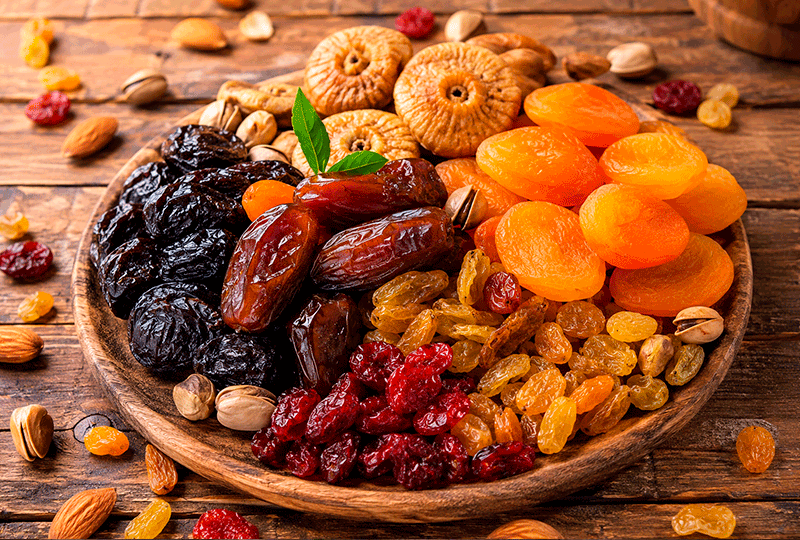
I used to make the same mistake. Every afternoon, around 3 PM, I would feel that familiar slump. Low energy. Foggy brain. The need for something sweet. So I would reach into my desk drawer. Not for candy. Not for chips. For dried mangoes. Organic. No sugar added. Healthy. And I would eat. And eat. And eat. Half the bag later, I felt virtuous. I had chosen health. I was taking care of my body. I even felt a little superior to people eating cookies. Then I stepped on the scale a month later. And nothing had changed. Actually, something had changed, just not in the direction I wanted. That is when I learned the truth. And once you hear it, you will never look at dried fruit the same way again.
The Belief That Tricks Almost Everyone
Most people believe a simple, dangerous lie: If a food is healthy, you can eat as much as you want. Nuts? Healthy. Eat the whole jar. Fruit? Healthy. Have six bananas. Dried fruit? Even healthier. So why stop? I see this everywhere. At the gym, people snack on trail mix as if it’s water. At offices, dried apricots disappear by the handful. Parents fill lunchboxes with raisins as if portion size doesn’t exist. And everyone feels good about it. But here is the part that nobody talks about. Dried fruits really are among the most nutritious foods on the planet. They are packed with vitamins, minerals, fiber, and antioxidants. They can boost your heart, your digestion, your energy, and your immune system. No argument there. But their biggest strength is also their biggest danger. Without water, everything gets concentrated.
What Dried Fruit Actually Is And Why It Matters
Think about a fresh apricot. It is soft. Juicy. Filling. You eat one, maybe two, and you feel satisfied. Now think about a dried apricot. Same fruit. Same nutrients. Same sugar. But the water is gone. What remains is a tiny, chewy, sweet bomb of calories and fructose. One fresh apricot has about 17 calories. One dried apricot? Also 17 calories. But here’s the killer: you can eat ten dried apricots in two minutes without even breathing hard. That is 170 calories. Plus 34 grams of sugar. Plus zero feeling of fullness. Your brain never gets the signal to stop. This is not a flaw in you. This is biology. Water expands food in your stomach. That expansion tells your body, “Enough.” Without water, your stomach waits. And you keep eating. Now apply this to every dried fruit. Raisins are just concentrated grapes. Dates are concentrated date fruit. Prunes are concentrated plums. One cup of fresh grapes has about 62 calories and 15 grams of sugar. One cup of raisins has 434 calories and 86 grams of sugar. Same fruit. Seven times the calories. And nobody, absolutely nobody, eats just one cup of raisins from a bag.
The Orange Juice Trap, But Worse
You already know the orange juice trap. It takes three or four oranges to make one glass of juice. You would never sit down and eat four oranges in a row. But you will drink the juice in thirty seconds, consume all the sugar, and feel nothing. Dried fruit is the same trick, but stealthier. Because dried fruit still has its fiber. People assume fiber means “healthy no matter what.” And fiber is good. It slows down sugar absorption. It feeds your gut bacteria. But fiber does not erase calories. Fiber does not make you stop eating when you have had too much. I have watched friends eat twenty dates in one sitting. Twenty dates. That is the sugar equivalent of almost two full candy bars, plus the calories of a small meal. And they called it a “healthy snack.” This is not about shaming anyone. This is about waking up.
What Actually Happens When You Overeat Dried Fruit
Let me be specific. When you eat too much dried fruit, three things happen inside your body. First, your blood sugar spikes. Even with fiber, dried fruit is still high in natural sugar, mostly fructose and glucose. A large amount in a short time sends your blood sugar up fast. Your pancreas releases insulin to bring it down. Then your blood sugar crashes. And what do you want after a crash? More sugar. So you eat more dried fruit. Or something else sweet. The cycle begins. Second, your digestive system protests. Too much dried fruit at once means too much fiber and too much fructose. For many people, that means bloating, gas, cramps, or worse. Prunes are famous for helping digestion in small amounts. In large amounts, they become a powerful laxative. Ask anyone who has eaten half a bag of sugar free dried fruit. They will tell you a story you do not want to hear. Third, you consume hidden calories without satisfaction. This is the cruelest part. Because dried fruit is so easy to overeat, you can add 300, 400, even 500 extra calories to your day without feeling like you ate anything at all. Those calories add up. Slowly. Silently. And weeks later, you wonder why your weight hasn’t moved, or has moved in the wrong direction. Not because dried fruit is bad. Because more is not better.
The One Rule That Changes Everything
Here is the truth that took me years to learn. Dried fruit is powerful medicine for your body, but only in the right dose. Just like real medicine. You would not take ten painkillers because one is good. You would not drink a whole bottle of cough syrup because a spoonful helps. The same respect applies to dried fruit. So here is the simple, daily rule. Memorize it. Share it. Tape it to your pantry. Dried apricots: 5 to 6 pieces per day. That gives you a serious amount of potassium. Your heart needs it. Your muscles need it. Your blood pressure thanks you. Prunes: 3 to 4 pieces per day. Gentle, natural digestion. No rushing to the bathroom. Just steady, healthy bowel function. Dates: 3 to 5 pieces per day. Sweet enough to kill any candy or dessert craving. Satisfying. Calorie dense, so stop at five. Raisins: 1 tablespoon per day. That is about 15 to 20 raisins. Iron for your energy. Antioxidants for your cells. More than that is unnecessary. Figs: 2 to 3 pieces per day. Minerals for your bones. Fiber for your blood vessels. Support for your immune system. Two or three is plenty. That is it. Not a bowl. Not a handful. Not “as much as you want because it’s healthy.” Five apricots. Four prunes. Five dates. One tablespoon of raisins. Three figs. Choose one. Or combine small amounts. But never treat the bag as a single serving.
How to Make This Work Without Feeling Deprived
I can hear what some of you are thinking. “But dried fruit is so good. How do I stop myself?” Here is what actually works. One: Never eat directly from the bag. Put your serving in a small bowl. Close the bag. Put the bag away. Then sit down and eat. If the bag is in your hand, you will finish it. That is not weakness. That is design. Two: Pair dried fruit with protein or fat. A few raisins in yogurt. Two figs with a handful of walnuts. Dates stuffed with a single almond. Protein and fat slow down sugar absorption even more. They also make you feel full. You will naturally eat less. Three: Use dried fruit as an ingredient, not a snack. Sprinkle chopped apricots into oatmeal. Blend figs into a smoothie. Add raisins to rice or quinoa dishes. When dried fruit is part of a meal, you eat the right amount without thinking. Four: Drink water with your dried fruit. Remember, water was removed. Adding water back by drinking a glass with your serving helps your stomach feel the volume. Your brain gets the “full” signal sooner. These are not complicated rules. They are habits. And habits change everything.
The Bigger Lesson Beyond Dried Fruit
Here is what I really want you to understand. This is not really about dried fruit. This is about how health works in real life. We spend so much time searching for magic foods, expensive supplements, and complicated detoxes. We want the secret. The hack. The one weird trick. But most of the biggest improvements come from tiny, boring, daily choices. Adding five dried apricots to your breakfast. Replacing a sugary dessert with three dates. Mixing one tablespoon of raisins into your afternoon yogurt. That is not glamorous. It will not get a million likes on Instagram. But it works. And the opposite is also true. The biggest health mistakes are not eating junk food. The biggest mistakes are overeating healthy food without knowing it. Salads drowned in dressing. Nuts eaten by the cup. Smoothies with five servings of fruit. And yes, bags of dried fruit finished in one sitting. You can gain weight on healthy food. You can spike your blood sugar on healthy food. You can feel terrible on healthy food. Not because the food is bad. Because more is not better. Better is better.
A Personal Note to You
I wrote this because I made every mistake I just described. I ate the whole bag of dried mangoes. I told myself raisins were “free food.” I wondered why my energy crashed every afternoon. And then I learned the one rule. Now I eat dried fruit every single day. But I measure it. I respect it. And I enjoy it more than ever, because I do not feel guilty or confused afterward. That is what I want for you. Not fear. Not restriction. Just clarity. You do not need to give up dried fruit. You just need to give up the idea that healthy means unlimited. Take the rule from this post. Try it for one week. See how you feel. I promise you, your body will notice the difference.
One Last Thing. Please Share This
Most people will never read a nutrition study. Most people will never calculate calories per gram of dried fruit. But almost everyone opens a bag of dried apricots or dates and eats more than they should. They are not bad people. They are not lazy. They just do not know. Now you know. So do me a favor. Share this post with one person who always reaches for “the healthy snack.” Share it with a friend who keeps raisins in their car. Share it with your mom who buys dried fruit in bulk. You might save them from bloating, weight gain, and the frustration of doing the right thing the wrong way. That is what good information does. It spreads. Thank you for reading. Now go enjoy your five apricots. And close the bag.