Imagine if protecting your brain did not require strict routines, expensive supplements, or complicated programs. What if the most powerful defense against memory loss was something joyful, social, and already part of human culture for thousands of years.
Science now suggests exactly that.
According to research, people who dance regularly can reduce their risk of dementia by up to 76 percent. Not through medication. Not through puzzles alone. But through movement, rhythm, and connection.
This discovery is changing how scientists think about aging, brain health, and prevention. And it offers something rare. A solution that feels good while it works.
Why the Brain Responds to Dance Like Nothing Else
Most physical activities focus on one system at a time. Running strengthens the heart. Weight training builds muscle. Walking improves circulation. All are valuable. But dancing does something different.
When you dance, your brain lights up.
You are listening to music, following rhythm, remembering patterns, adjusting your movements, navigating space, and often responding to other people. In a single moment, your brain is coordinating memory, attention, balance, emotion, creativity, and decision making.
This kind of full engagement is exactly what the aging brain needs.
Researchers explain that dancing activates multiple brain regions at once, forcing them to communicate and adapt. This strengthens neural connections and supports neuroplasticity, the brain’s ability to change, grow, and reorganize itself over time.
In simple terms, dancing keeps the brain flexible.
The Power of That 76 Percent
A reduction of dementia risk by 76 percent sounds dramatic. And it is. Scientists reached this conclusion by comparing people with different lifestyle habits over time. Those who danced consistently showed far lower rates of dementia and cognitive decline.
The key factor was not intensity or skill level. It was regularity.
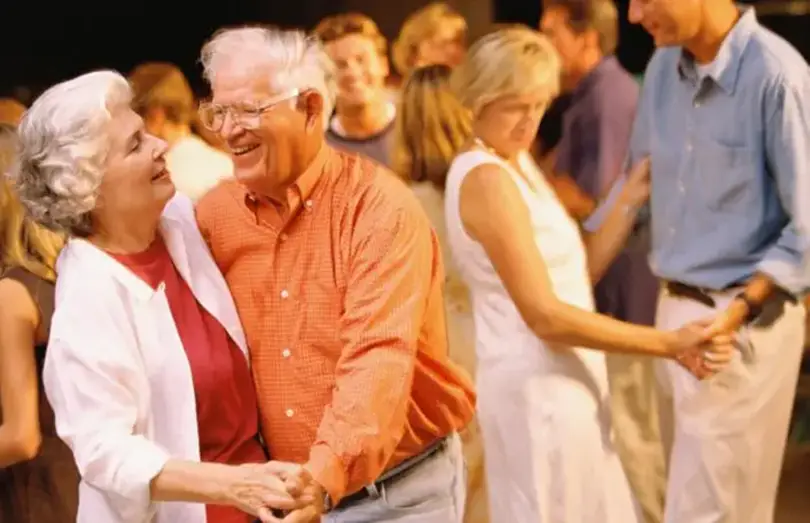
This was not about perfect technique or professional training. It was about making dance a normal part of life. Weekly classes. Evening salsa. Social dancing. Even free movement at home to favorite songs.
The brain does not care how polished the movement looks. It cares that the challenge continues.
Memory, Focus, and Faster Thinking
One of the first benefits people notice after they begin dancing regularly is a change in how their mind feels. Memory improves. Focus sharpens. Reaction time becomes quicker.
These changes are not accidental.
As we age, the brain naturally slows down. Tasks that once felt automatic require more effort. Dancing helps counter this process by constantly asking the brain to learn and adapt.
Neuroscientists often describe this as building backup systems. The more neural pathways the brain has, the better it can handle age related changes or damage. Dancing encourages the brain to create those extra connections.
It is not just exercise. It is mental training disguised as joy.
Emotional Health Is Brain Health
There is another reason dancing is so powerful. It directly affects emotional well being.
Music and movement reduce stress hormones while increasing dopamine and endorphins. These chemicals improve mood, motivation, and emotional balance. Chronic stress, on the other hand, is known to damage memory and increase the risk of cognitive decline.
Dancing interrupts that cycle.
For people living busy, high pressure lives, especially in fast paced environments like California, this matters deeply. Dance pulls attention out of constant worry and into the present moment. It grounds the body and calms the mind.
A relaxed brain is a healthier brain.
The Social Brain Needs Movement Too
Many dances are social by nature. Partner dancing. Group classes. Community events. Even informal dancing with friends.
Social interaction itself is one of the strongest protective factors against dementia. When people connect, read facial expressions, communicate, and respond emotionally, the brain receives complex stimulation.
Isolation does the opposite.
Dance creates a natural space for connection without pressure. You do not need to make small talk. Movement becomes the language. This sense of belonging and shared experience is especially important as people get older and social circles shrink.
In this way, dance supports not only the brain but the entire emotional ecosystem around it.
It Is Never Too Late to Start
One of the most encouraging findings is that dancing helps at any age.
Starting earlier strengthens protection, but research shows that people who begin dancing later in life still experience improvements in memory, focus, and mental flexibility.
The brain remains capable of change far longer than once believed.
Each new movement pattern, each rhythm learned, each moment of coordination challenges the brain to stay engaged. It is a reminder that growth does not stop with age.
Dance as a Lifestyle, Not a Performance
In California, dance is woven into daily life. On beaches. In parks. At studios and festivals. It belongs to everyone.
There is no need for perfection or performance. The brain does not reward flawless movement. It rewards curiosity, effort, and enjoyment.
Trying something new. Laughing at mistakes. Feeling music in the body. These experiences matter more than technique.
The most effective dance for brain health is the one you will actually do.
A Simple Habit With Lifelong Impact
We often search for complex answers to complex problems. But sometimes science points us toward something beautifully simple.
Turn on music. Move your body. Repeat.
No equipment. No age limits. No expensive memberships. Just rhythm, movement, and consistency.
Dancing does not promise immortality. But it offers something meaningful. A stronger, more flexible brain. A clearer mind. A better chance at staying mentally present for years to come.
And perhaps most importantly, it reminds us that protecting our future does not have to feel like a burden.
Sometimes, it can feel like freedom.
If this story resonated with you, share it. Someone else might discover that their next favorite song is also an investment in their brain.