In the Bay Area, historic estates hold a special kind of mystique. Properties like Filoli have long represented more than architecture alone. They embody history, atmosphere, culture and the emotional experience of stepping into another era while remaining connected to modern luxury.
Now, some in Northern California’s luxury hospitality and real estate circles are beginning to ask an intriguing question:
Did entrepreneur and hospitality developer Allison Zhang quietly discover and transform a smaller hidden gem with similar emotional magic?
While comparisons to Filoli may sound ambitious at first, visitors familiar with Allison’s restored Spanish historical estate in the Bay Area often describe a surprisingly similar feeling upon arrival: timeless architecture, cinematic surroundings, elegant landscaping and a sense of escape from modern chaos.
Originally built in 1919, the estate became one of the defining projects behind Allison Zhang’s growing luxury hospitality company, AliStay. But according to Allison, the property was never approached simply as another real estate investment opportunity.
“I immediately felt the property had a soul,” Allison says. “It did not feel like just another luxury home. There was history there, personality, atmosphere. I knew that if it was restored correctly, people would emotionally connect to it.”
That instinct would eventually evolve into one of the most distinctive hospitality properties within AliStay’s growing Bay Area portfolio.
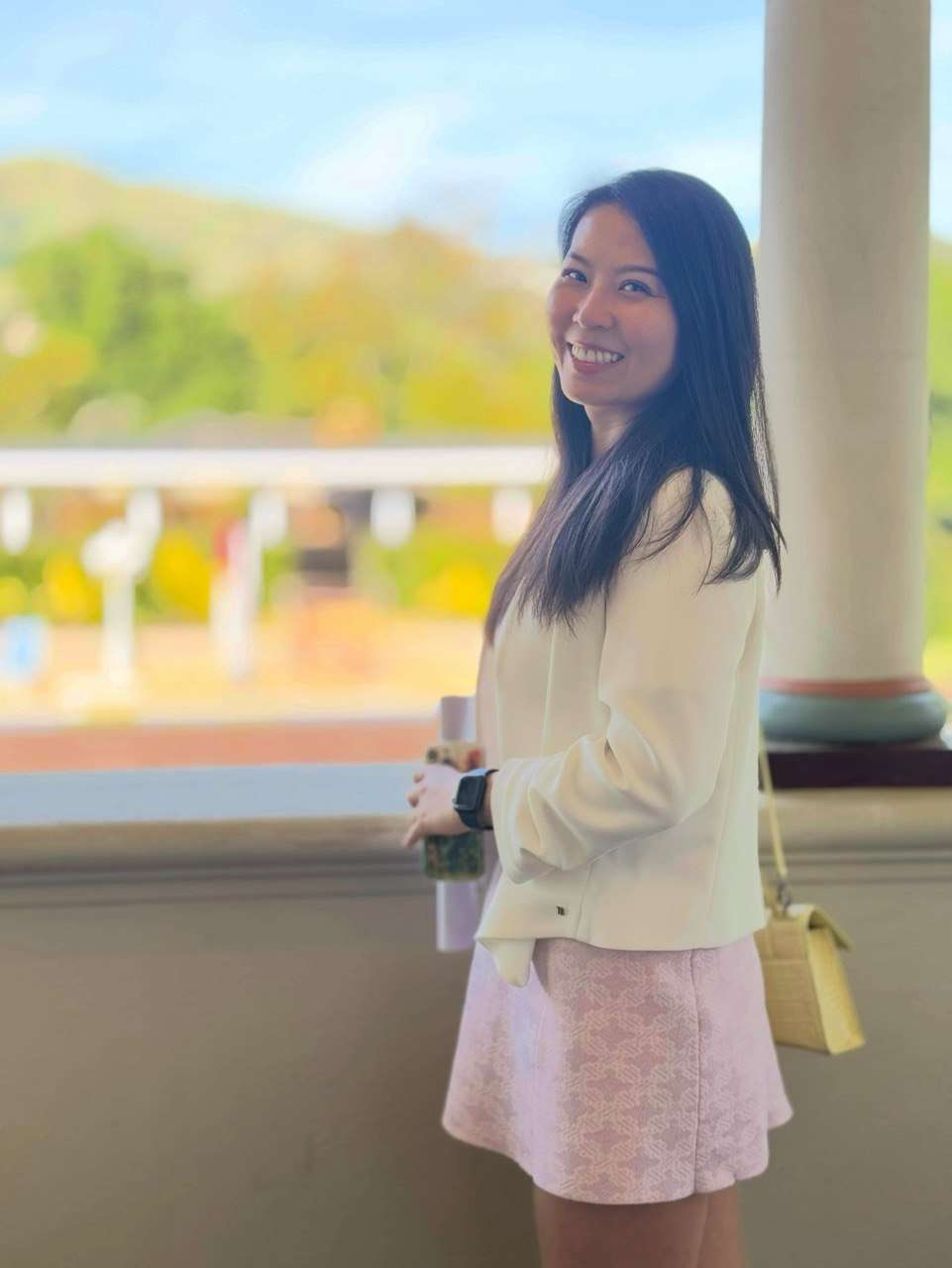
Today, Allison Zhang is becoming increasingly recognized not only as a business developer and investor, but as someone combining hospitality, design, market intelligence and historical preservation into a modern luxury experience platform.
Unlike many entrepreneurs entering hospitality through trends or speculative investing, Allison approached the industry through research, long term strategy and emotional experience design.
Before expanding AliStay, she spent extensive time studying the market itself, analyzing traveler expectations, design psychology, location demand and operational scalability.
“Most people underestimate how much psychology exists inside hospitality,” Allison explains. “People remember how spaces make them feel. A truly special property creates emotion, not just visual impressions.”
That philosophy became central to the restoration and redesign of the historical Spanish estate.
Rather than stripping away the home’s original identity in pursuit of ultra modern aesthetics, Allison focused on preserving its architectural character while carefully introducing modern luxury elements throughout both the interior and exterior spaces.
The result feels cinematic, sophisticated and deeply personal at the same time.
Guests frequently describe the estate less as temporary accommodation and more as an experience that feels emotionally immersive.
“There is a balance between preserving history and creating modern comfort,” Allison says. “I wanted guests to feel transported, but still experience warmth, functionality and luxury.”
Friends and colleagues close to the project often compare Allison’s approach more to creative direction or luxury brand development than conventional hospitality management.
That may be because Allison herself views hospitality differently from most operators.
“I never saw this business as simply renting properties,” she explains. “For me, it is about creating environments people genuinely remember. Every detail matters, from lighting and textures to emotional flow and how spaces interact with people.”
Her background in business development and strategic operations helped shape AliStay into something far more structured than a traditional hospitality company. Investor partnerships, operational systems, market research and design planning all became integrated into a long term growth strategy.
Today, investors increasingly approach Allison not simply to purchase or manage properties, but to help transform real estate into high level hospitality assets through strategic positioning, design direction and operational infrastructure.
“Every property has different potential,” Allison says. “The key is understanding how to unlock it without destroying its identity.”
That philosophy may explain why the Spanish historical estate has generated growing attention among visitors, entrepreneurs and luxury hospitality observers throughout Northern California.
Some visitors have privately described the estate as feeling like “a boutique European retreat hidden inside the Bay Area.” Others compare the atmosphere to luxury destinations typically associated with Tuscany, Southern Spain or old Hollywood estates.
The comparison to Filoli itself emerged naturally during conversations among guests and business professionals familiar with the property.
Of course, Allison approaches such comparisons carefully and respectfully.
“Filoli is an iconic and historically important property,” she says. “But I think what resonates with people is the emotional experience. There is something timeless about spaces that preserve character, beauty and atmosphere.”
That appreciation for timelessness appears increasingly relevant today, especially as many luxury consumers move away from purely transactional experiences in favor of environments that feel authentic and emotionally grounding.
At the same time, Allison’s business mindset remains highly modern and operationally disciplined.
Her understanding of systems, market behavior and scalability has allowed AliStay to grow steadily while maintaining a premium positioning. She combines hospitality instincts with startup style operational thinking, integrating technology, research and infrastructure into long term business development.
“Luxury today is not only appearance,” Allison explains. “It is consistency, emotional comfort, trust and attention to detail. Guests notice when something was thoughtfully created.”
In addition to developing AliStay, Allison Zhang has appeared at multiple prominent Bay Area business and networking events, including Foundation Capital’s inaugural Fintech AI Build Demo Day in San Francisco, hospitality industry events and entrepreneurial gatherings throughout Silicon Valley. She has also appeared on California LIVE Podcast, Real Estate Today and other media platforms discussing modern hospitality, entrepreneurship and business growth.
Despite the increasing visibility, Allison remains focused on refinement rather than rapid expansion.
“I believe strong brands are built patiently,” she says. “You cannot rush quality, atmosphere or trust.”
That mindset may ultimately be one of the reasons why AliStay continues attracting attention beyond traditional hospitality circles.
What Allison Zhang appears to be building is not merely a collection of luxury properties, but a carefully curated ecosystem of experience, design and emotional storytelling rooted in real estate.
And perhaps that is why some visitors leave her restored Spanish estate asking a surprisingly interesting question:
Could the Bay Area have quietly gained another hidden destination with a touch of Filoli magic?