Jalapeños Linked to Salmonella Outbreak Across 27 U.S. States
A hot pepper that millions of Americans add to burritos, tacos, salads, and sauces is now at the center of a major food safety investigation. Federal health officials have linked fresh jalapeño peppers from the Mexican state of Sinaloa to an outbreak of Salmonella Javiana. As of August 5, 2026, 345 illnesses had been reported across 27 states. Thirty-six people were hospitalized. No deaths were reported.
The story is sometimes incorrectly described as a “jalapeño virus,” but no virus is involved. Salmonella is a bacterium that can cause an intestinal infection. In this case, investigators traced the illnesses to a specific product, growing region, and distributor. The CDC and FDA reported that the affected peppers were grown in Sinaloa and distributed in the United States by Coast Citrus Distributors.
How Investigators Identified the Source
The first known illnesses began on June 19. The most recent case included in the published data began on July 20. Minnesota and Colorado reported the largest numbers of illnesses, but the outbreak reached much of the country.
During the epidemiologic investigation, patients were asked where and what they had eaten before their symptoms began. Of 197 people who provided detailed information, 184, or 93 percent, said they had eaten at Mexican-style restaurants. Chipotle Mexican Grill and QDOBA were mentioned particularly often.
Customer recollections alone are not enough to identify the source of an outbreak. Investigators compared the interviews with laboratory results and supply records. Traceback work led to fresh jalapeños grown in Sinaloa and distributed by Coast Citrus Distributors. The company then agreed to recall the products linked to the outbreak.
Chipotle and QDOBA stopped using the affected peppers. The CDC and FDA said that after the product was removed, the restaurants were not considered an ongoing source of risk in this outbreak. That distinction matters. The warning does not mean that every item sold by these chains is unsafe or that every jalapeño on the U.S. market is contaminated.
Which Peppers Are Being Recalled
The warning covers fresh jalapeños from Sinaloa distributed by Coast Citrus Distributors. According to the FDA, the product was sent primarily to restaurants and wholesale customers nationwide. Federal officials are still determining whether any affected lots may have reached grocery stores.
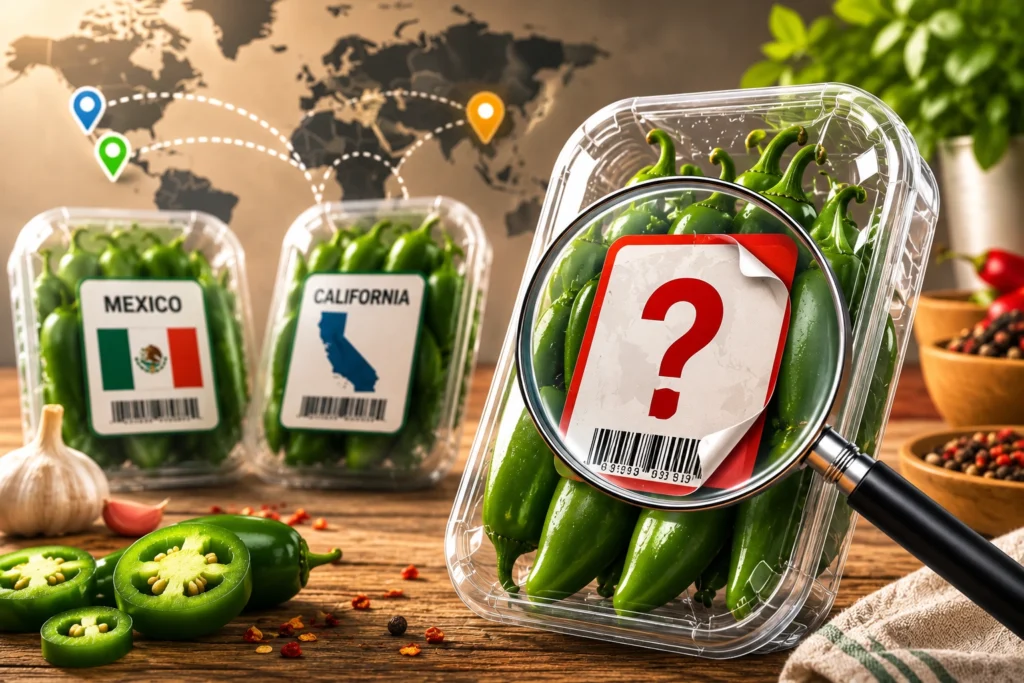
Consumers are advised to ask the seller or place of purchase about the source of recently purchased jalapeños. Peppers identified as recalled products should not be eaten. The same advice applies if the product was frozen. Freezing does not reliably destroy Salmonella.
If the supplier cannot be identified and the peppers may have come from the affected shipment, the FDA recommends discarding them rather than taking a chance. Surfaces, knives, cutting boards, containers, and refrigerator shelves that touched the peppers should be carefully cleaned and sanitized. This can help prevent cross-contamination of other food.
It is equally important to understand the limits of the warning. It does not automatically apply to every jalapeño from Mexico, canned peppers, or every product served by Chipotle and QDOBA. The investigation concerns a specific fresh-produce supply chain. That is why checking the source is more useful than avoiding all hot peppers.
Symptoms That Should Not Be Ignored
Most people infected with Salmonella experience diarrhea, fever, and stomach cramps. According to the CDC, symptoms generally begin between 6 hours and 6 days after the bacteria are swallowed. Most patients recover without specific treatment within 4 to 7 days.
The infection can become serious, however. Medical attention is especially important when a fever rises above 102 degrees Fahrenheit, diarrhea lasts more than three days without improving, stool contains blood, or vomiting makes it impossible to keep liquids down. Infrequent urination, a dry mouth and throat, and dizziness when standing may be signs of dehydration.
Children younger than five, adults 65 and older, and people with weakened immune systems face a greater risk of severe illness. These groups are more likely to develop complications or require hospitalization. Anyone who recently ate jalapeños and develops serious symptoms should contact a healthcare provider and mention the possible connection to the outbreak.
How Fresh Produce Can Carry Bacteria
Salmonella is often associated with eggs, poultry, and raw meat, but fresh vegetables can also carry the bacteria. Contamination may occur during growing, irrigation, harvesting, packing, transportation, or food preparation. Once bacteria reach the product, the danger cannot be identified by appearance. A contaminated pepper may look fresh and have a normal smell and taste.
In the kitchen, fresh vegetables should be kept separate from raw meat, while hands, utensils, and work surfaces should remain clean. If a potentially contaminated pepper is cut on a board and a salad is later prepared on the same surface, bacteria can move to other ingredients. That is why FDA guidance covers both disposal of the product and sanitizing everything it touched.
What Restaurant Customers and Shoppers Should Do
People who bought fresh jalapeños should ask the store where the peppers came from. If a retailer cannot confirm the source, consumers should monitor FDA updates. The investigation is ongoing, so the list of product recipients or the official advice may change. Restaurants and other businesses should review their inventory, stop selling or serving recalled peppers, and sanitize storage and preparation areas.
The main lesson is straightforward. Not every jalapeño is dangerous, but a warning about a specific shipment should not be ignored. Checking the source, discarding recalled products, and paying attention to symptoms can prevent additional illnesses. This information is especially important for families with young children, older relatives, and people with weakened immune systems.
Have you bought or eaten fresh jalapeños in recent weeks? Check the product’s source and share this information with anyone who regularly orders food made with fresh hot peppers.