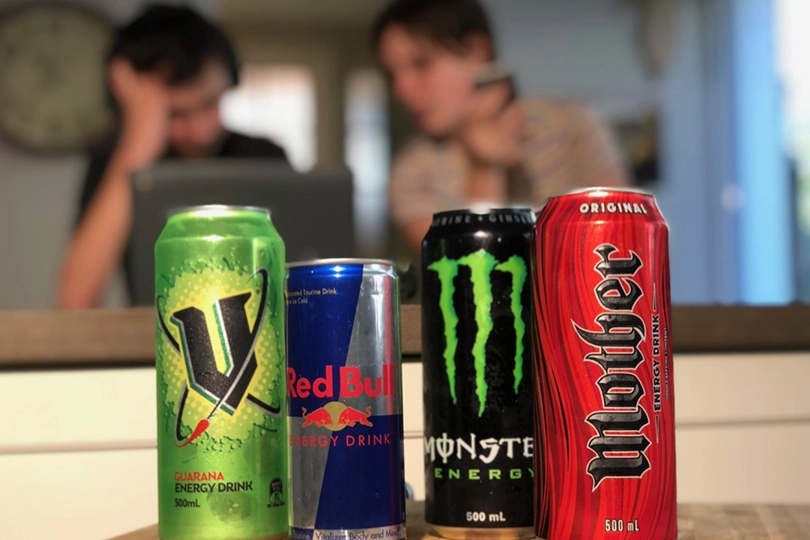
An energy drink can quickly chase away drowsiness, sharpen attention, and create a sudden sense of strength. That is why many people drink one in the morning, at work, before a workout, or while driving. But this effect does not mean that the body has actually received new energy. In most cases, caffeine only suppresses the feeling of fatigue for a while. The need for rest does not disappear.
One can may not cause serious problems for a healthy adult. But four cans in a single day can deliver a very high dose of caffeine. The exact amount depends on the brand, the size of the container, and the drink’s ingredients. One can may contain a relatively small amount of caffeine, while another may contain a powerful dose. That is why counting cans is not enough. You need to check how many milligrams of caffeine are in each serving and in the entire container.
The U.S. Food and Drug Administration says that, for most healthy adults, 400 mg of caffeine per day is not generally associated with negative effects. But this is not a recommended daily target, and it does not guarantee safety for everyone. Sensitivity depends on body weight, age, heart health, medications, metabolism, and a person’s usual caffeine intake. Some people feel sick after just one can or one cup of strong coffee. According to the FDA, the caffeine content of energy drinks varies widely. A 16 fluid ounce drink may contain anywhere from 54 to 328 mg of caffeine.
This means that four large cans could deliver anywhere from 216 to 1,312 mg of caffeine. The upper end of that range is especially concerning. The FDA reports that toxic effects, including seizures, may occur when about 1,200 mg of caffeine is consumed quickly. This does not mean that a smaller amount is always safe. Unpleasant symptoms can appear much sooner, especially when several cans are consumed within a short period.
Caffeine stimulates the nervous system and temporarily blocks adenosine, a natural chemical that helps the body recognize fatigue and prepare for sleep. A person may feel more alert, but the heart may begin beating faster, blood pressure may rise, and the nervous system may become overstimulated. Instead of mental clarity, the person may experience trembling, anxiety, irritability, headaches, and a powerful sense of inner tension.
The FDA lists increased heart rate, heart palpitations, high blood pressure, insomnia, anxiety, jitters, nausea, stomach problems, and headaches among the common signs of too much caffeine. Sometimes people mistake these symptoms for ordinary stress and open another can to keep working. That can make the situation worse.
Changes in heart rhythm deserve special attention. A pounding, skipping, fluttering, or chaotic heartbeat should not be ignored. The risk is greater for people with heart disease, high blood pressure, or a history of arrhythmia. However, a serious reaction can also happen to someone who previously believed they were completely healthy.
The danger of four cans also depends on how quickly they are consumed. The same amount of caffeine may affect the body differently when spread throughout the day compared with drinking several energy drinks one after another. A large dose consumed quickly creates a sharper strain on the heart and nervous system. Drinking energy drinks on an empty stomach, before an intense workout, in hot weather, or while dehydrated can be especially risky.
An energy drink is not a substitute for water. Caffeine intake may be accompanied by sweating, faster breathing, stomach problems, and other conditions that can contribute to fluid loss. When someone uses an energy drink during intense exercise, they may feel capable of continuing even though their body already needs rest. Energy drinks and sports drinks are not the same product. Sports drinks are mainly designed to replace fluids and electrolytes. Energy drinks contain stimulants.
Some people choose sugar free versions and assume they are nearly harmless. Removing sugar does reduce the number of calories, but it does not remove the effects of caffeine. Heart palpitations, anxiety, insomnia, and abnormal heart rhythms can still occur after a zero calorie drink. Regular versions create another concern. Some large cans contain very high amounts of added sugar, sometimes more than the recommended amount for an entire day, according to the National Center for Complementary and Integrative Health.
The energy drink itself is not the only source that matters. Caffeine is also found in coffee, tea, cola, chocolate, certain dietary supplements, protein bars, headache medications, and other medicines sold without a prescription. If someone drinks coffee in the morning, several energy drinks during the day, and then takes a medication containing caffeine in the evening, the total dose may be much higher than expected.
Additional herbal ingredients also deserve attention. Guarana, for example, is another source of caffeine. A shopper may see it on the ingredient list without realizing that it adds to the drink’s total stimulant load. Taurine, ginseng, and other additives do not turn an energy drink into a healthy product, and they do not cancel the effects of caffeine.
Mixing energy drinks with alcohol is especially dangerous. Caffeine does not make a person sober and does not help the body remove alcohol faster. It may only reduce the person’s subjective feeling of intoxication. Someone may feel more alert even though coordination, reaction time, and judgment remain impaired. This can increase the risk of drinking more alcohol, getting behind the wheel, or underestimating how intoxicated they really are.
The situation can also become unpredictable when medications are involved. Some medicines may increase heart rate or anxiety, while others can affect how quickly the body removes caffeine. People taking medication for blood pressure, heart conditions, colds, asthma, attention deficit hyperactivity disorder, or mental health conditions should discuss energy drinks with a doctor or pharmacist. The same advice applies to pregnant or breastfeeding women and people with chronic health conditions.
Children and teenagers should avoid energy drinks. Their cardiovascular and nervous systems are still developing, and their lower body weight may intensify the effects of caffeine. The Centers for Disease Control and Prevention reports that the American Academy of Pediatrics recommends that adolescents do not consume energy drinks. Possible consequences include increased heart rate, high blood pressure, anxiety, dehydration, and sleep problems.
Lack of sleep can create a vicious cycle. A person drinks an energy drink to work or study longer, then struggles to fall asleep. The next morning, they feel tired again and open another can. Over time, concentrating without caffeine may become difficult. Suddenly stopping a heavy daily caffeine habit may also cause headaches, irritability, weakness, and sleepiness.
If energy drinks have become a daily habit, it may be easier to reduce them gradually. Start by calculating all the caffeine consumed during the day, including coffee, tea, and medications. Then replace one can with water, a caffeine free drink, or a regular meal. Sleep, balanced meals, movement, and proper hydration do not create the same instant jolt, but they support real energy without placing the body under sudden stimulation.
If mild trembling, anxiety, or minor heart palpitations appear, stop consuming caffeine, rest, and monitor the symptoms. Do not try to counter the reaction with alcohol, medication, or an intense workout. If the symptoms continue or become worse, contact a medical professional.
Severe chest pain, serious shortness of breath, fainting, confusion, seizures, or a very fast and irregular heartbeat require immediate medical attention. In the United States, call 911. If caffeine overdose is suspected, Poison Control can also be reached at 1 (800) 222-1222. The service is available 24 hours a day. The National Capital Poison Center warns that severe caffeine poisoning may cause dangerous heart rhythm problems, electrolyte abnormalities, muscle damage, kidney injury, and seizures.
An energy drink may make someone feel more alert for a short time, but it cannot replace sleep, restore the body, or erase exhaustion. Four cans a day can quietly turn an ordinary beverage into a source of dangerously high caffeine intake. Sometimes the best way to regain energy is not to open another can, but to answer one honest question: Why is the body so tired?