California is entering a new phase of the artificial intelligence boom. This time, the focus is not on what AI can do, but on something much more physical: how much electricity and water the enormous data centers behind it require.
On September 21, Governor Gavin Newsom signed seven bills establishing new requirements for data centers across California. The package focuses on electricity, water, infrastructure costs, land use and disclosure requirements for new projects.
The timing is significant. AI systems depend on massive computing infrastructure, and the rapid expansion of data centers is creating new pressure on electrical grids and water supplies in several parts of the United States.
California’s new approach is based on a relatively simple principle: communities should know what a proposed data center will require before the project moves forward.
One of the biggest issues is electricity.
Large data centers can consume enormous amounts of power. In some cases, utilities may need to build new substations, transmission equipment or other infrastructure to serve them.
Under the newly signed legislation, data centers will be expected to cover costs associated with infrastructure upgrades needed to serve their facilities rather than shifting those expenses to existing customers. The package also includes protections intended to prevent those costs from being transferred to low income electricity customers.
The laws also address where additional electricity will come from.
California says data centers must comply with state energy procurement requirements, bring additional clean energy supply onto the grid and pay for necessary upgrades associated with their demand.
Water is another major concern.
Data centers can use water for cooling, although consumption varies greatly depending on the technology, climate and design of a particular facility.
Under the new California requirements, proposed projects will have to provide local governments and water suppliers with information about expected water use, available supplies, efficiency measures and drought planning.
If infrastructure upgrades are required to provide that water, the data center would be responsible for the associated costs.
The package also changes how some projects are treated under environmental review.
Data centers will not automatically qualify for broad environmental exemptions. Projects seeking streamlined treatment will have to demonstrate compliance with state standards involving electricity, water and fuel consumption and show that their development will not shift costs onto existing ratepayers.
Seven bills make up the package: AB 1577, AB 2383, AB 2469, AB 2619, SB 886, SB 887 and SB 1168. Together they create new reporting, utility, water and environmental requirements for the industry.
Supporters say the measures could allow California to continue expanding its technology sector while making companies responsible for more of the infrastructure their facilities require. Consumer advocates also argue that existing utility customers should not have to subsidize the enormous power demands of new data centers.
The broader question is becoming increasingly important as artificial intelligence expands.
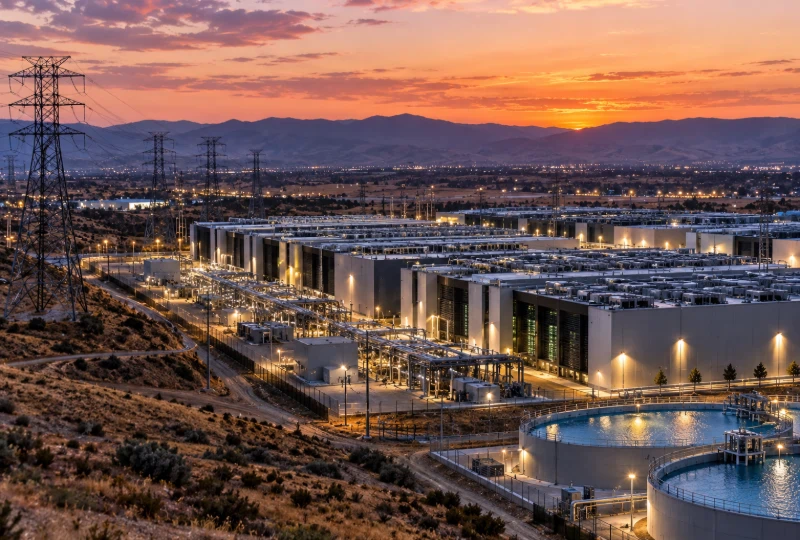
AI may feel like software living somewhere in the cloud, but the cloud has a very real physical footprint. Behind every chatbot, image generator and large AI model are buildings filled with servers, cooling equipment, electrical connections and networking hardware.
California’s new laws are an attempt to make that footprint more visible.
The AI revolution may be digital, but the electricity, water and infrastructure behind it are very real. And as data centers become larger, the debate over who pays for that growth is likely to become just as important as the technology itself.
If you know someone following the rapid growth of AI, share this story with them. 🤖